A start to the bodywork repairs

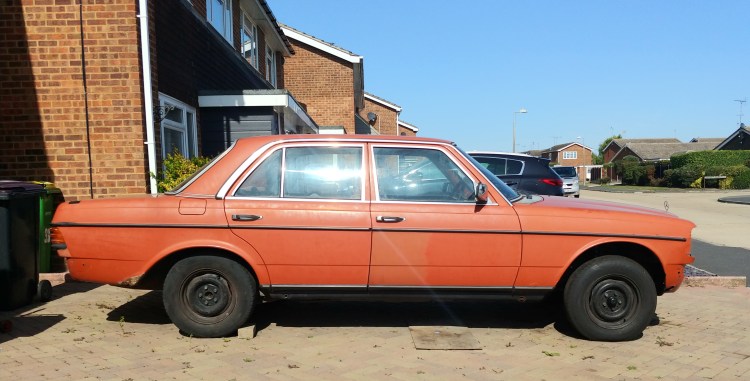
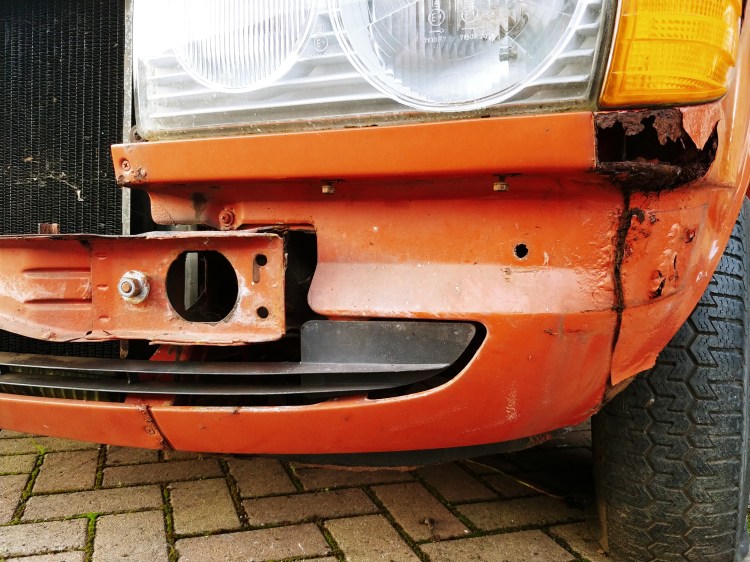
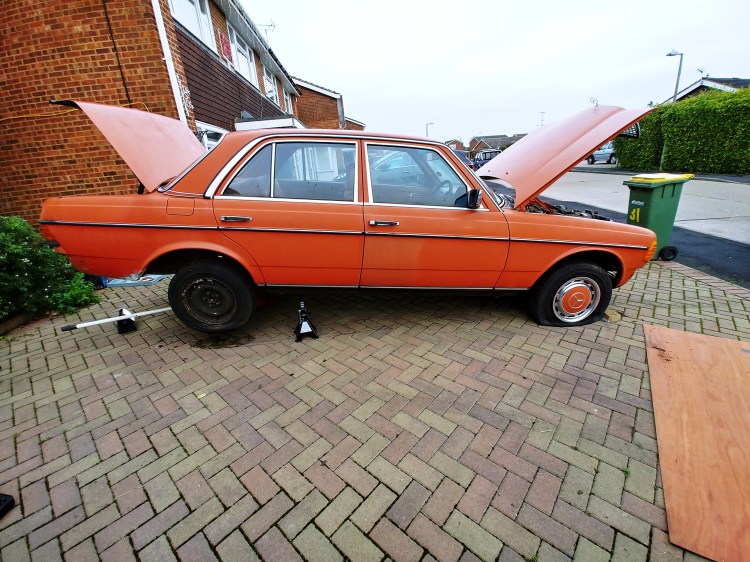
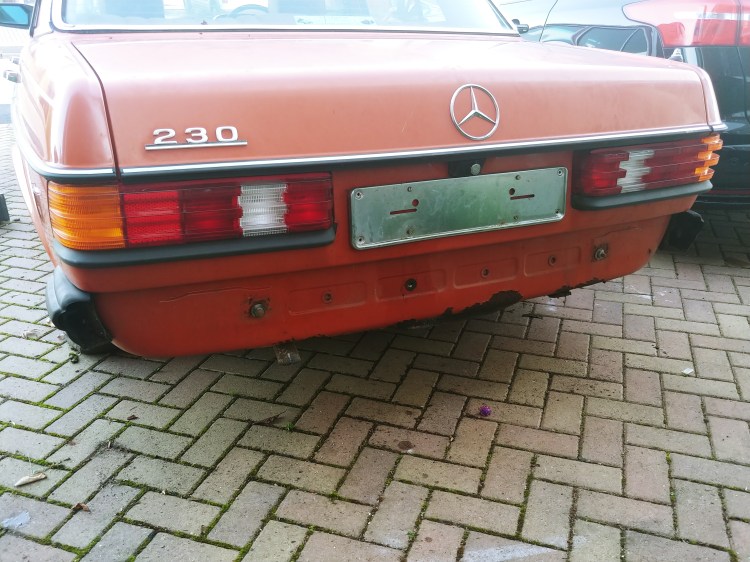
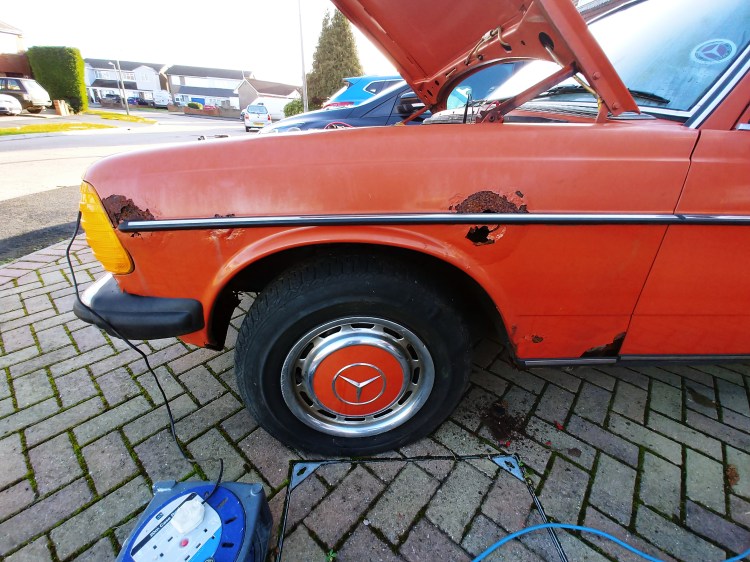
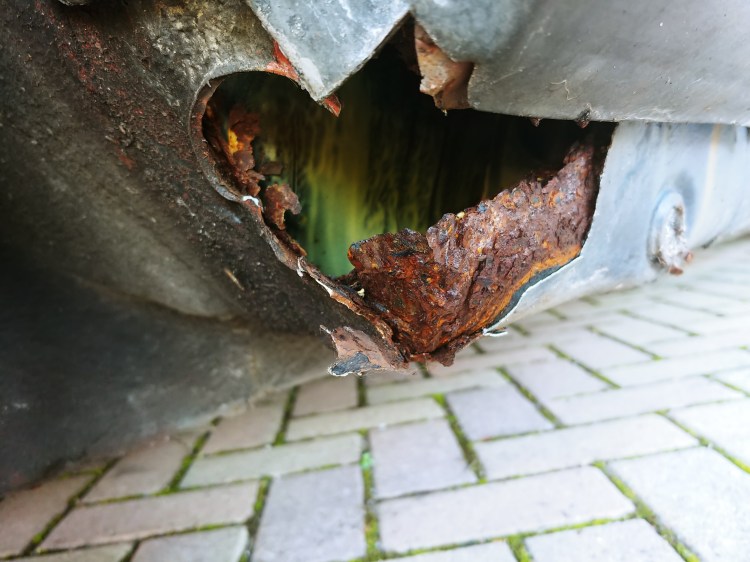
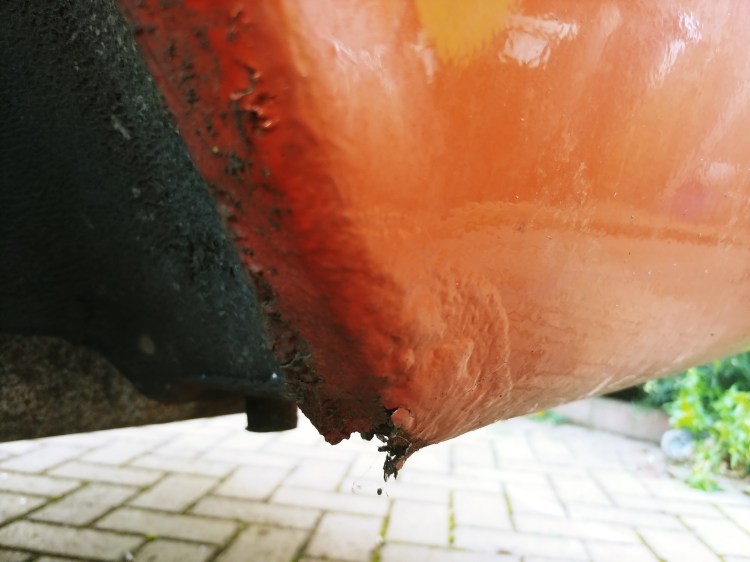
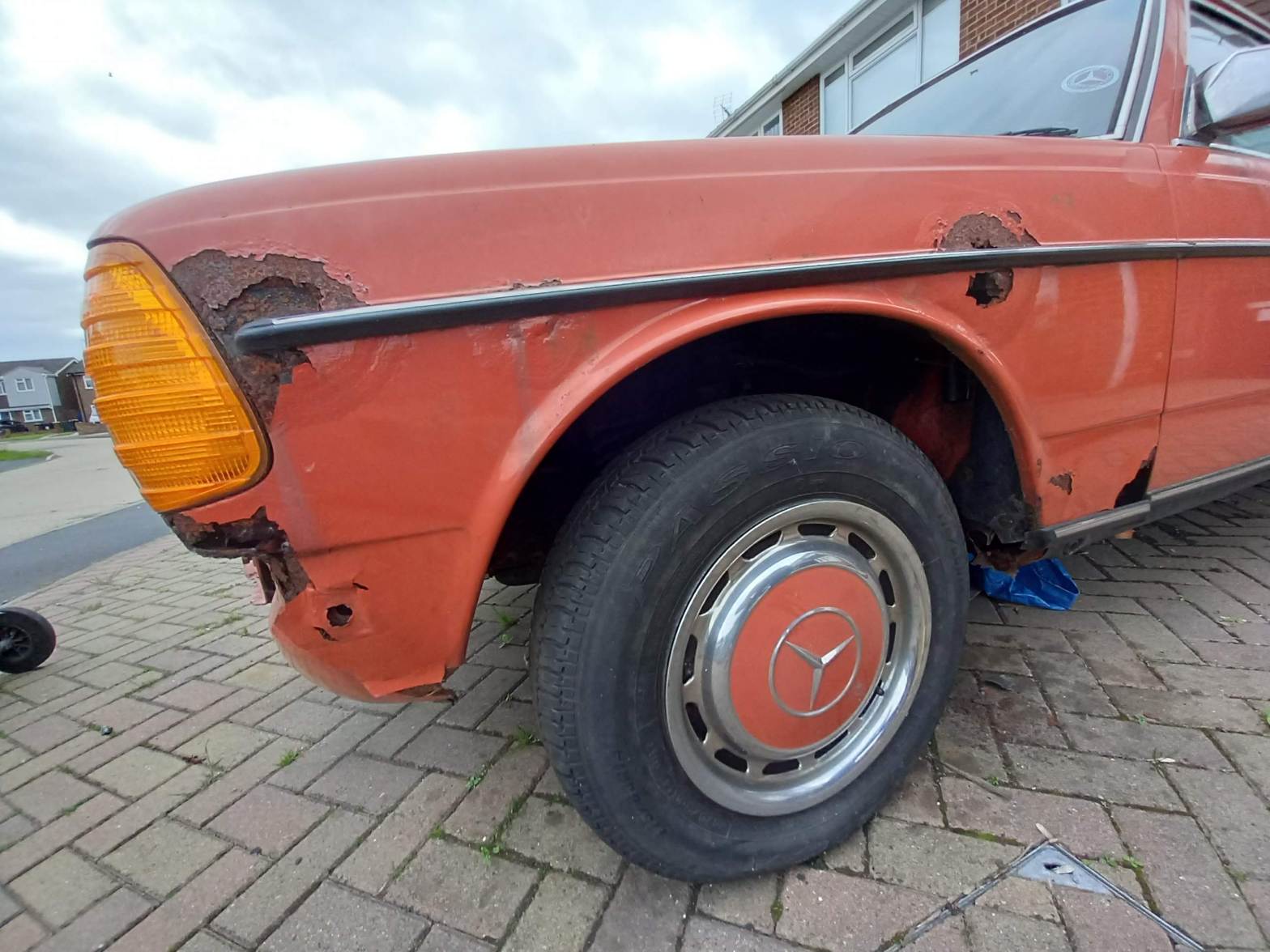
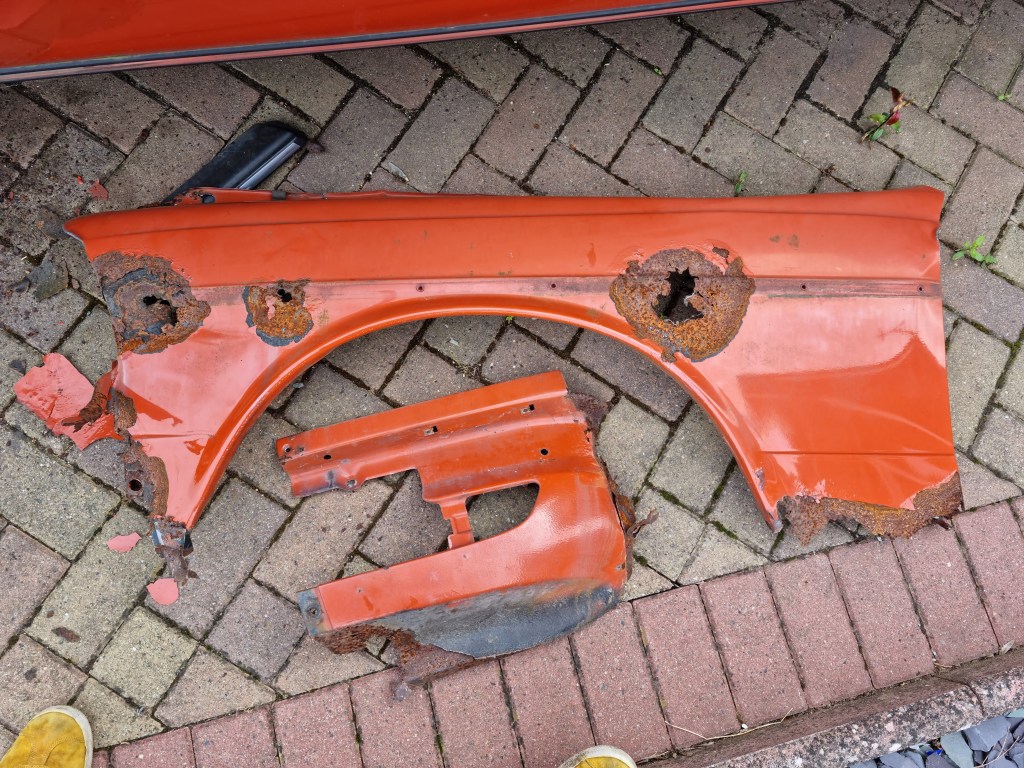
There are more than a few spots of rust on this car that need to be fixed, but by far the worst panel on the whole car is the passenger side front wing with rust holes big enough to get a fist through and mostly held together by the paint.
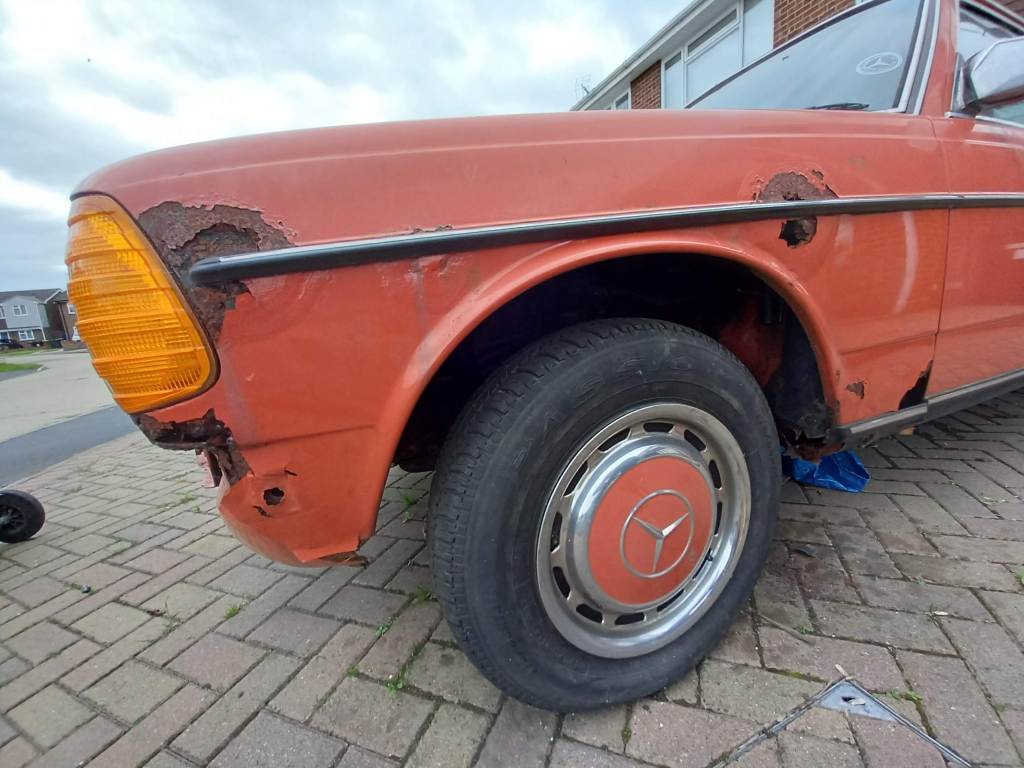
There are a few options for replacement wings. Mercedes Benz still hold original parts in stock, but one wing for a W123 is £350, ouch!

Pattern parts are available for much less, somewhere around £100 to £150. I did a lot of research into these and it seems that quality can vary greatly. All are made from thinner metal than the original panels and the fit is not as good as a genuine part so the panels require some fettling to fit properly.

The third option is to find and original wing in good condition from a car that is being broken. This is the route I decided to go down, but they are hardly in plentiful supply. It took me year of searching for a wing in good condition at a reasonable price.

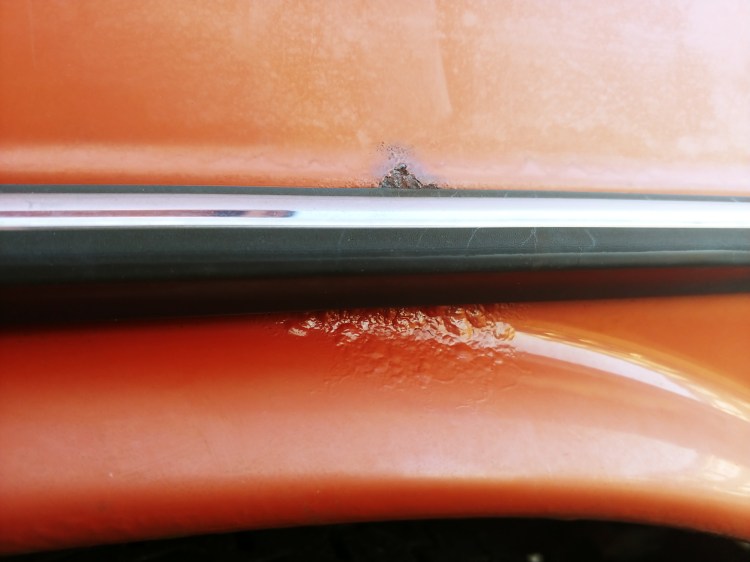
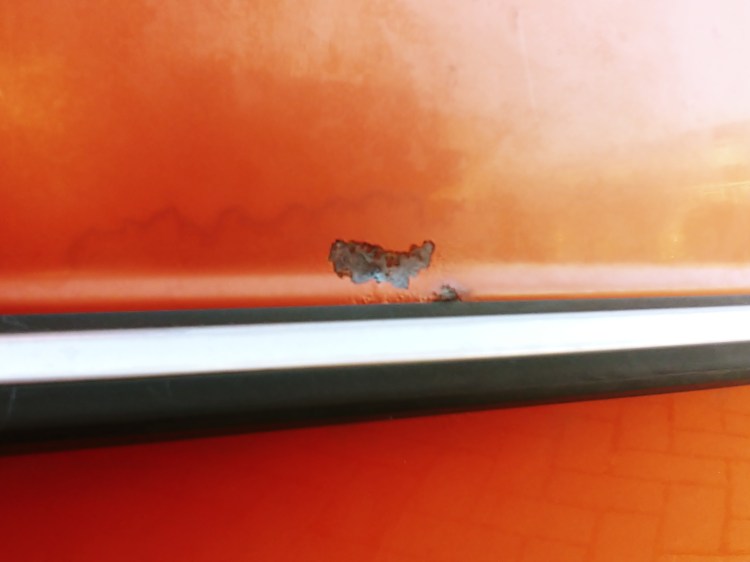
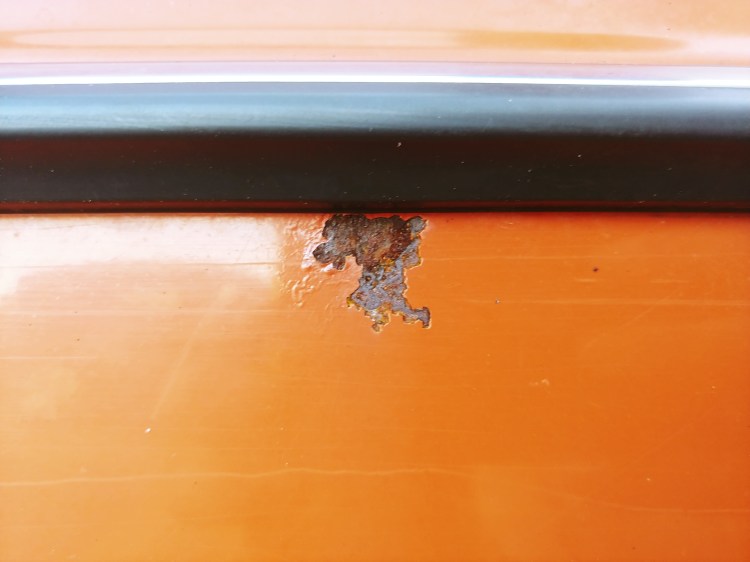
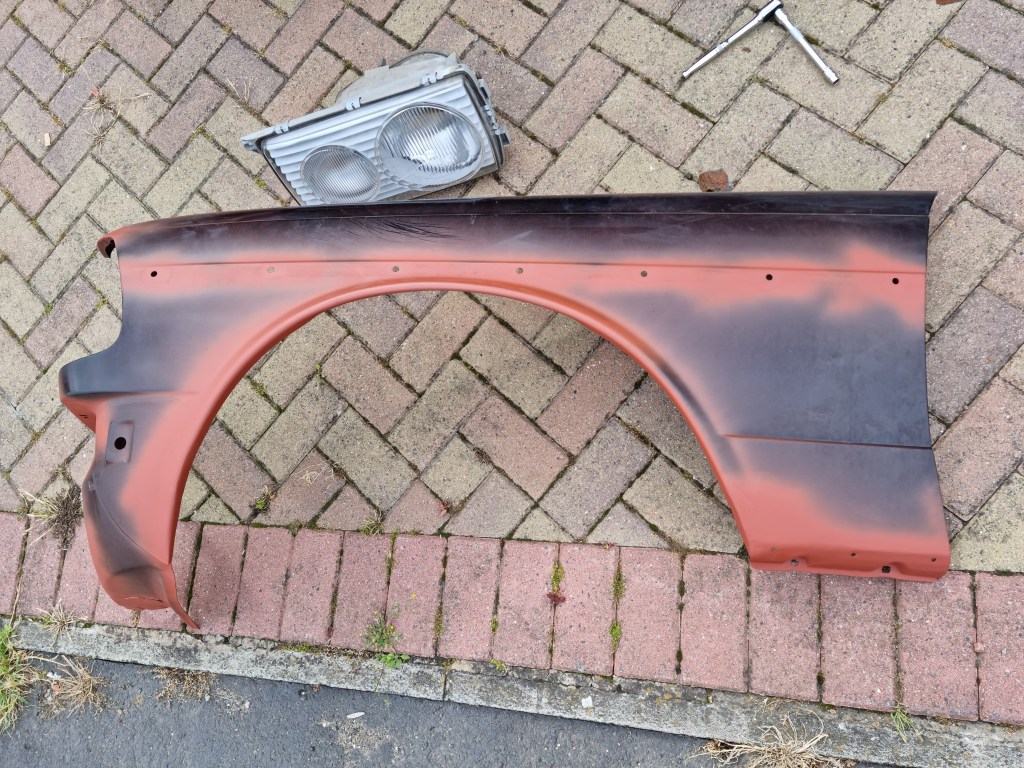
This is the wing I eventually found, it was in pretty good condition but still had some minor rust spots, most of which looked like it would just be surface rust which could be ground back.
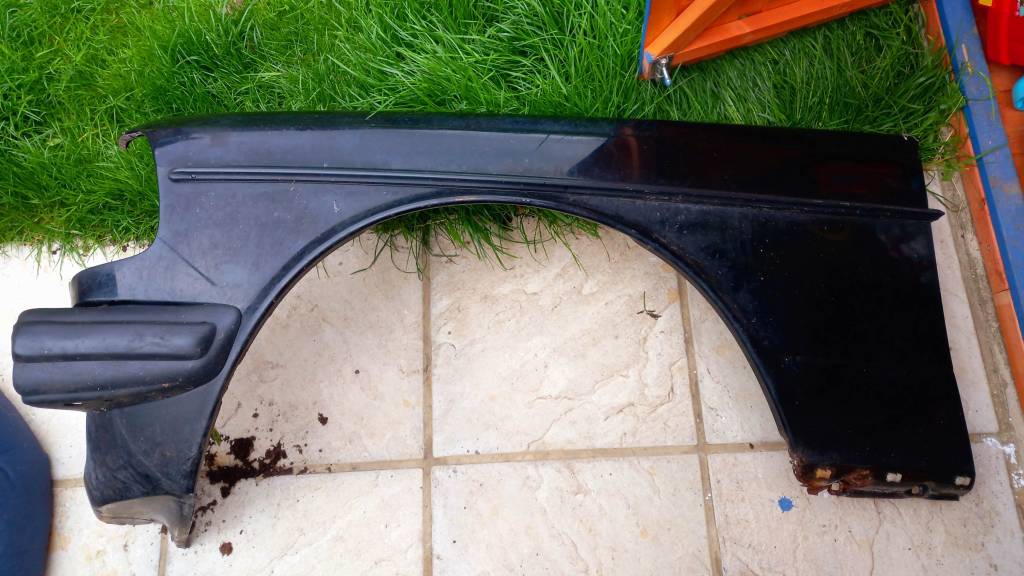
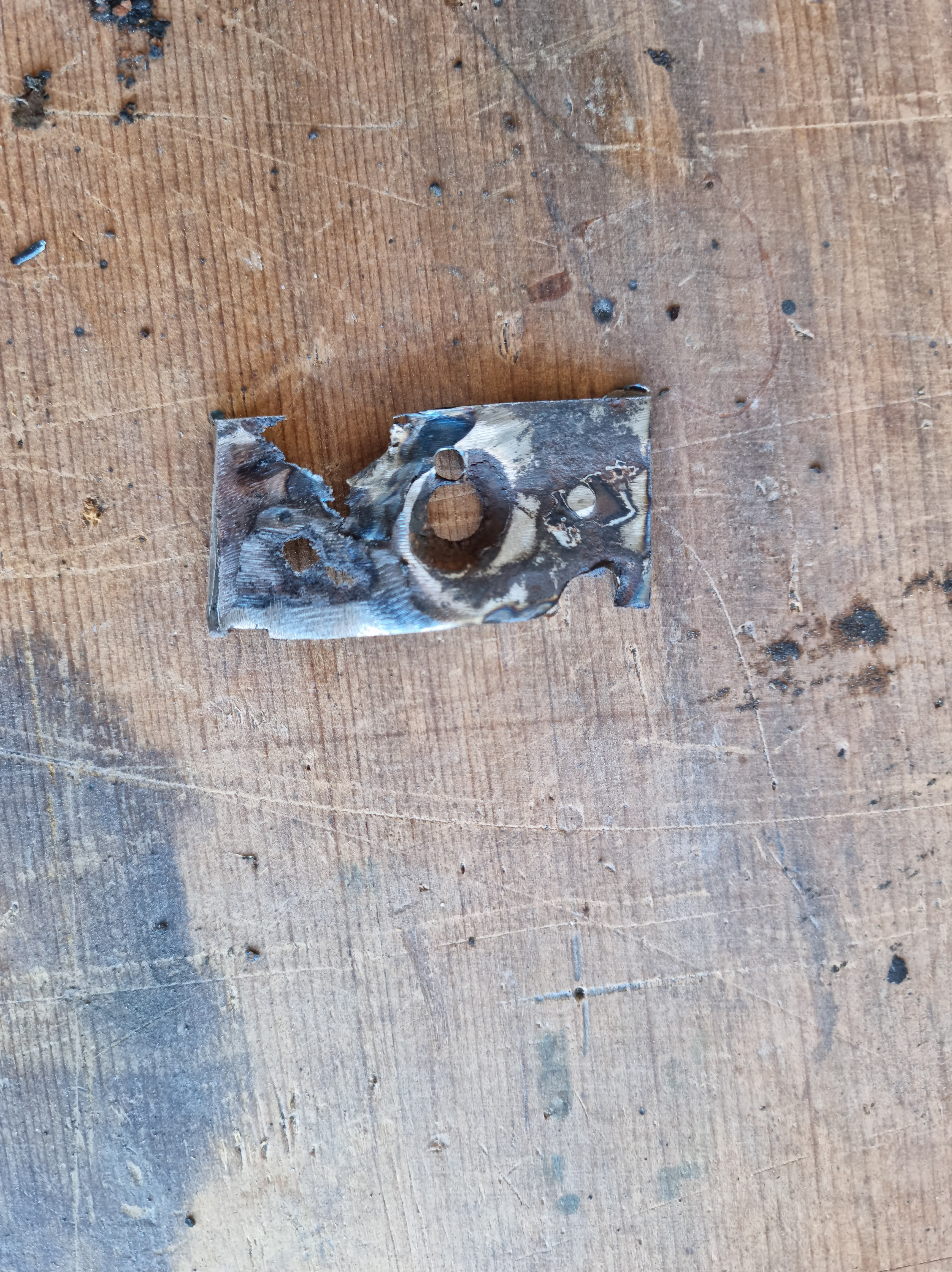
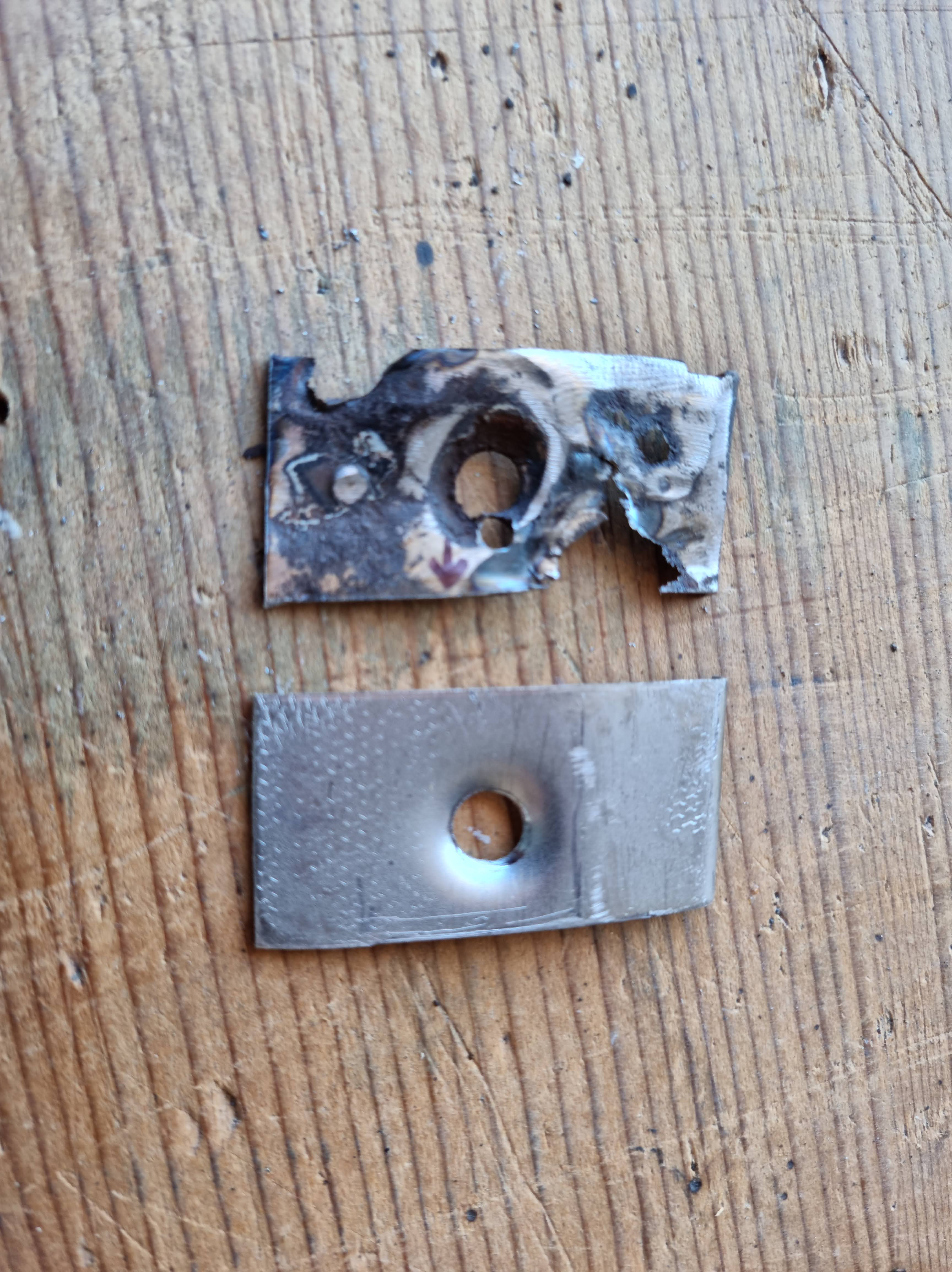
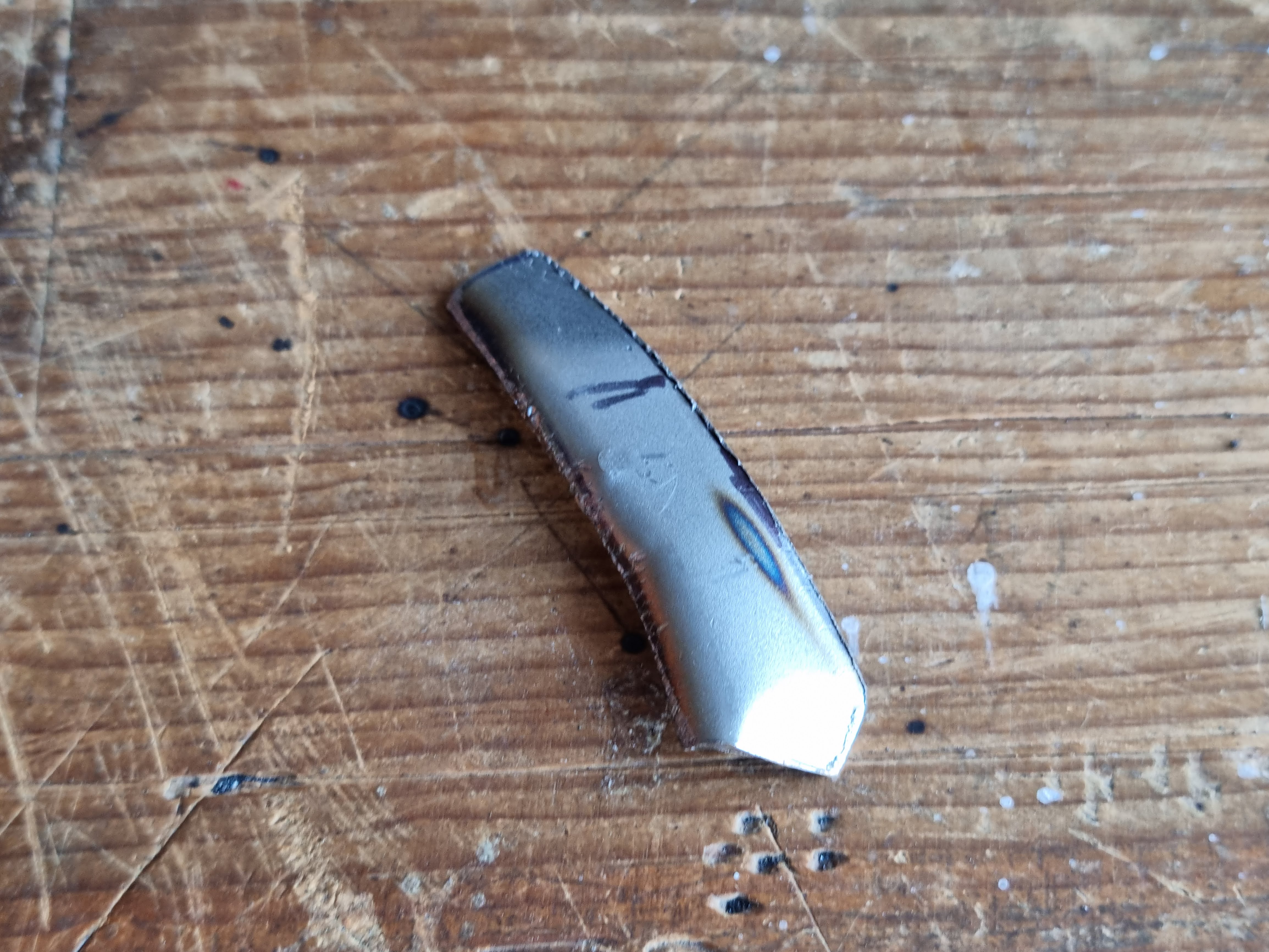
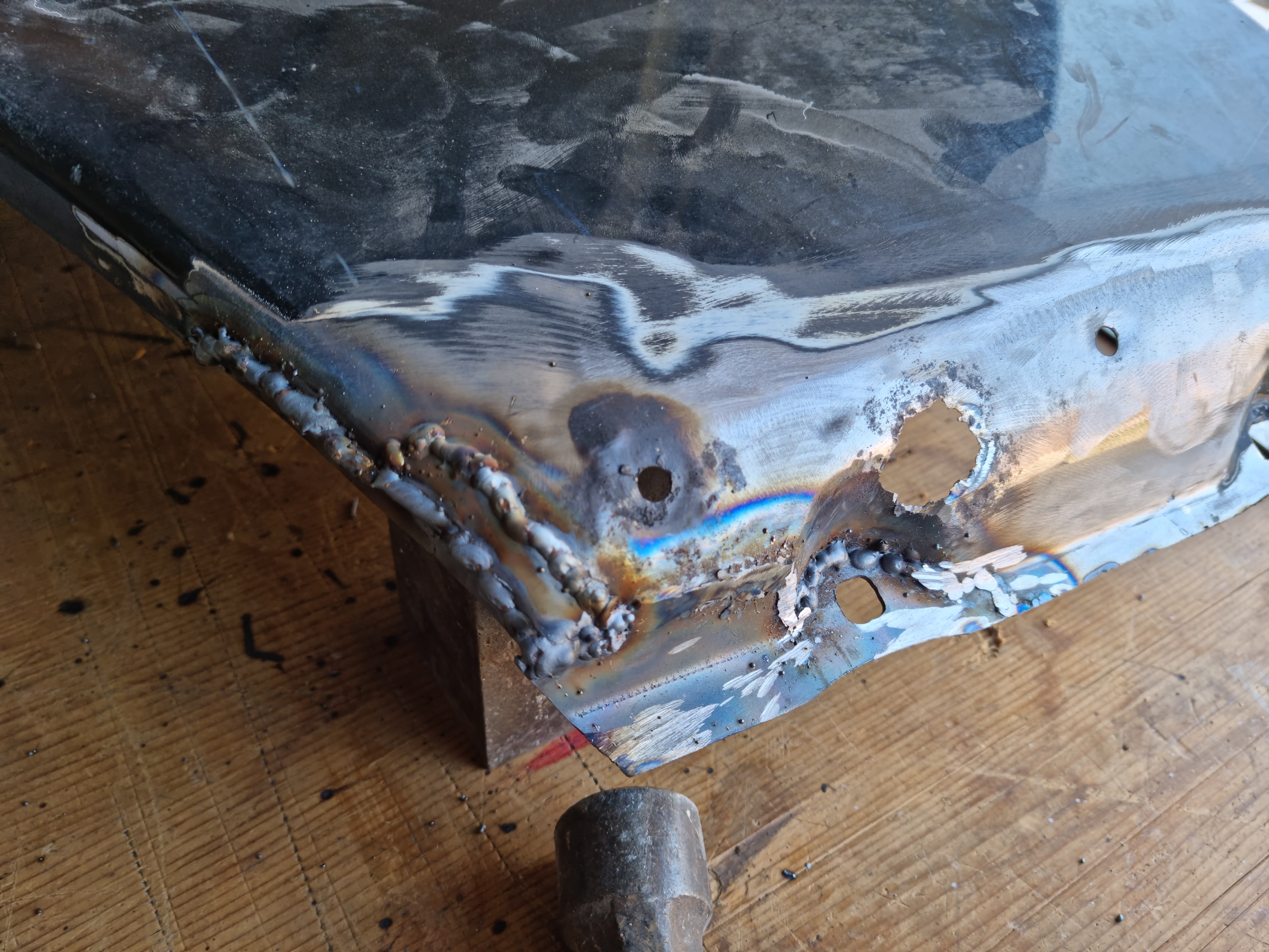
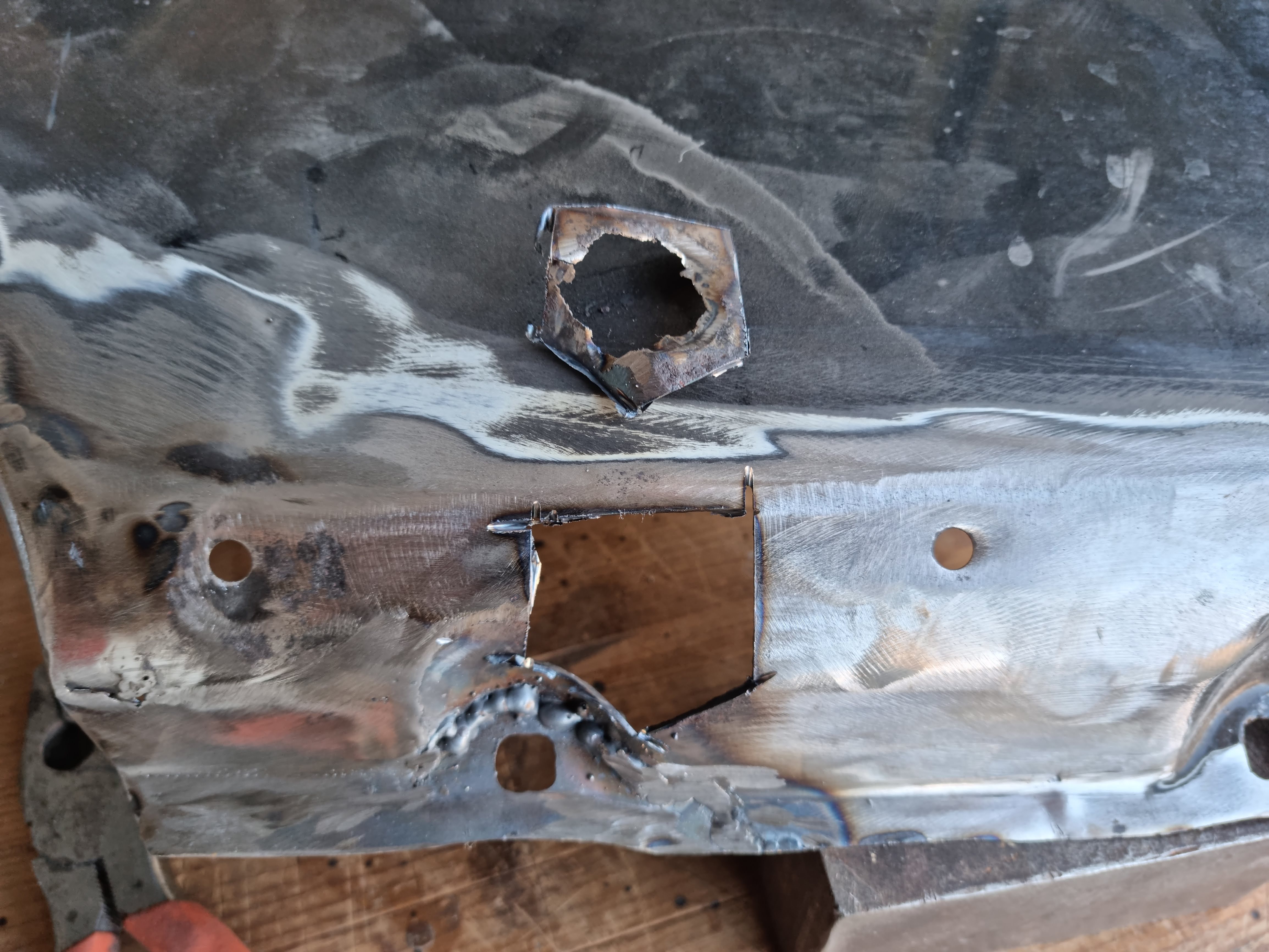
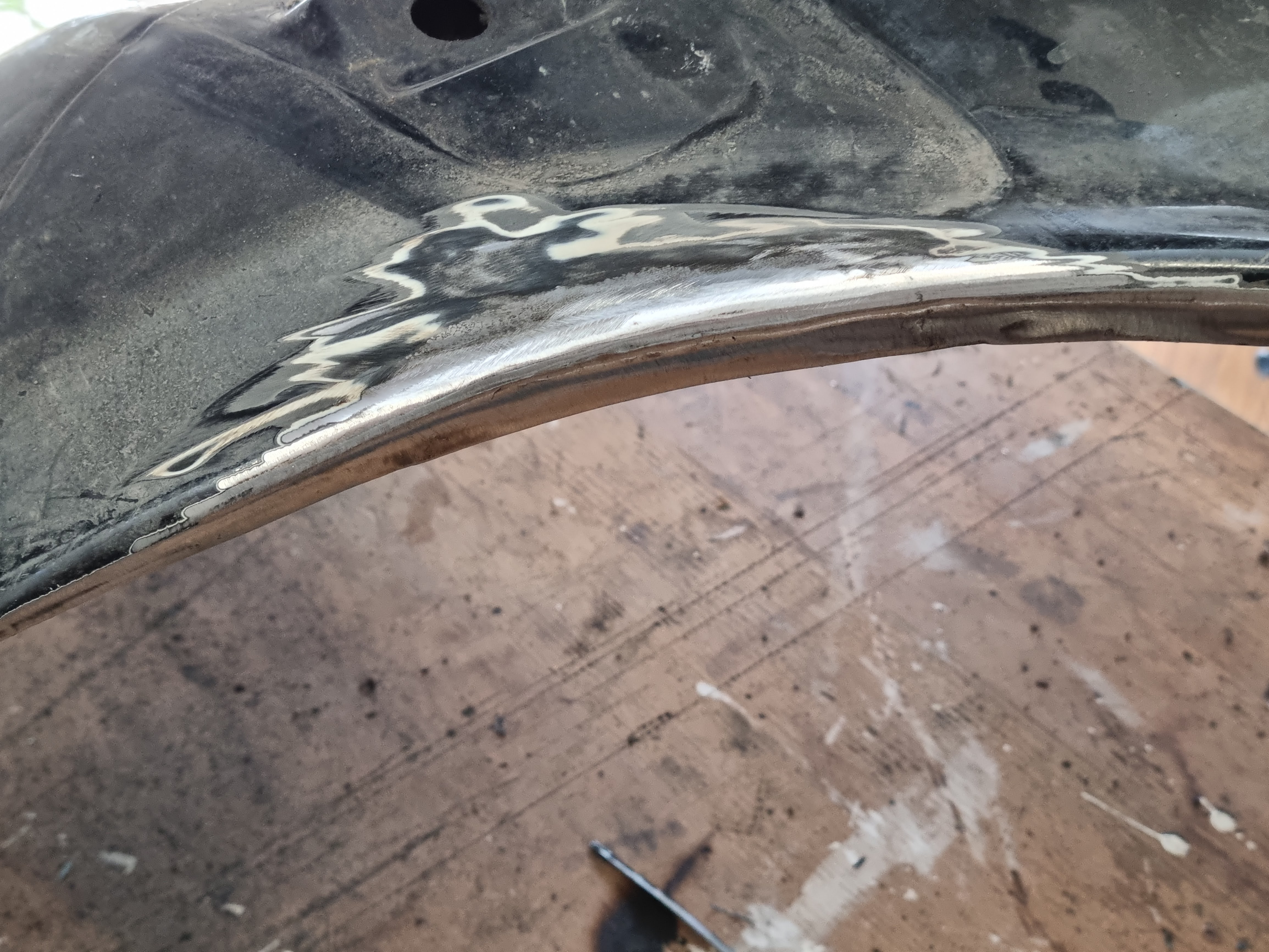
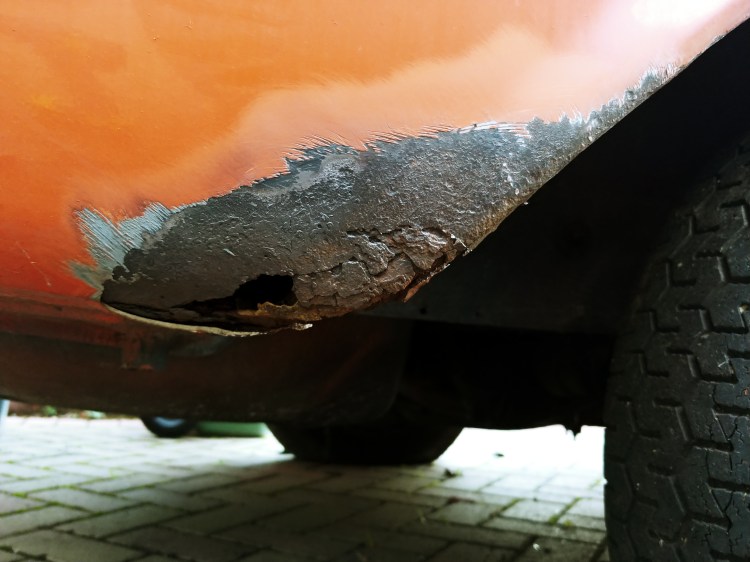
There were three areas of rust that were beyond saving, the bottom rear end of the arch, the front valance fixing and a small section of the arch return behind the bumper. All these areas needed to be cut back to good metal and new metal welded in.
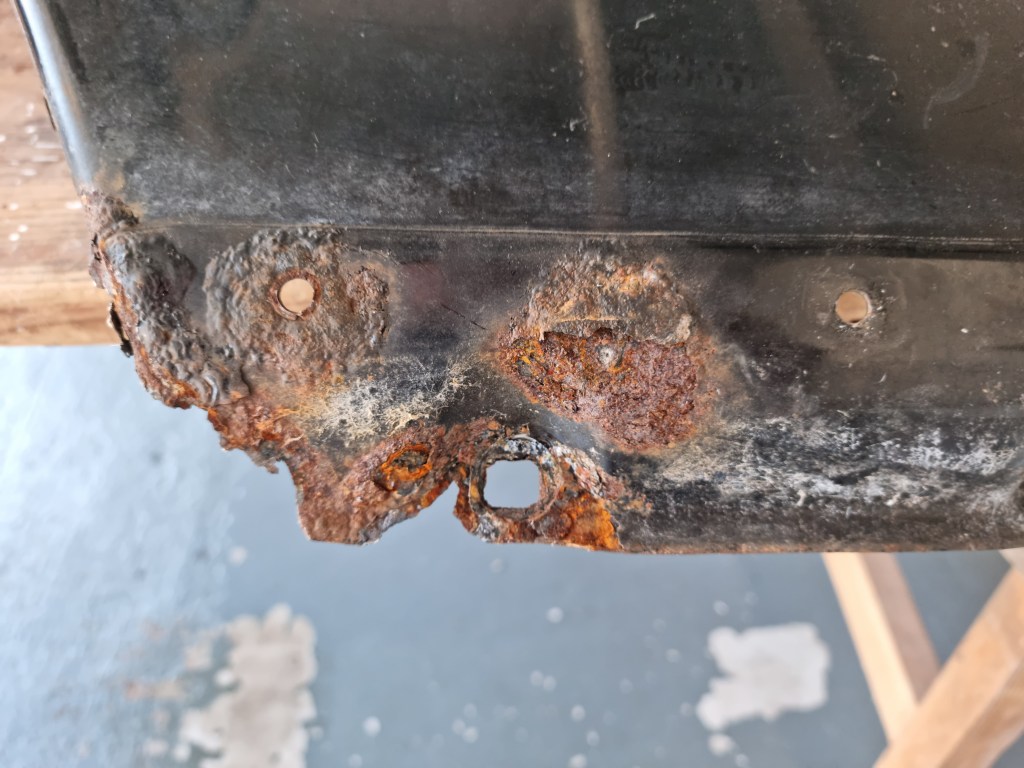
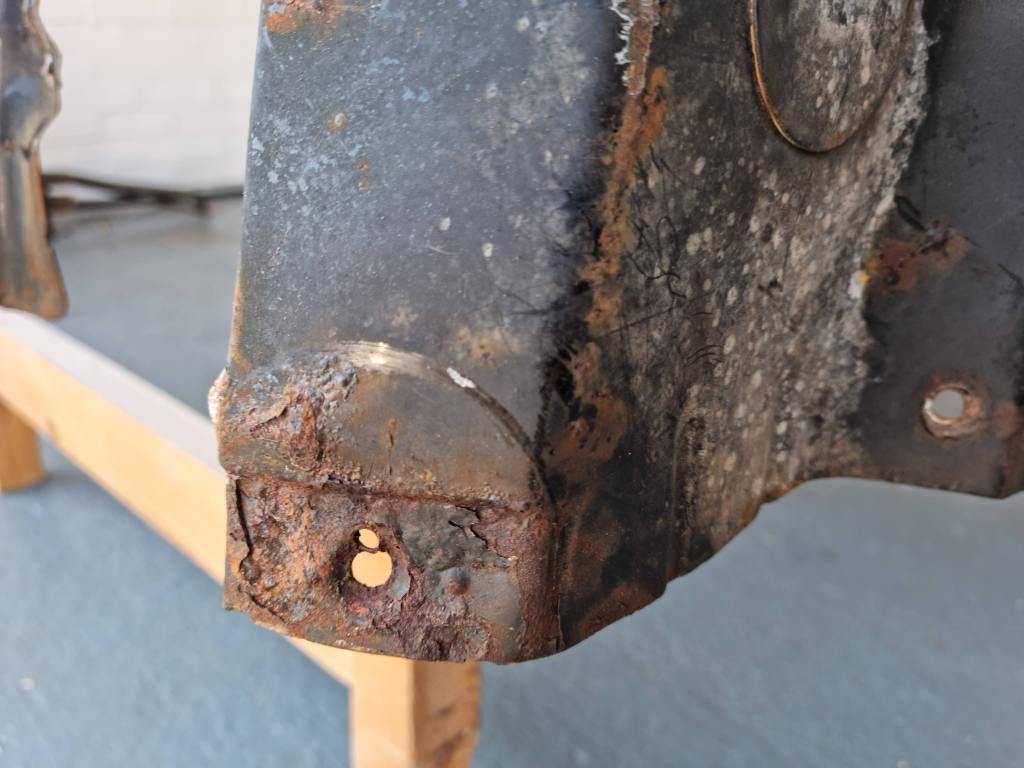
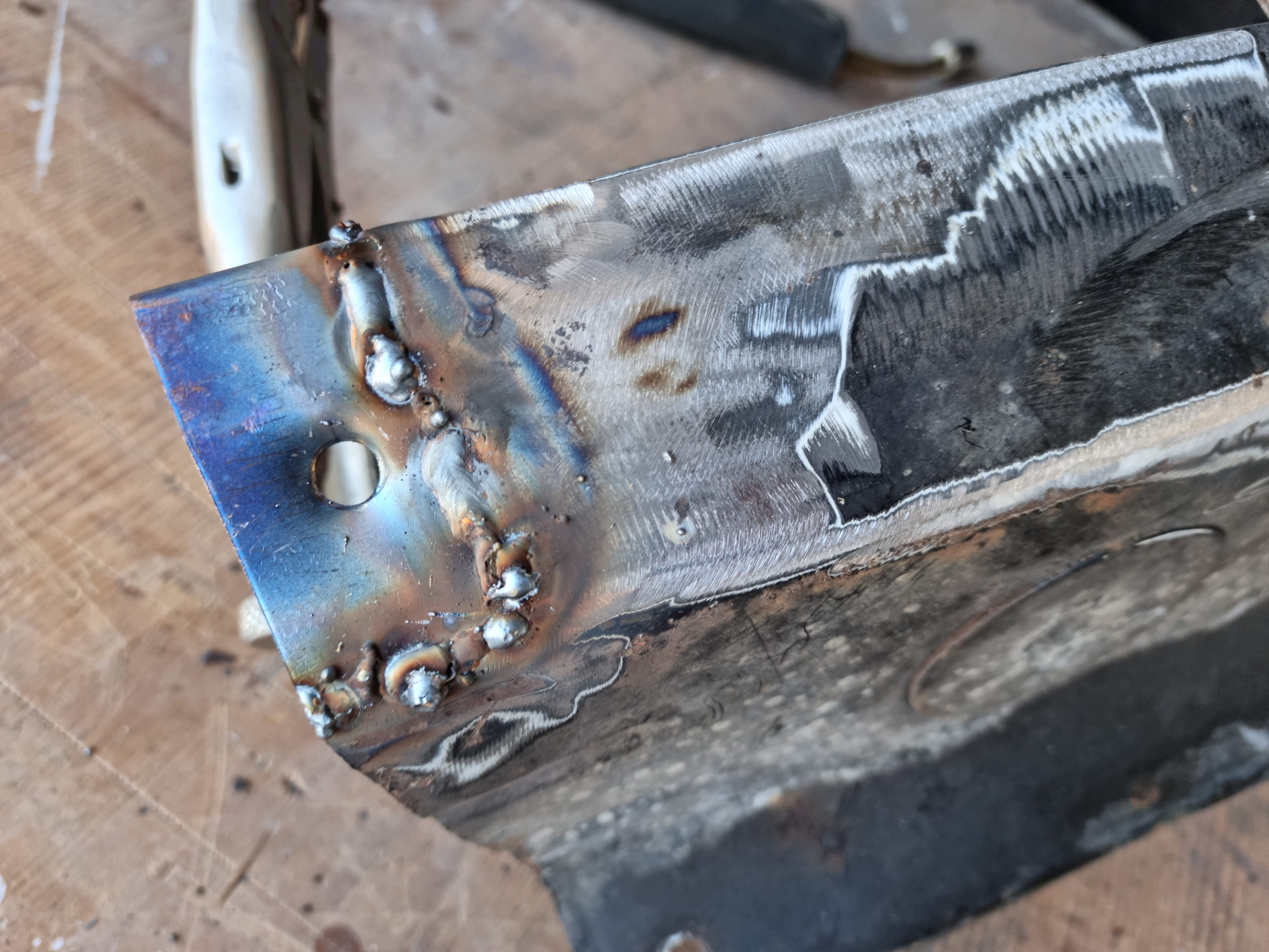
This was my first time at welding such thin sheet steel and making up repair panels so I started with the valance fixing point as this was a fairly simple piece. My welding might not bee the neatest and I admit I blew a few holes which I had to weld back up again, but once ground back it looked pretty good.
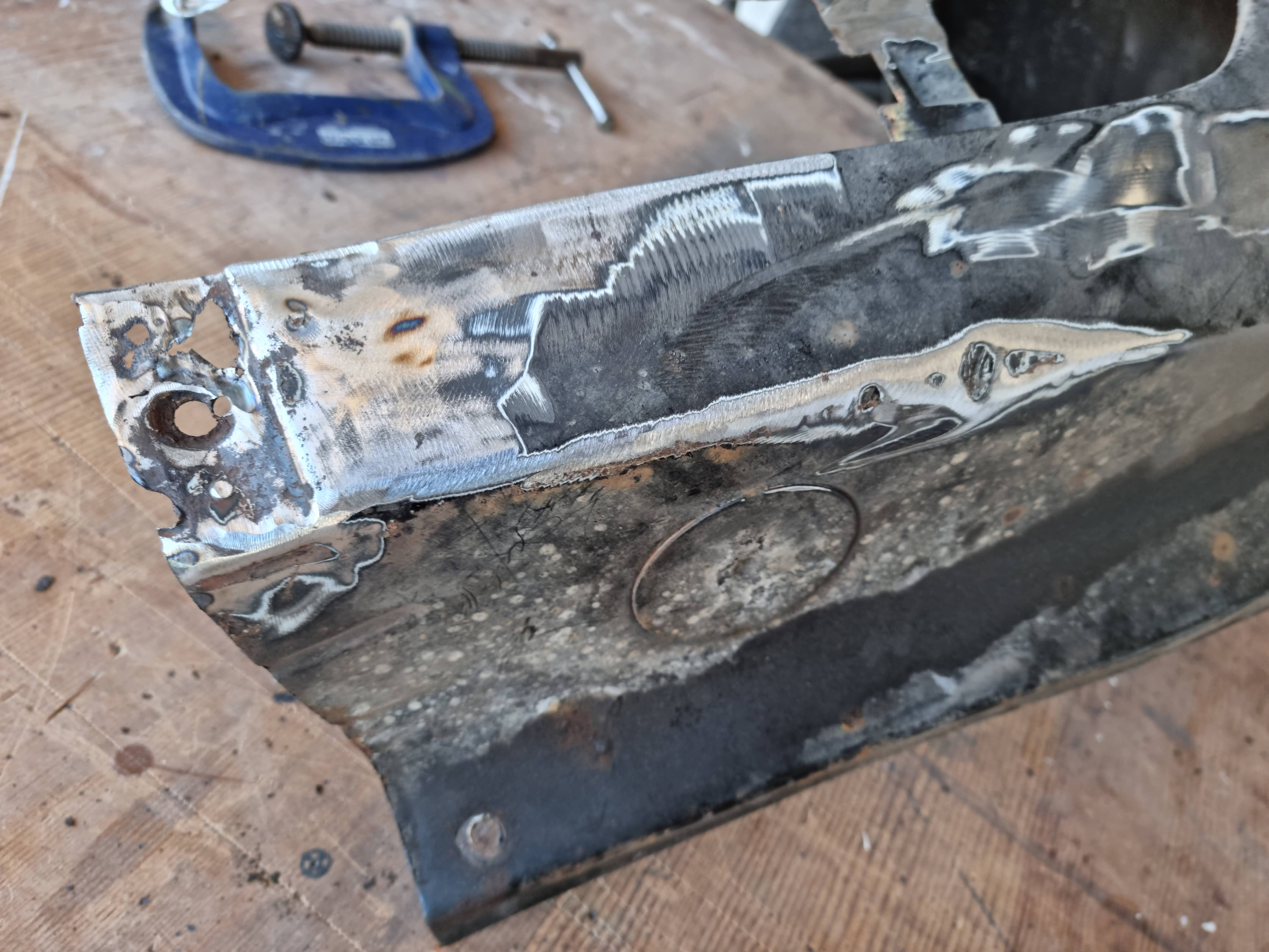
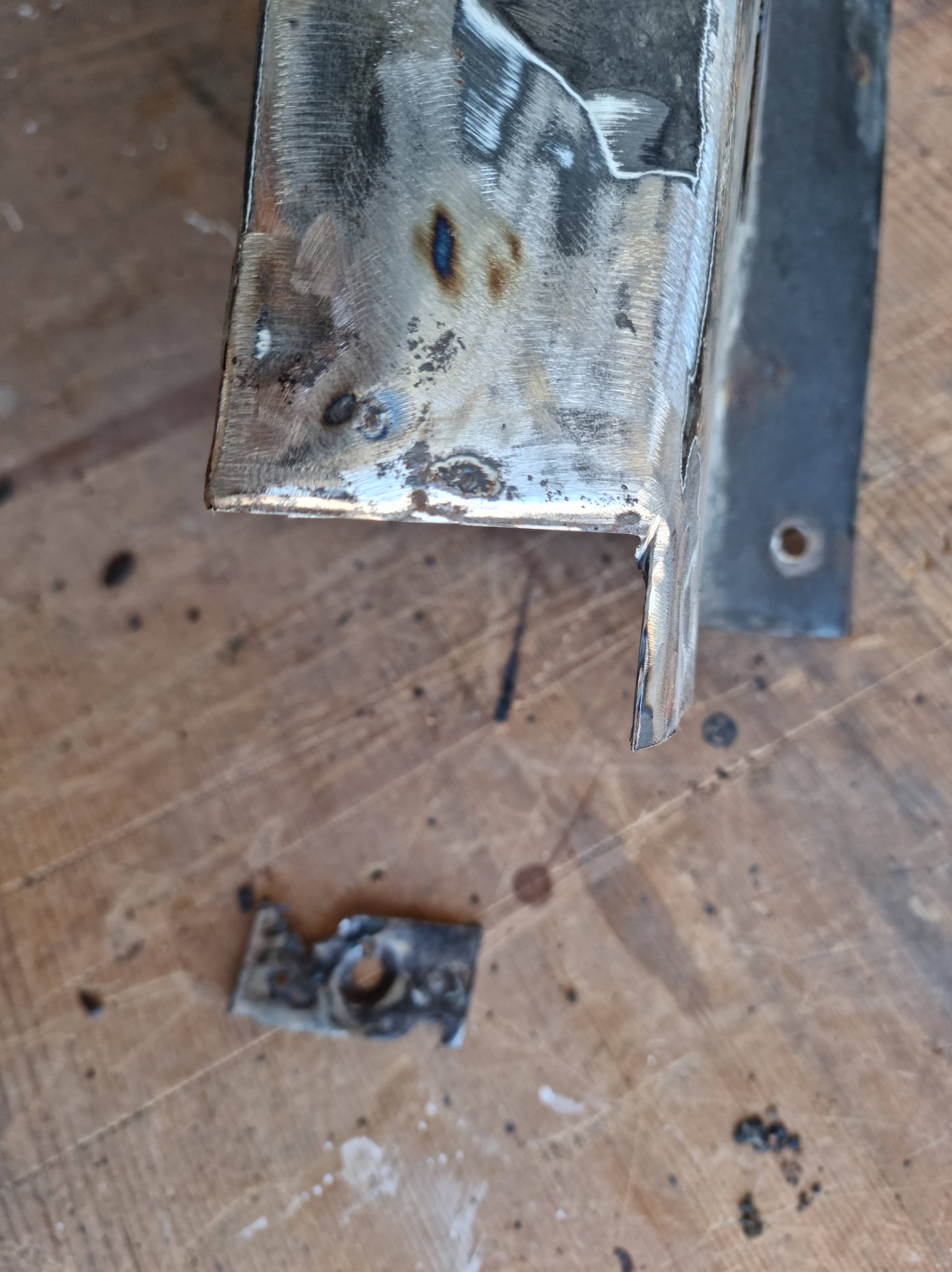
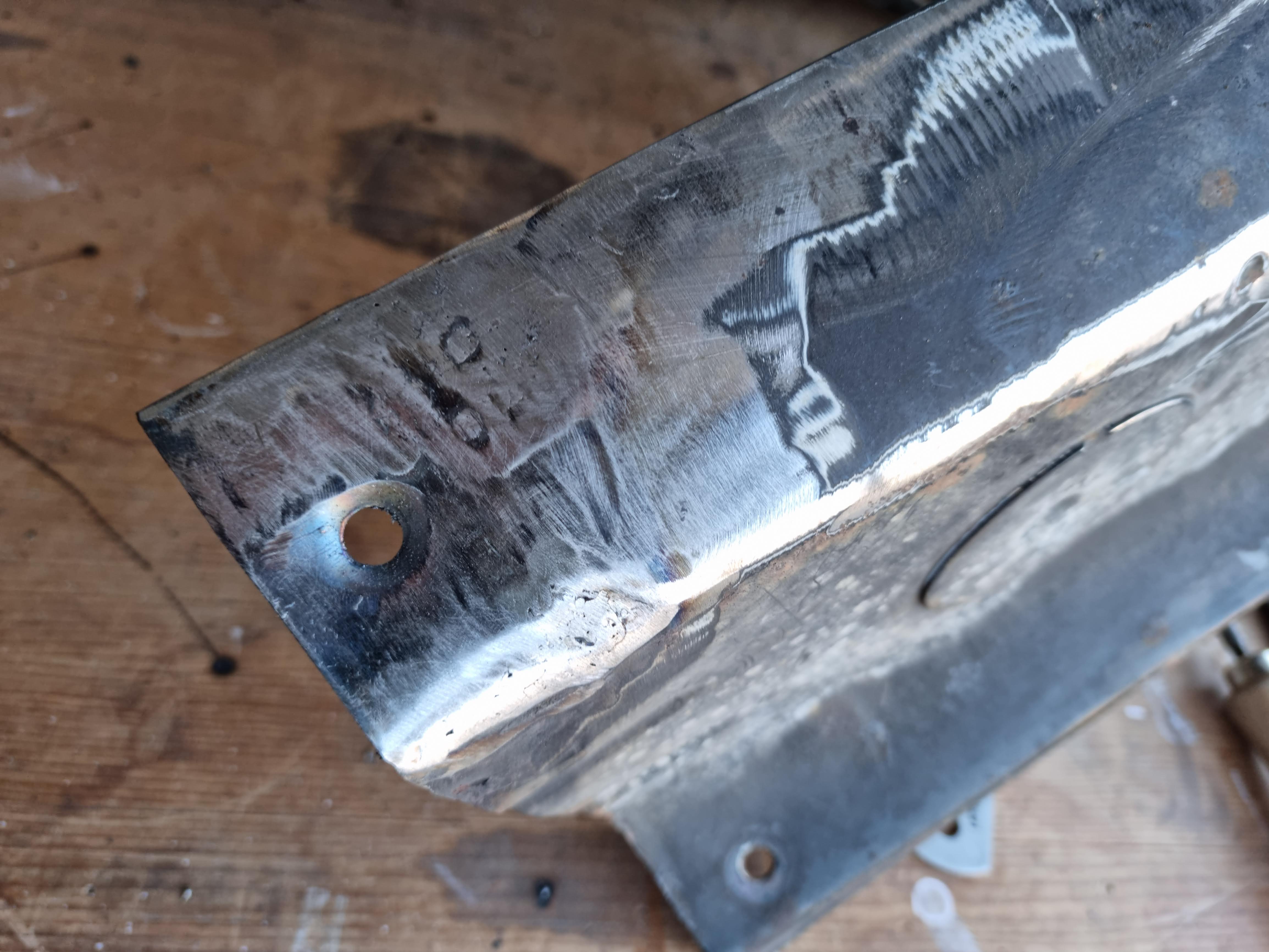
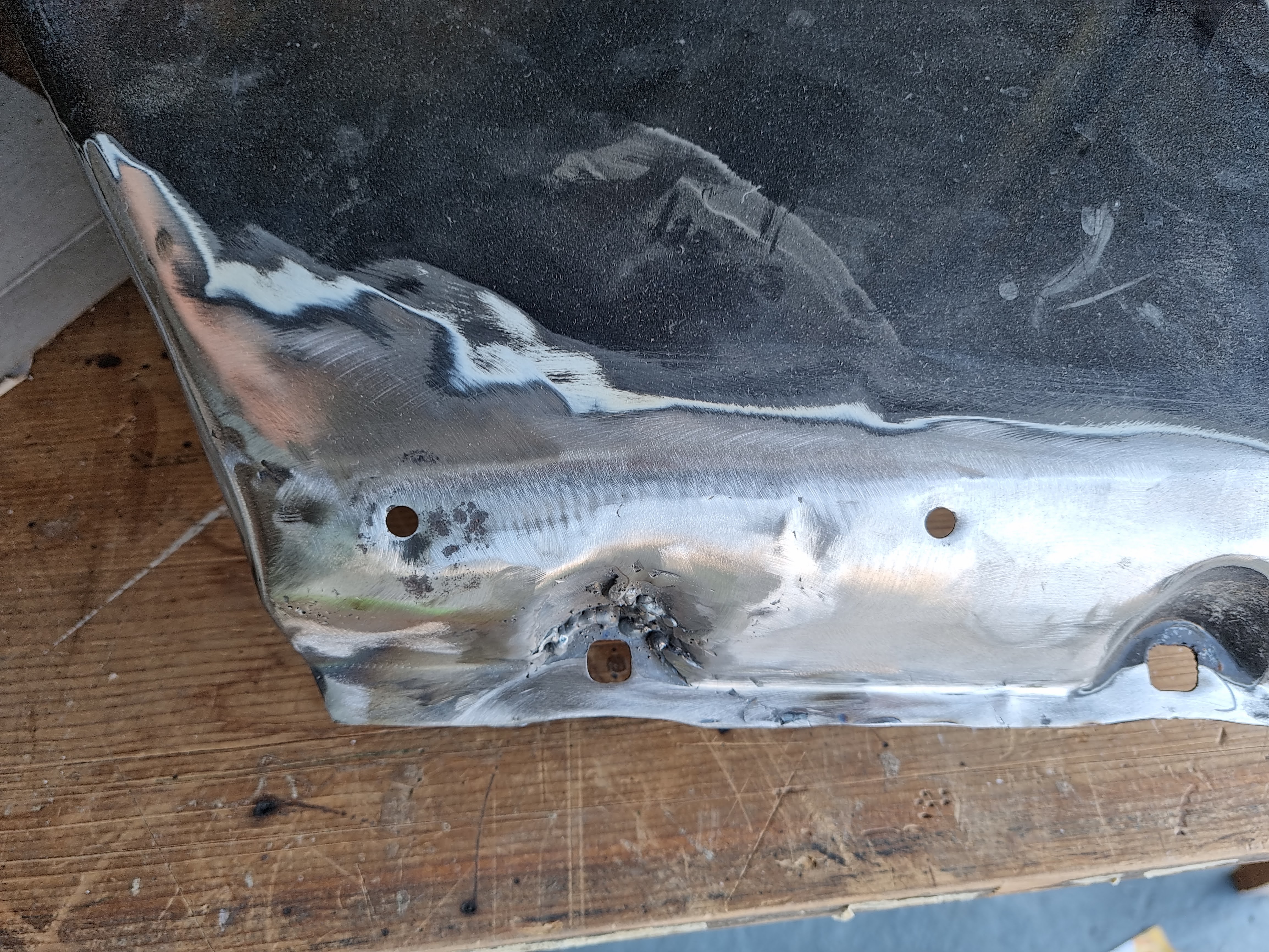
The next area to tackle was the bottom corner where the back of the arch meets the sill. This was a much more complicated 3D shape to try and recreate which included re-making one of the wing fixing points. It took several separate pieces to be welded in to re-build this corner. It is not perfect but I am still very happy with how it came out, this area will be obscured from view by exterior trim.
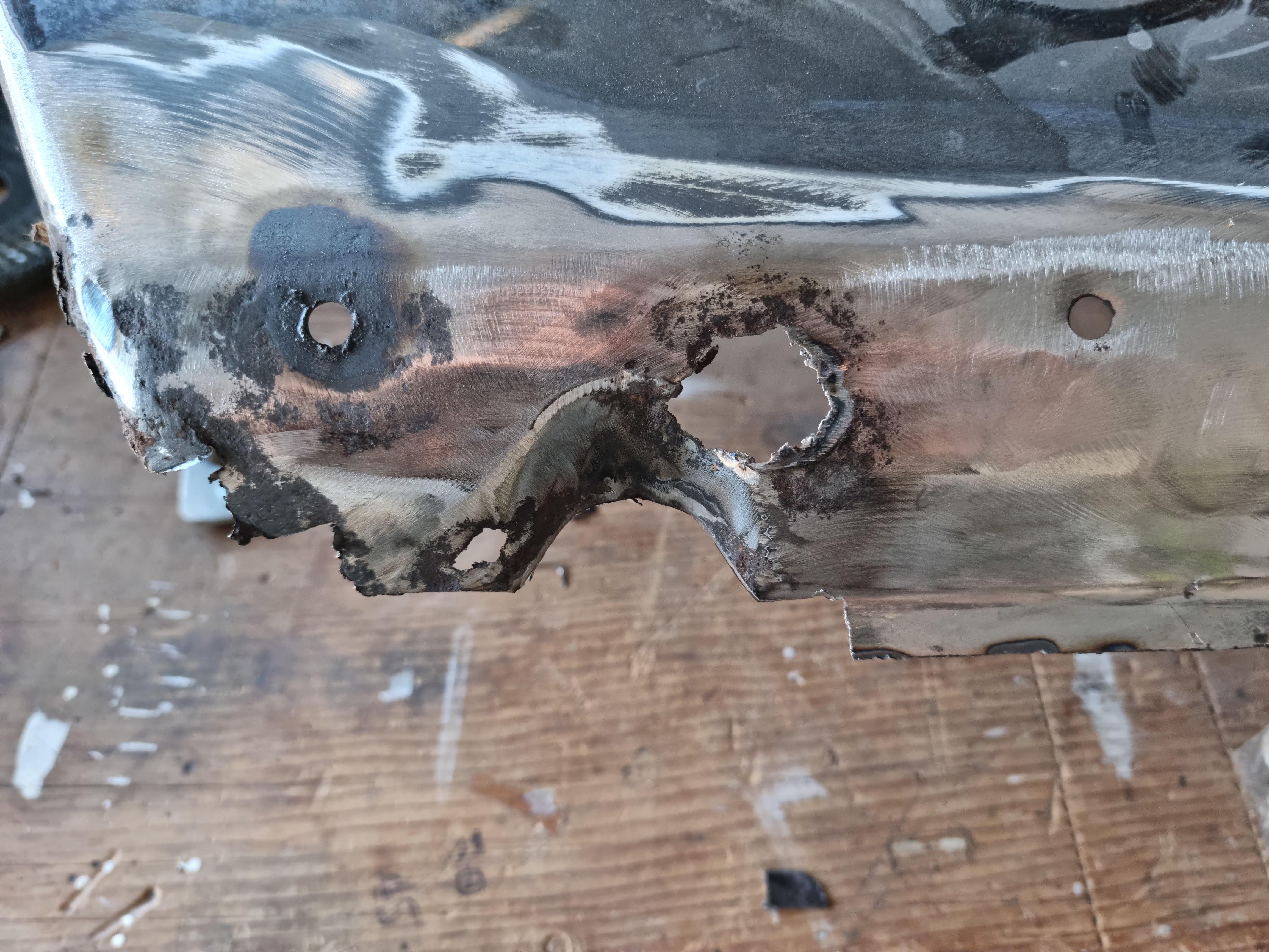
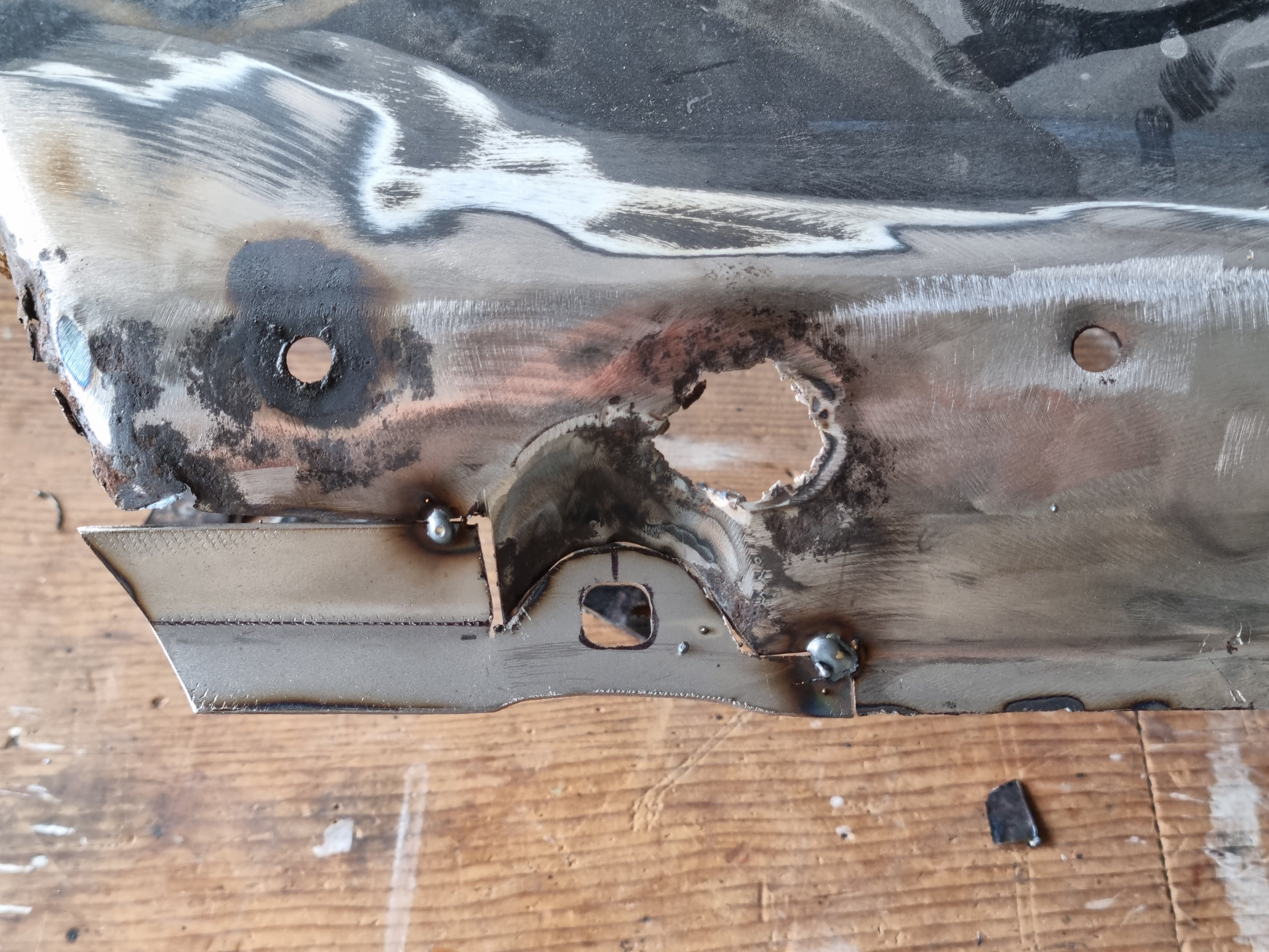
The final spot to repair was the arch return, this was a nice straight forward repair to finish on.
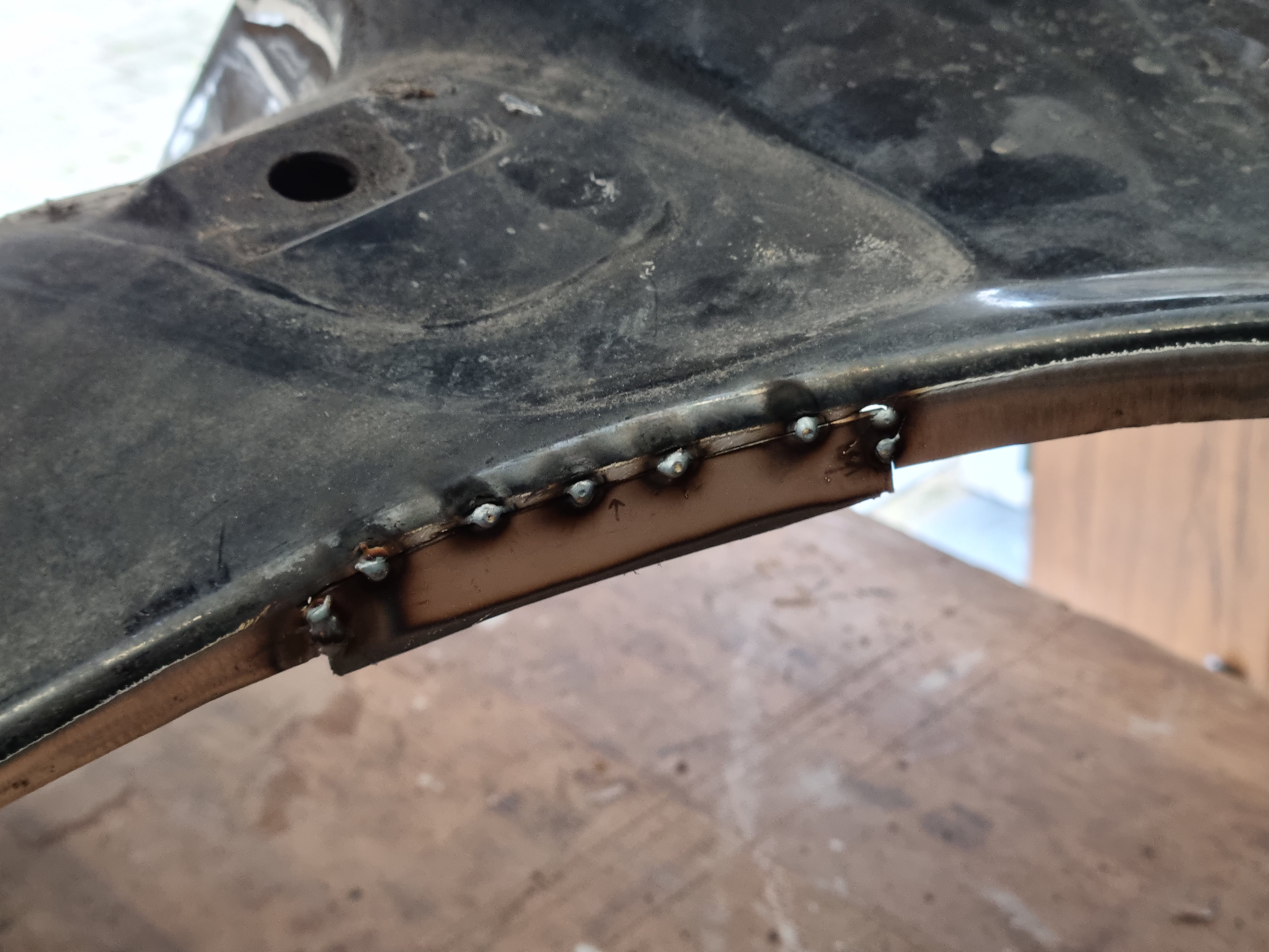
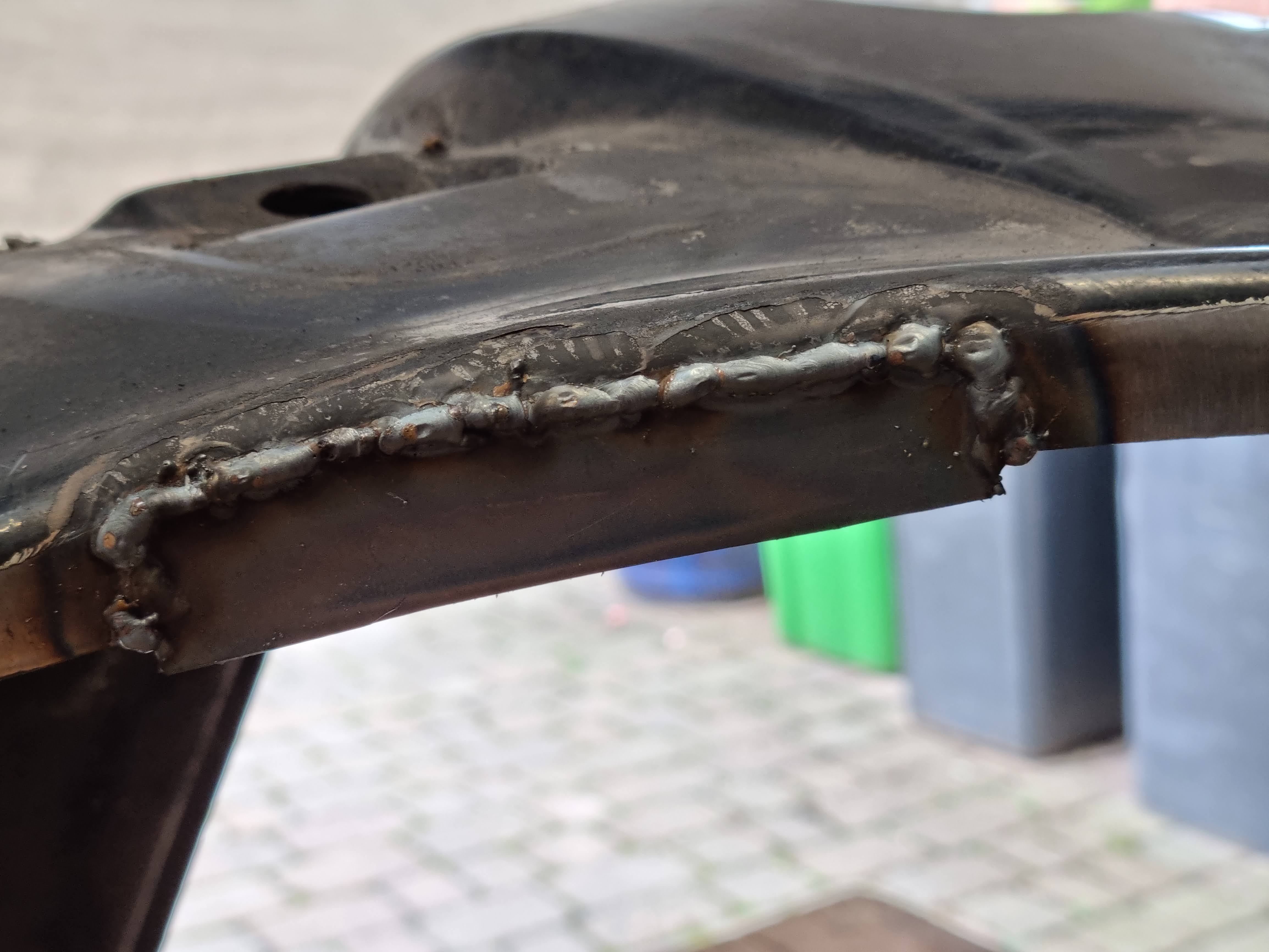
Once these repairs were finished I then cleaned up any signs of surface rust with a flap wheel, including all the trim clip holes. All bare metal was then treated to a liberal coating of zinc primer. Painting happen latter once all repairs around the car are finished.
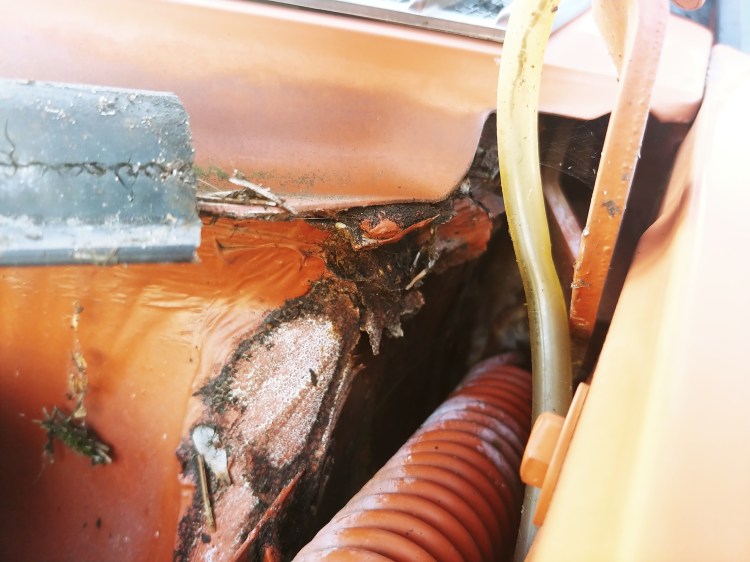
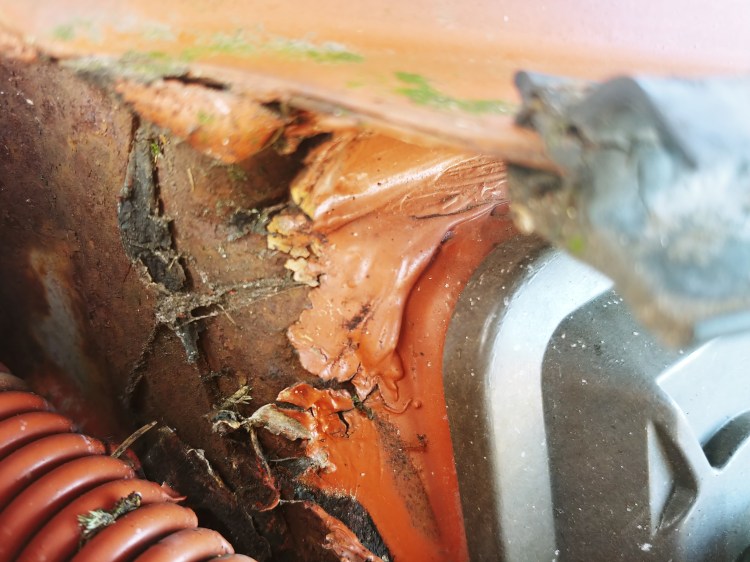
Removal of the original wing was a real pain in the back side. It turn out on early models the top of the wing is bonded to the inner wing with mastic, even cutting away as much as I could I still ended up destroying the old panel getting it off. I have since learnt that the correct process is to hear up the top edge of the wing with a gas torch to soften the mastic before trying to take it off, I will give this a go when I come to do the other side.
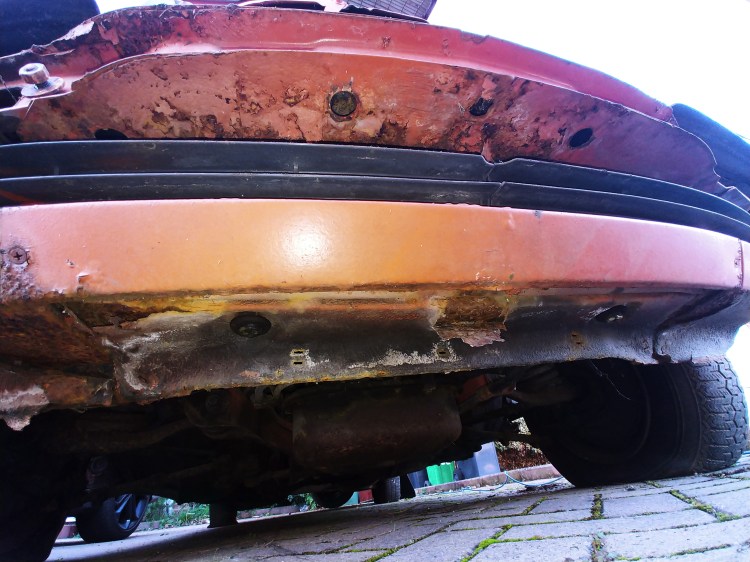
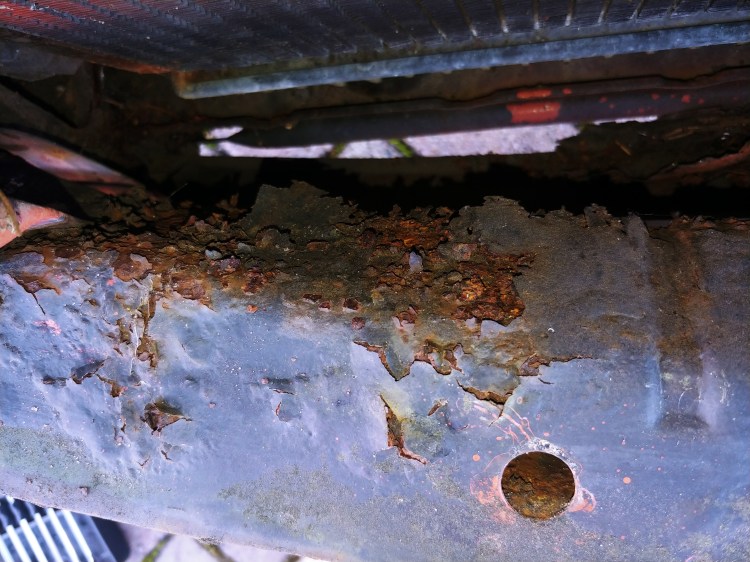
Once the wing was off it exposed the sill which is in a much worse state than I thought. This will have to be the next area I focus on!
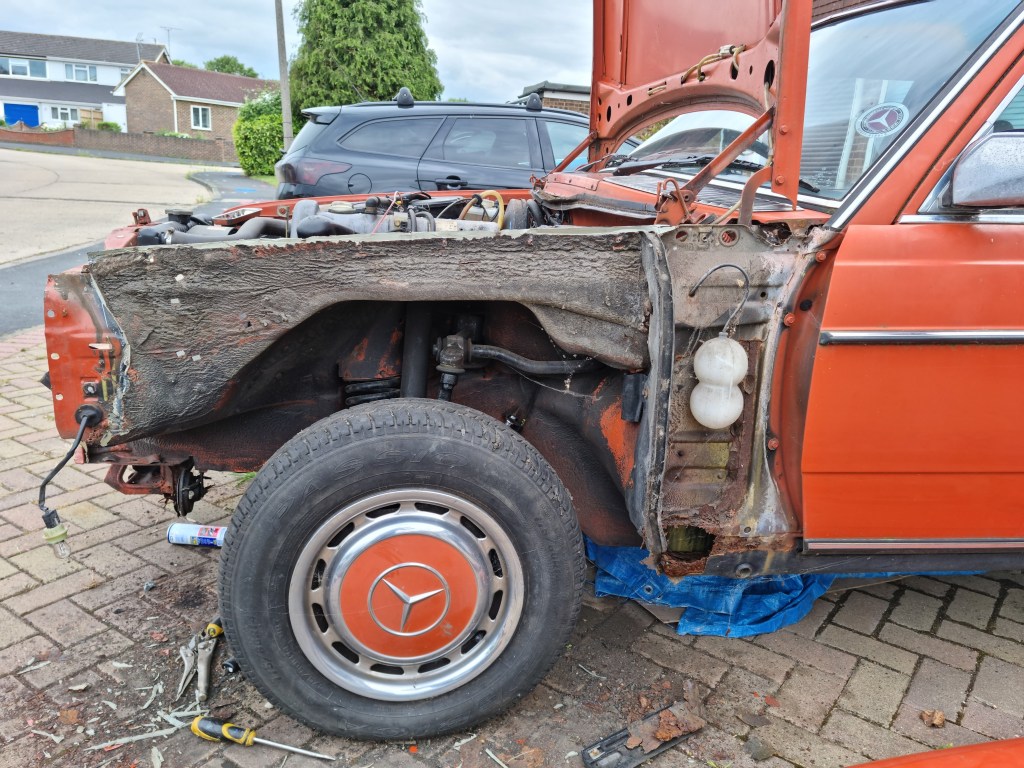
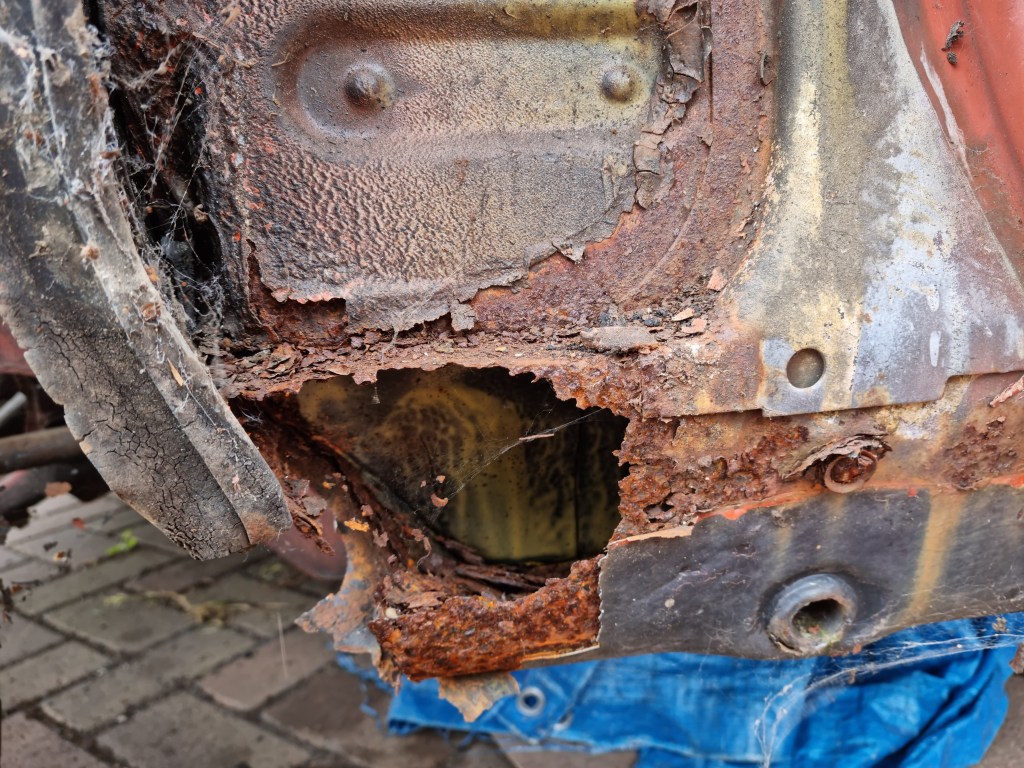
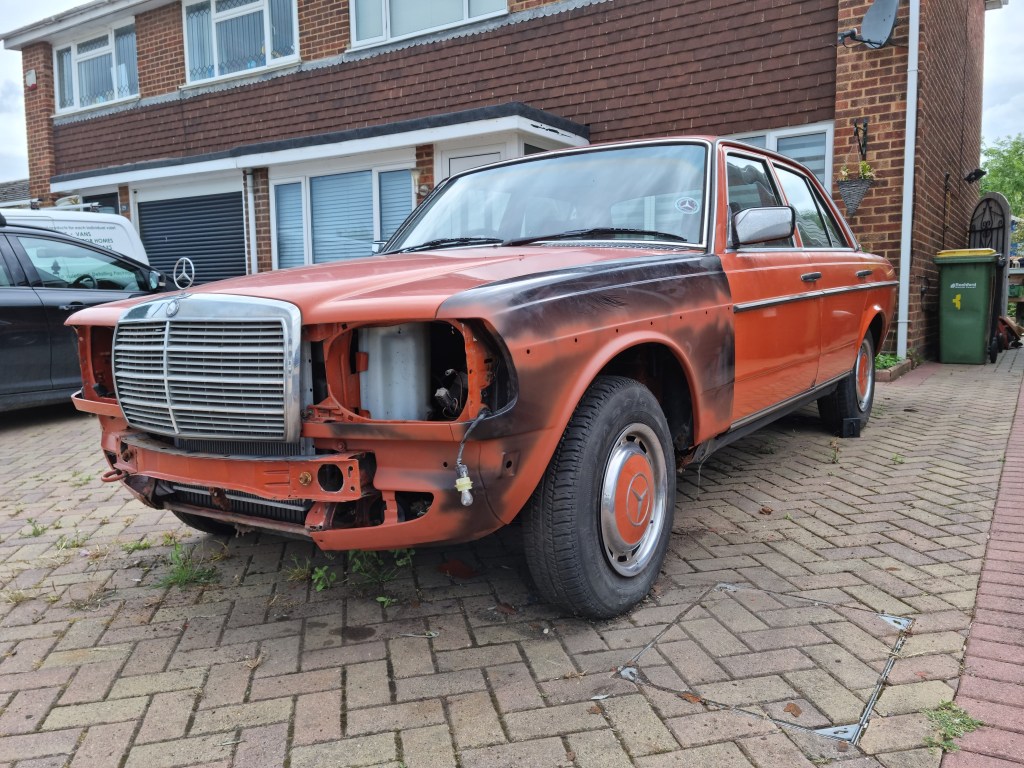
There is still a long way to go, but it is nice to see the car with a little bit less rust at last!
If you want to see more progress updates, don’t forget to subscribe!
Sprung a leak!

Another catch-up post from last year…

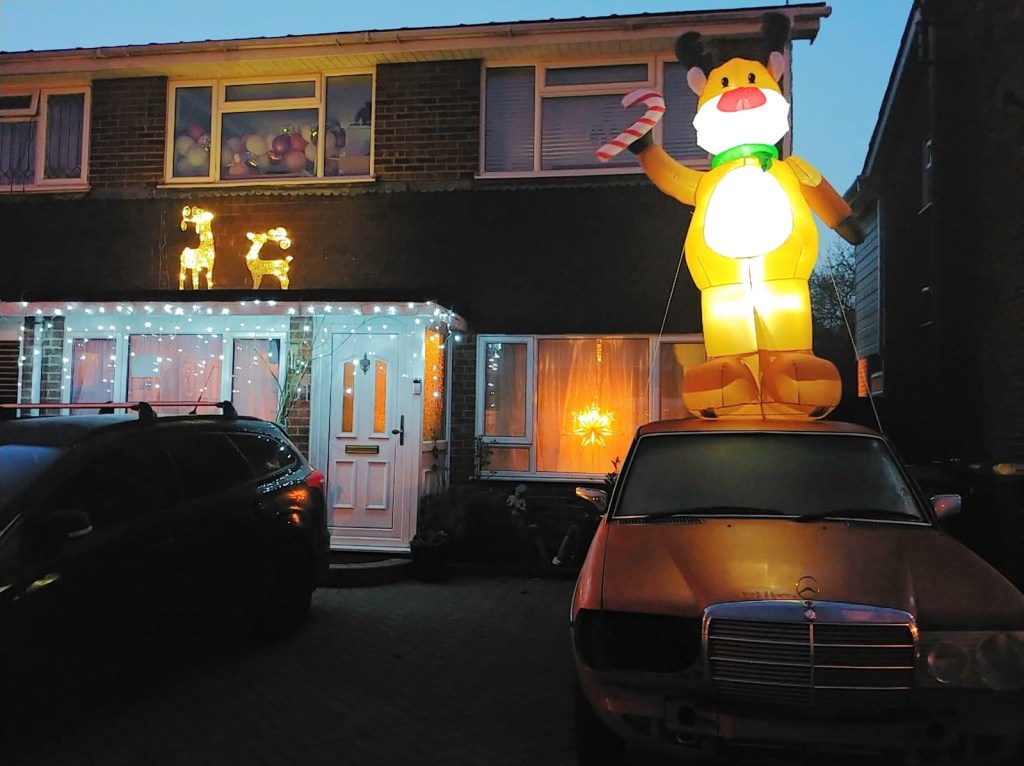
I didn’t plan to do any work on the car over Christmas, yet I still found myself in the back of it trying to secure an 8 foot tall inflatable reindeer, because where else would you put one other than on the roof of a somewhat sorry looking W123?

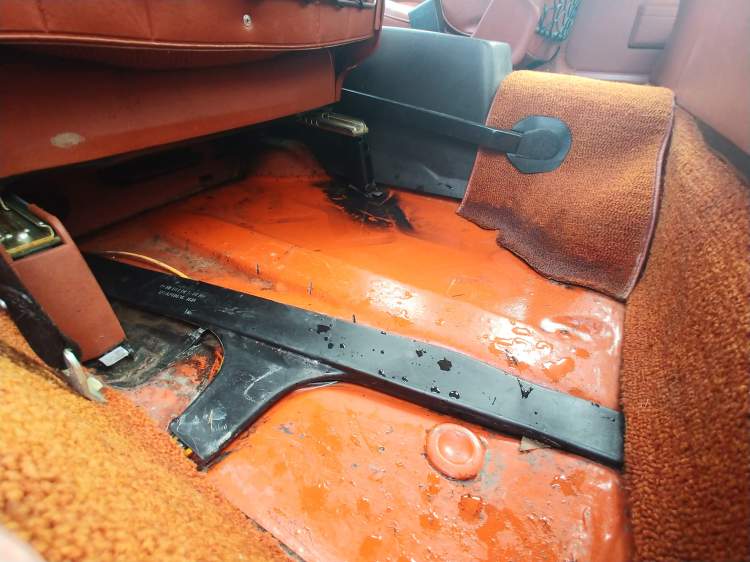
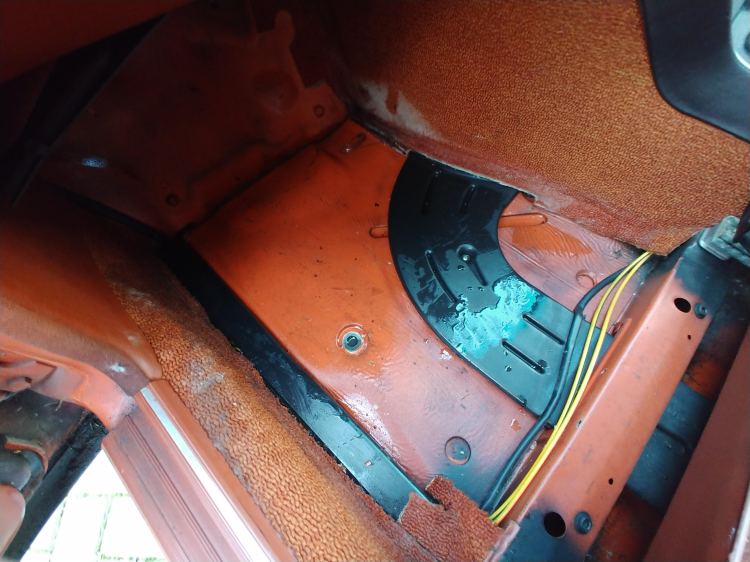
In the rear passenger footwell I was greeted by very soggy carpets, which when taken out revealed a large puddle of water. But where does a car leak for water to collect in the rear of the car? There was no sign of water anywhere else.

As it turns out this is a very common issue on the W123 model. Although water presents itself at the rear of the car it is actually getting in at the front, tracking along under the plastic cable covers until it finds the lowest point of the car, the rear passenger footwells.

Lifting out the front carpets it looked fairly dry all for a couple of damp patches, but sure enough the cable runs were full of water. After soaking up as much water as I could with towels and a couple of days of a fan heater running inside the car it was back to being bone dry.

Now to work out how the water was getting into the car in the first place…

There are a number of drainage channels around the car designed to manage water, but if these get blocked they will back up and water will find another route.

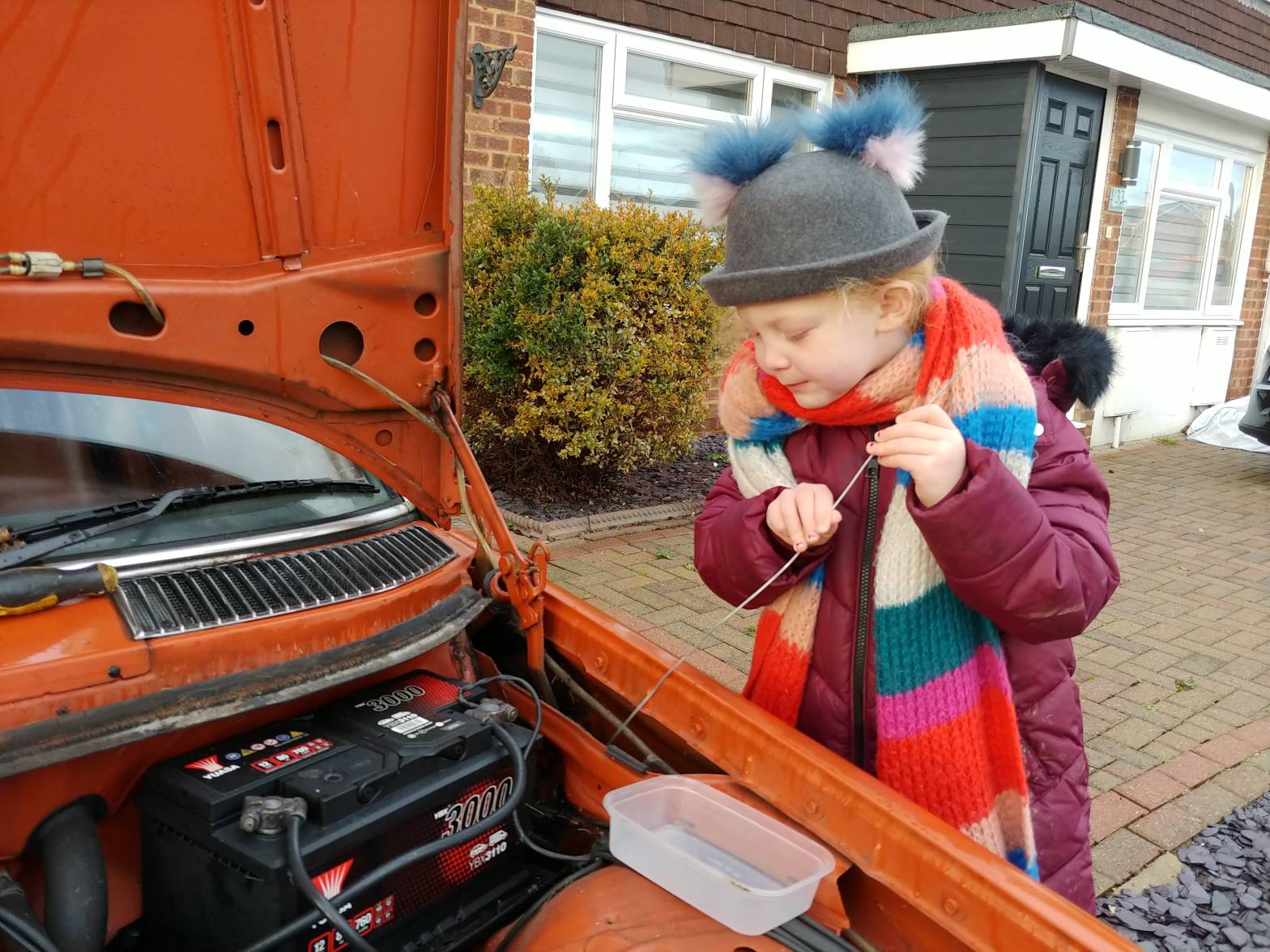
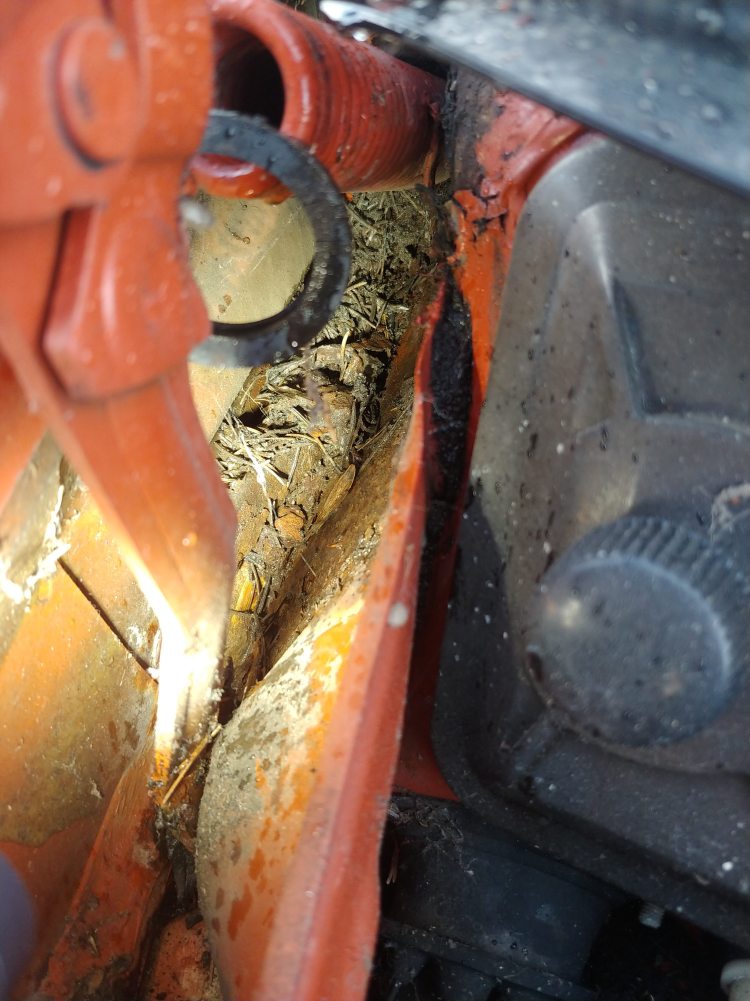
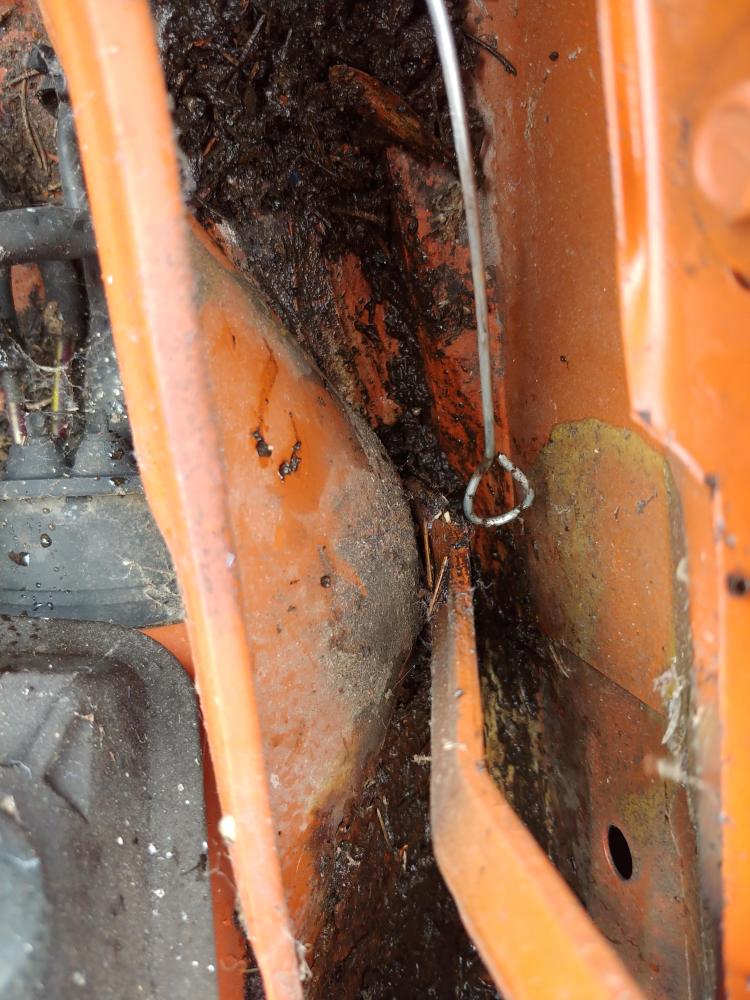
At the front of the car there are two drainage channels, one either side under the bonnet hinges. Water that runs off from the roof and windscreen collects in a channel that runs along the bottom edge of the glass and then flows to either end of the windscreen into a void between the inner and outer wing. A drain hole here then allows the water to drain out and away down through the wheel arch. But if not regularly cleaned these drain holes can get blocked, which as you can see from the photo below was what had happened to me.

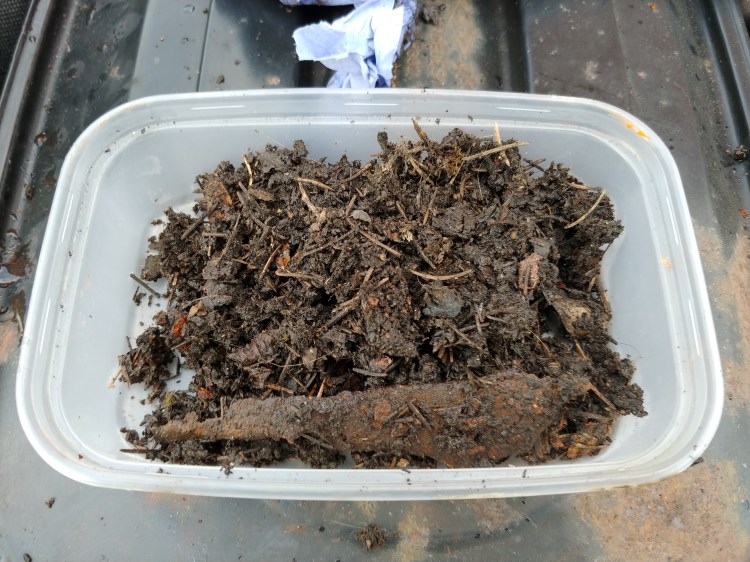
The best way I found to remove all the years of accumulated debris was to use a length of garden wire with a loop bent on the end. This could get deep into the back of the space between the inner and outer wing which is too tight to get a hand in and drag it forward where it could be picked out. As you can see the debris holds onto water even when the majority has drained out keeping the whole area damp, so aside from leaks block drain holes can eventually lead to rust if left too long.

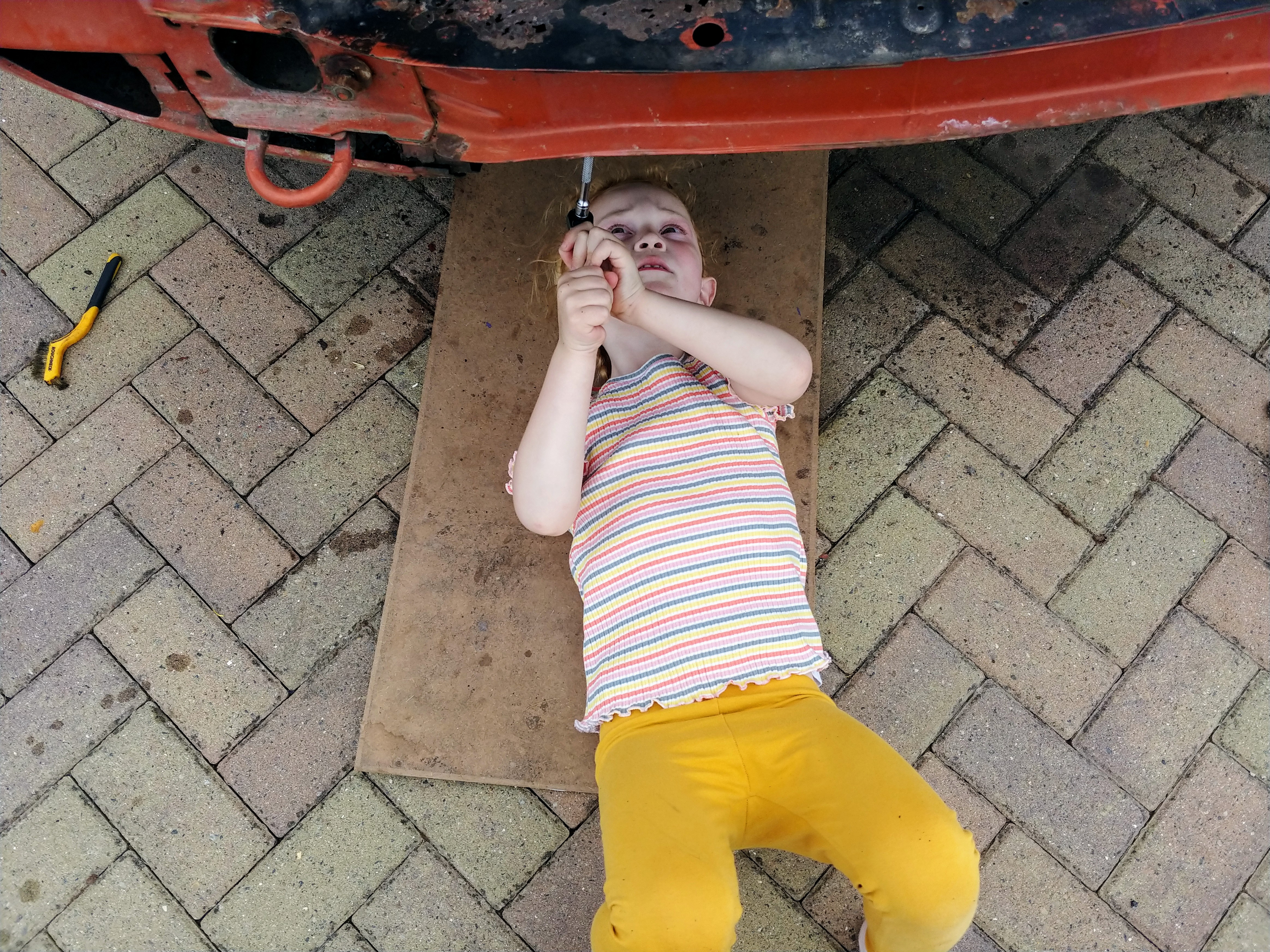
To make it an even easier job, I wholeheartedly recommend giving the job to a keen child. Spud has done a great job here.

This is all the crud removed from just one side.

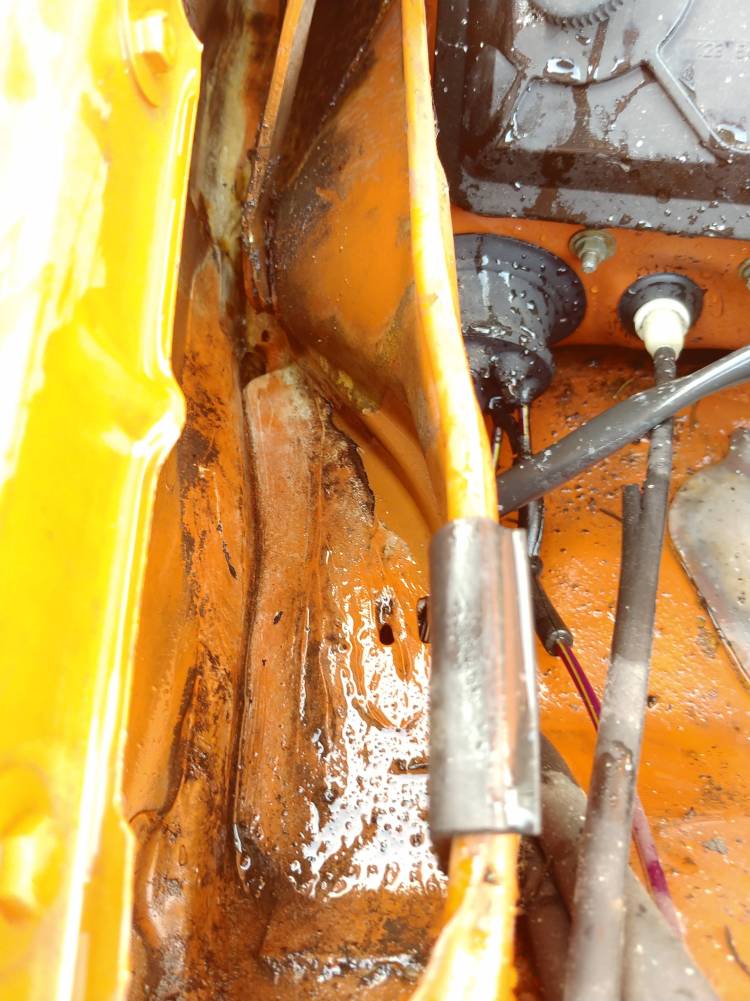
After being cleared out and washed you can now see the drainage hole. Fortunately there is no sign of rust, I must have caught it early enough.

I might have been well late in putting this post up, but at least the last 6 months has proven that the issue is resolved, there has been no more water getting inside the cabin.

If you want to see more progress updates, don’t forget to subscribe!
Rear Brakes Rebuild

This update is a little late, it should have been up some time before Christmas but it is a busy time of year and I am only just playing catch-up. Sorry about that, but finally the braking system overhaul is complete!

So having completed the front brakes (some time ago now), it was finally time to go through the same process with the rears, flush through the system with new brake fluid and that would be job done, easy!

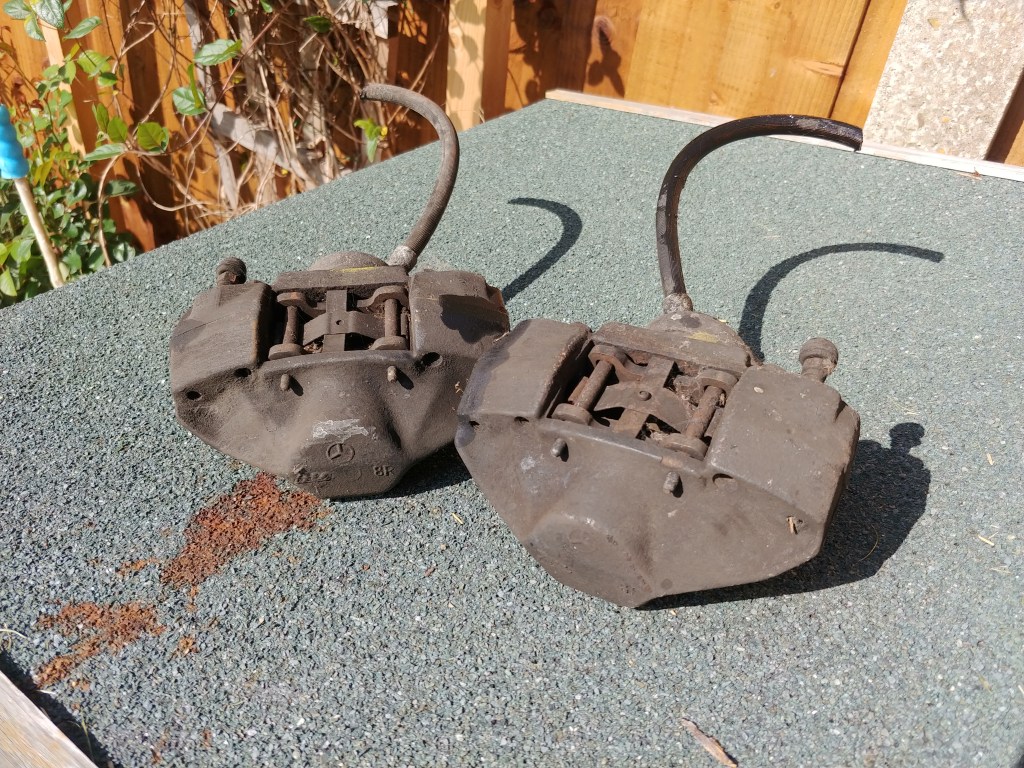
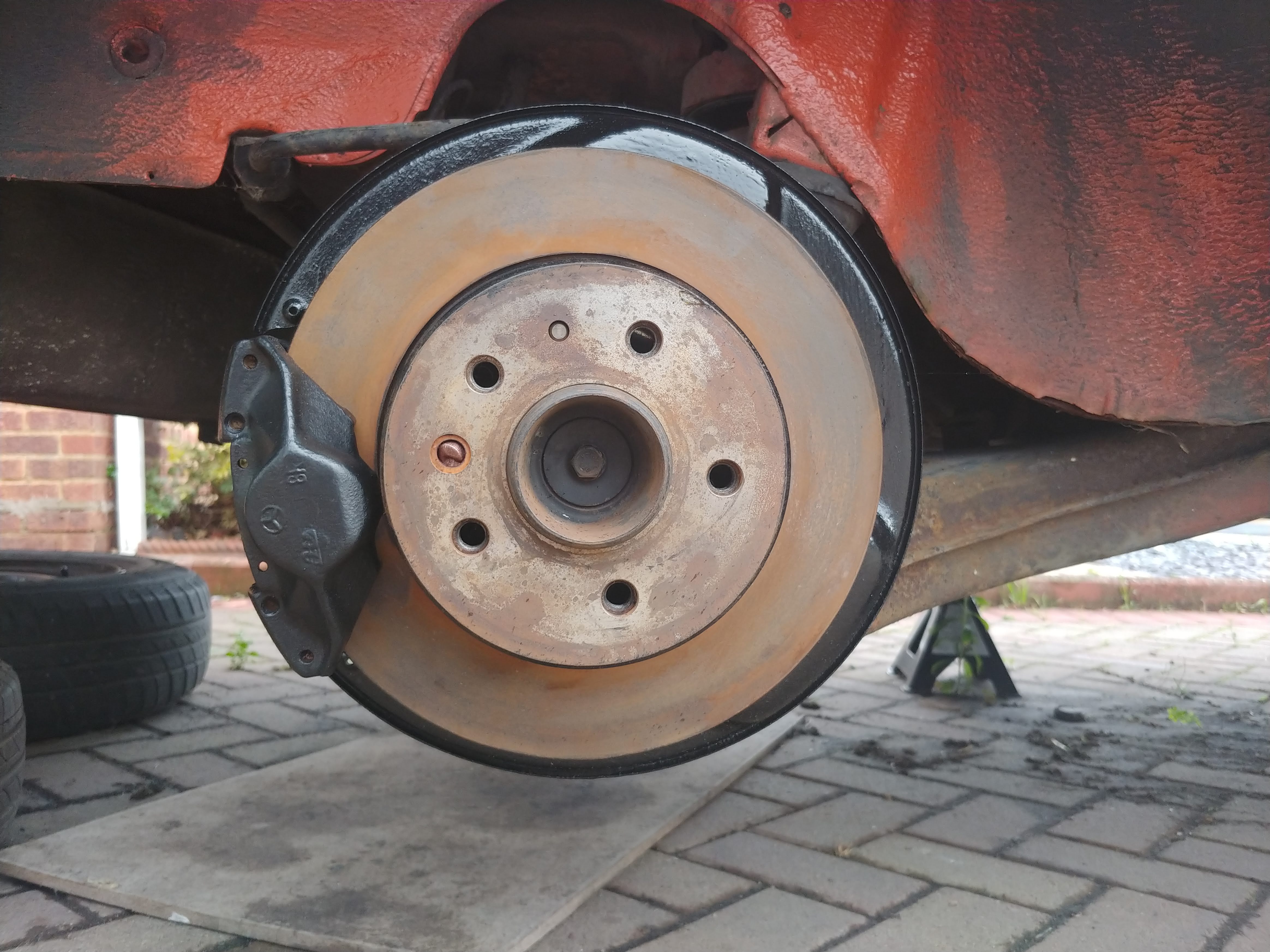
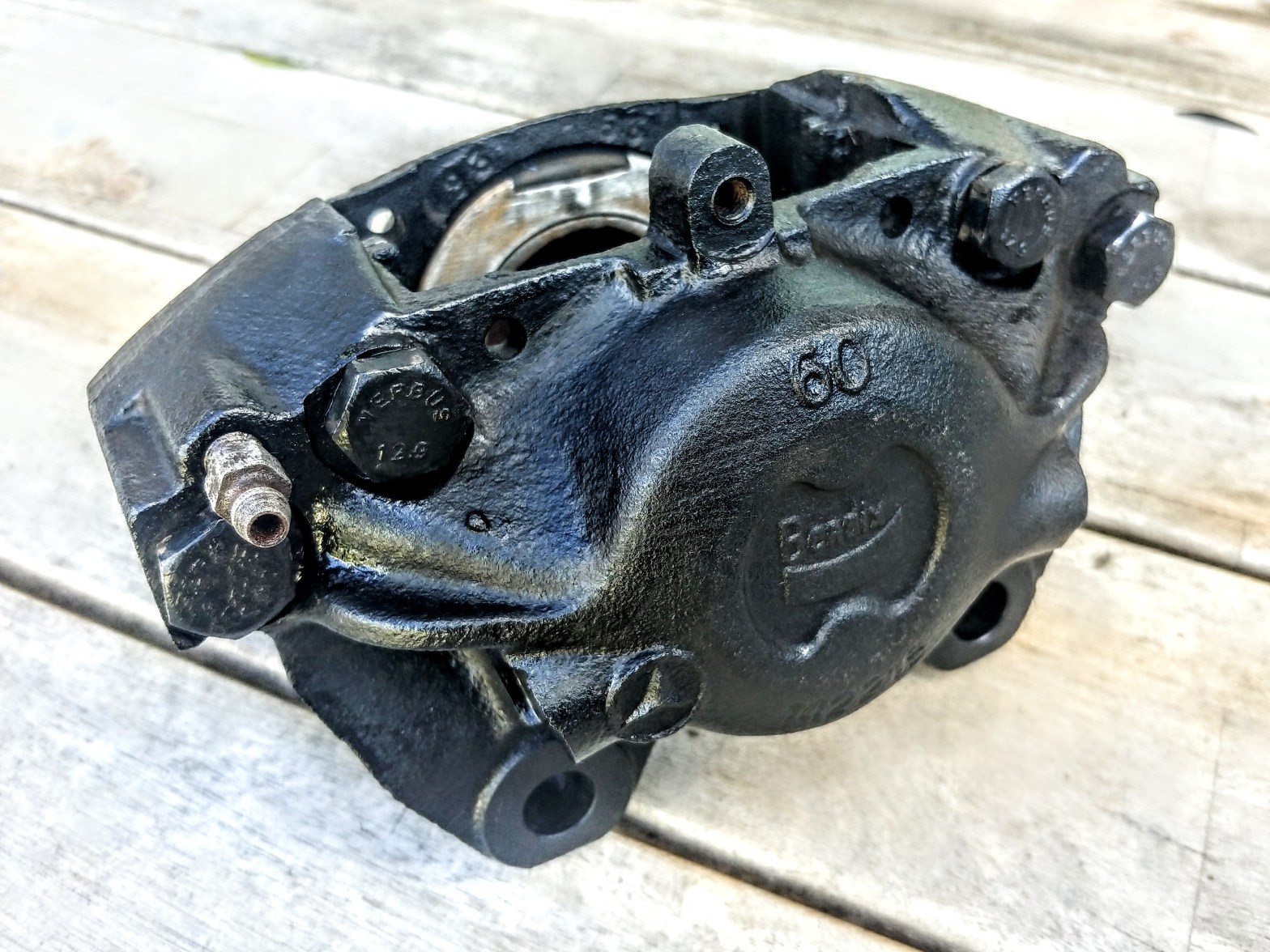
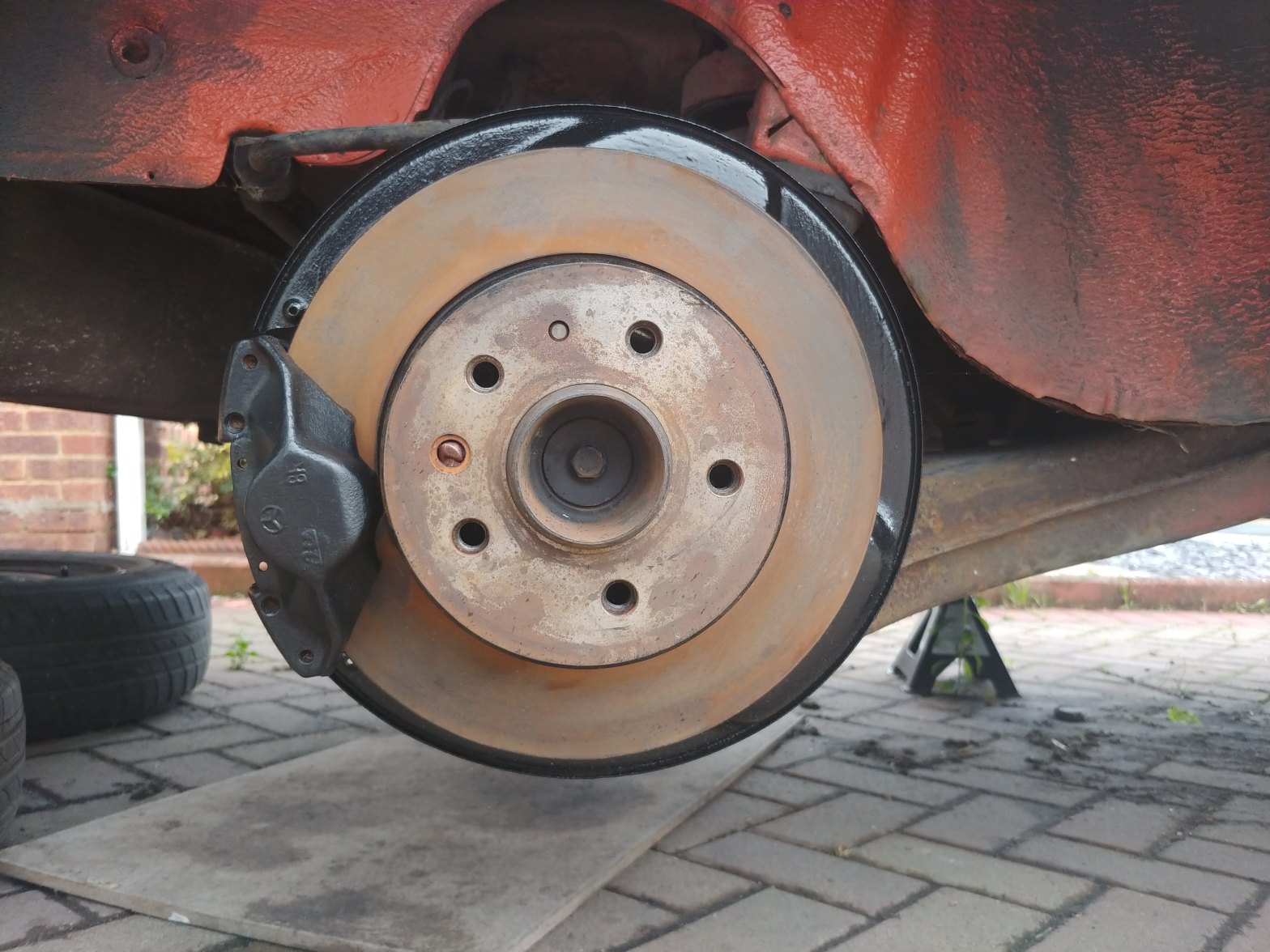
Having learnt from refurbishing the front callipers that they were actually in very good condition internally and were limited to just an accumulation of dirt and rust externally I decided that I wouldn’t split the rears callipers and just give them a simpler external overhaul. This should speed things up and get me back to focusing on the things I really want to be doing, like getting the car moving. The Calliper bolts had other ideas and needed a bit of gentle persuasion to let go.

The callipers themselves only needed a clean up with a wire brush and some brake cleaner before they could be painted, but the brake pad retention springs and pins were shot, fortunately replacements are easily sourced, along with some need bleed nipples of course.

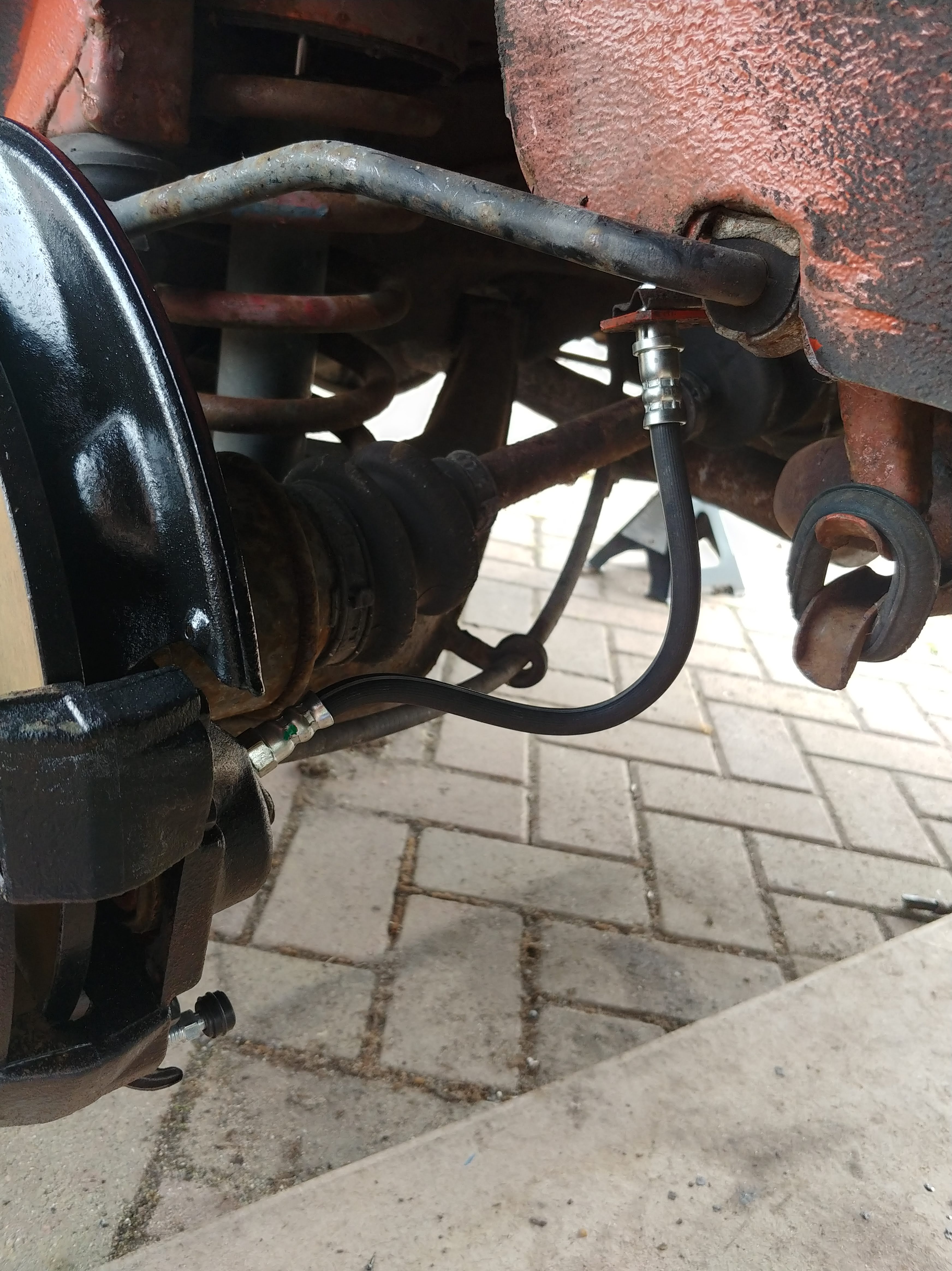
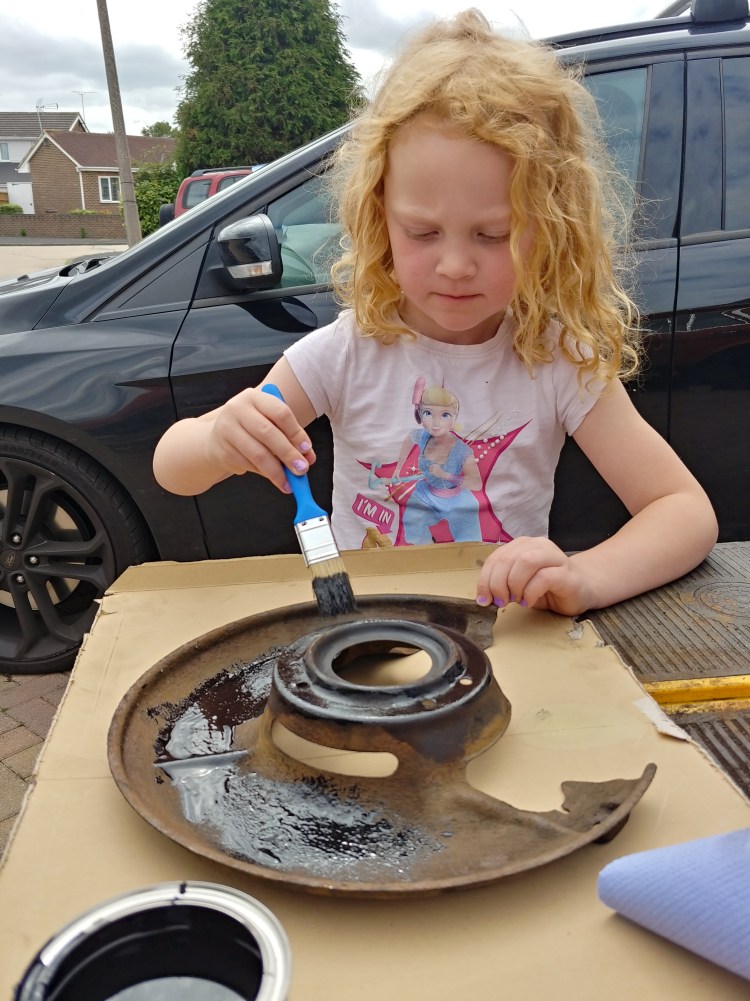
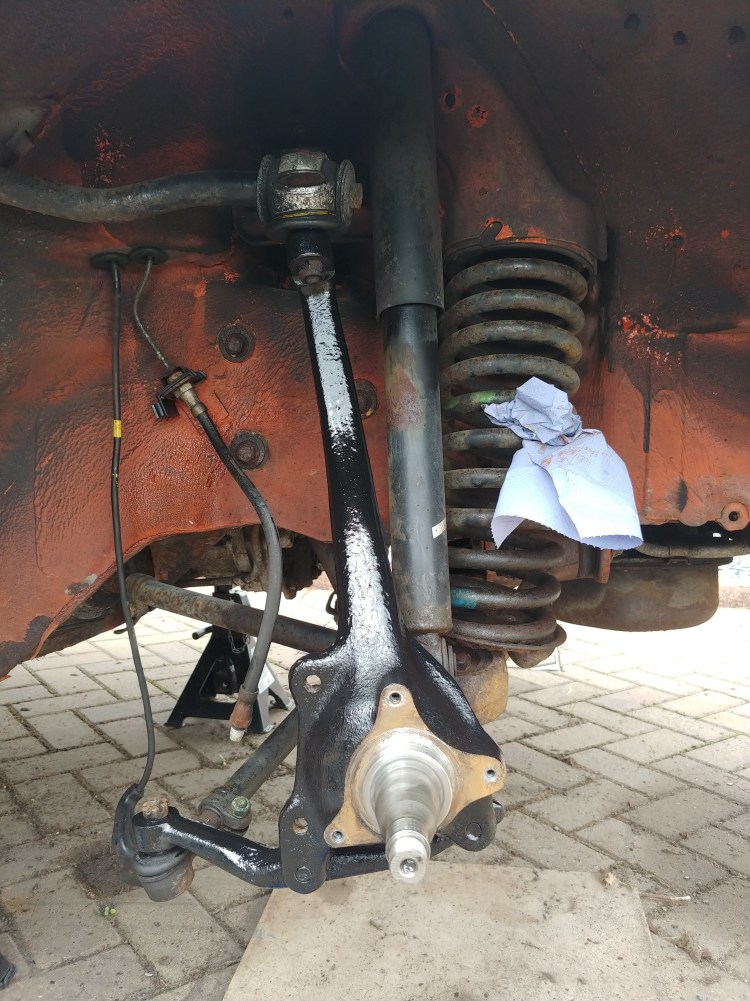
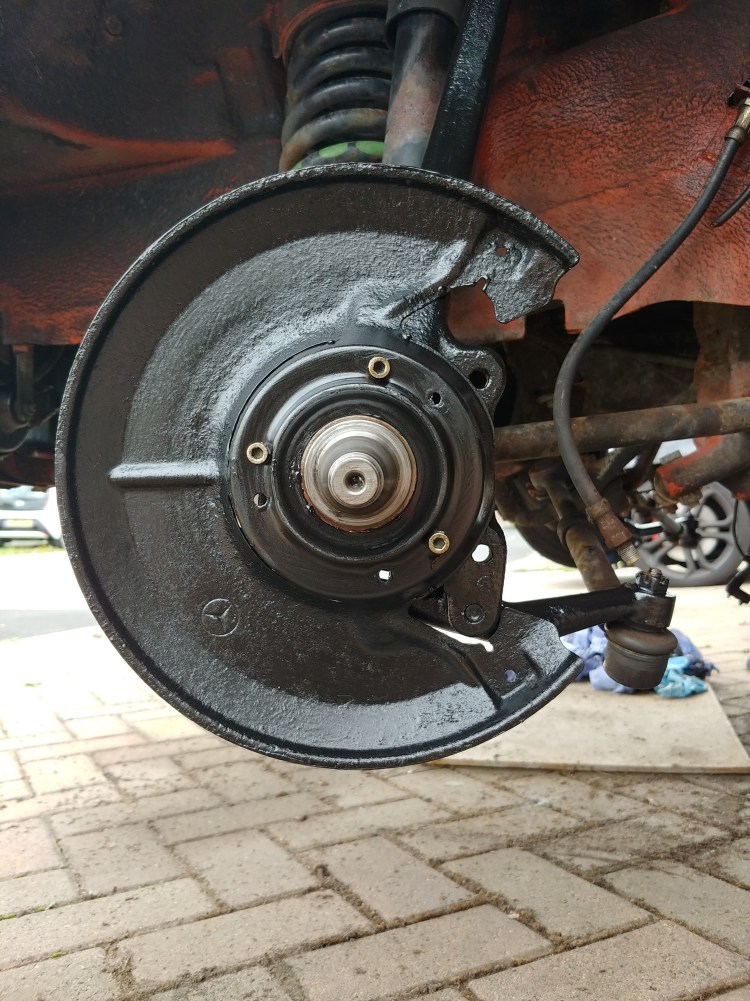
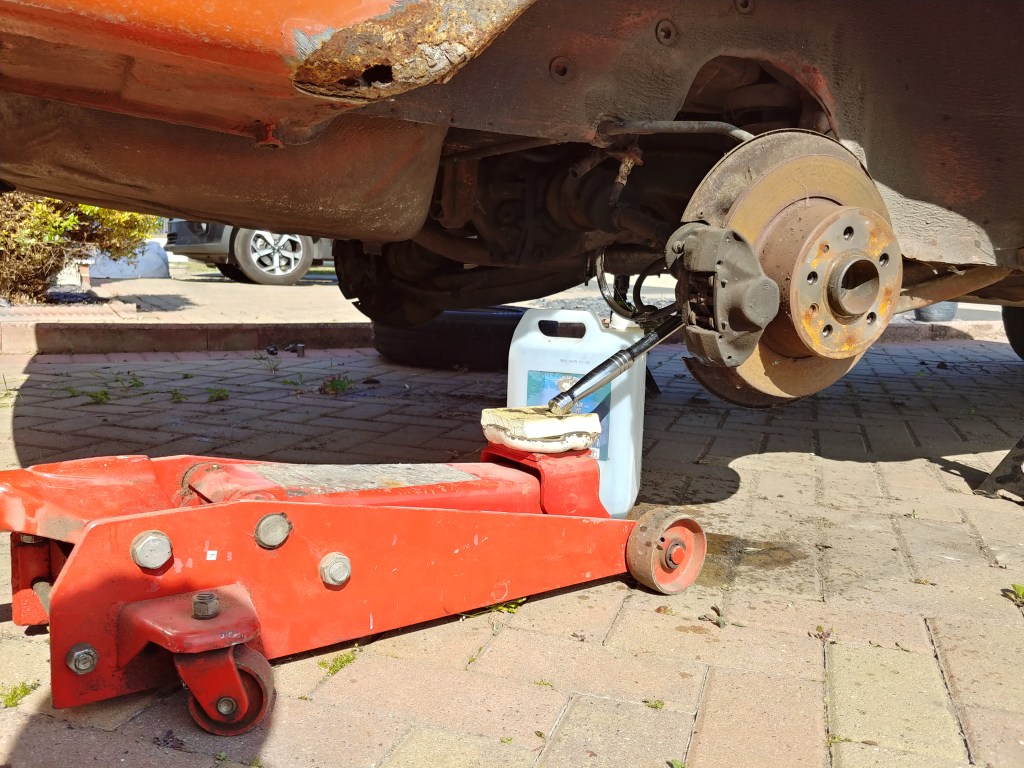
While I was at it I removed and cleaned up the discs, inspected the parking brake and painted the brake shields before putting it all back together with new brake hoses and solid lines as these were seized and destroyed when trying to remove the old hoses.

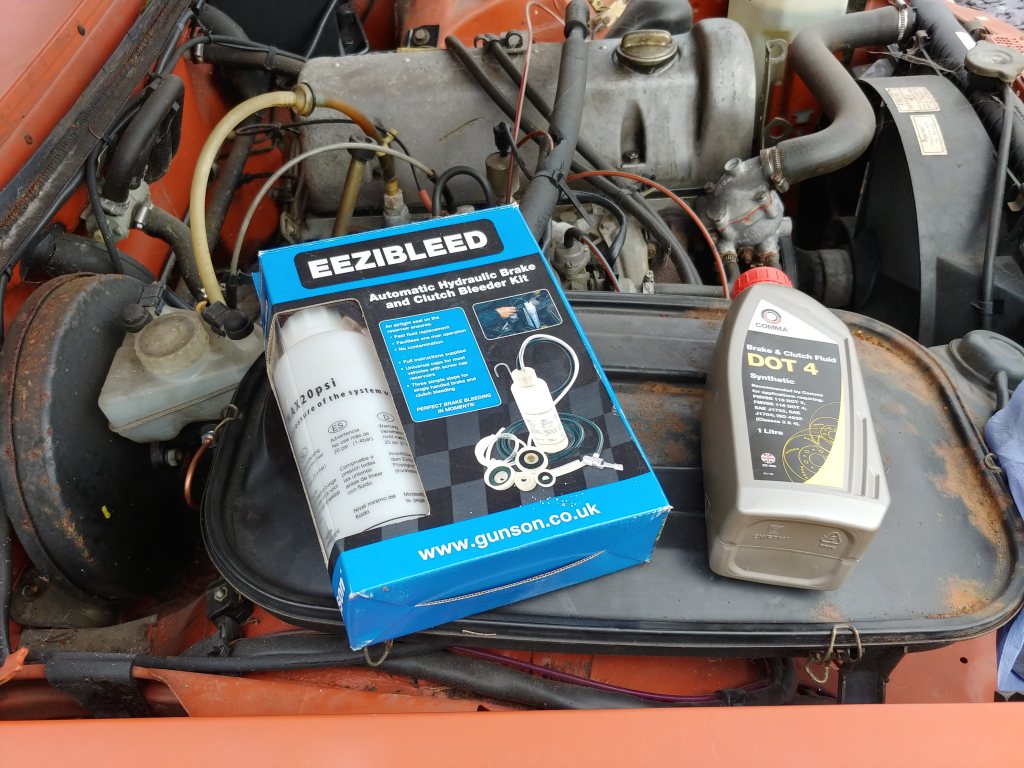
With that done all that was left to do was to bleed the system which should have been simple enough. I use an Eezibleed kit which pressurises the reservoir pushing new fluid through to each brake calliper making it a very quick and easy one man job.

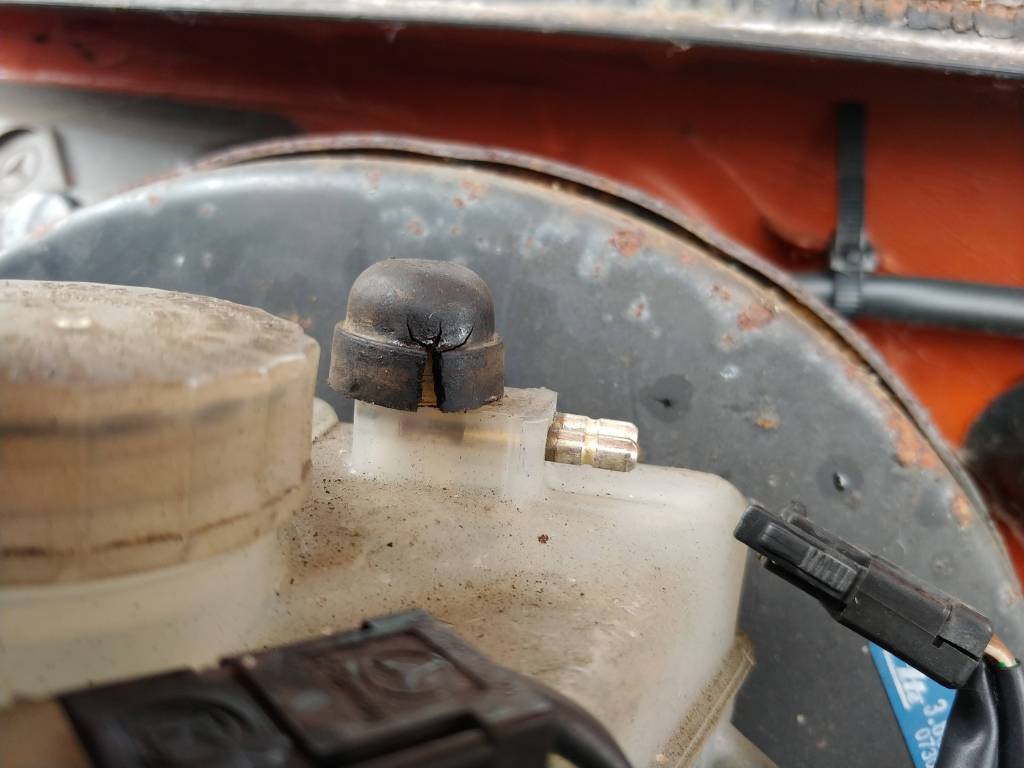
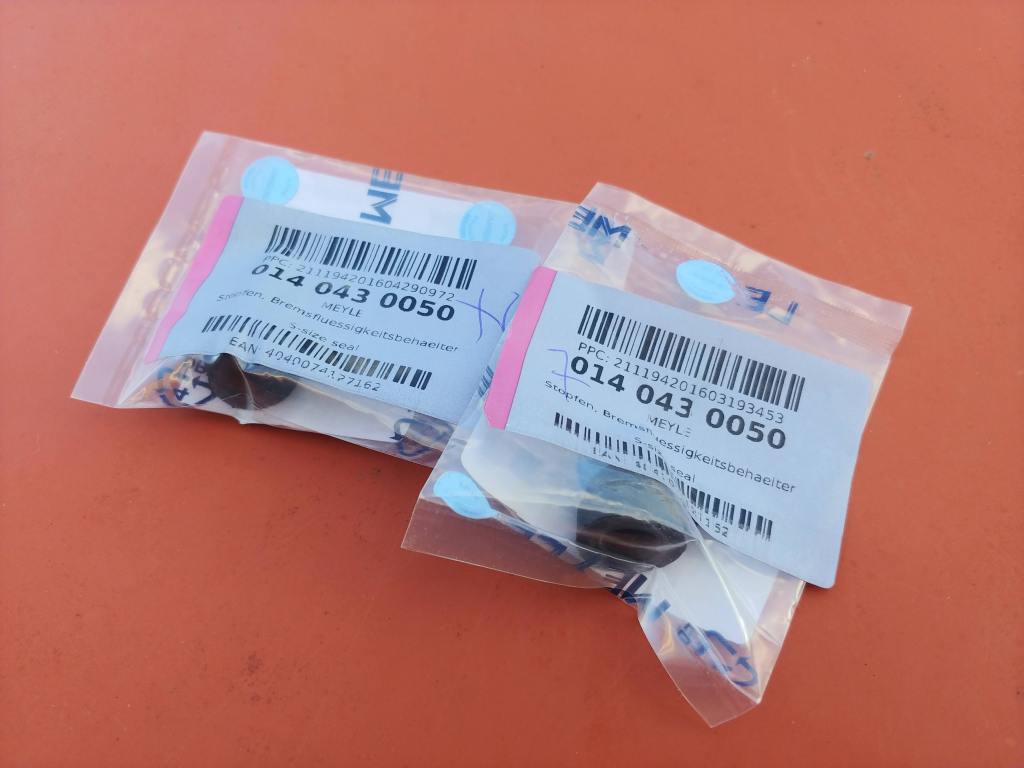
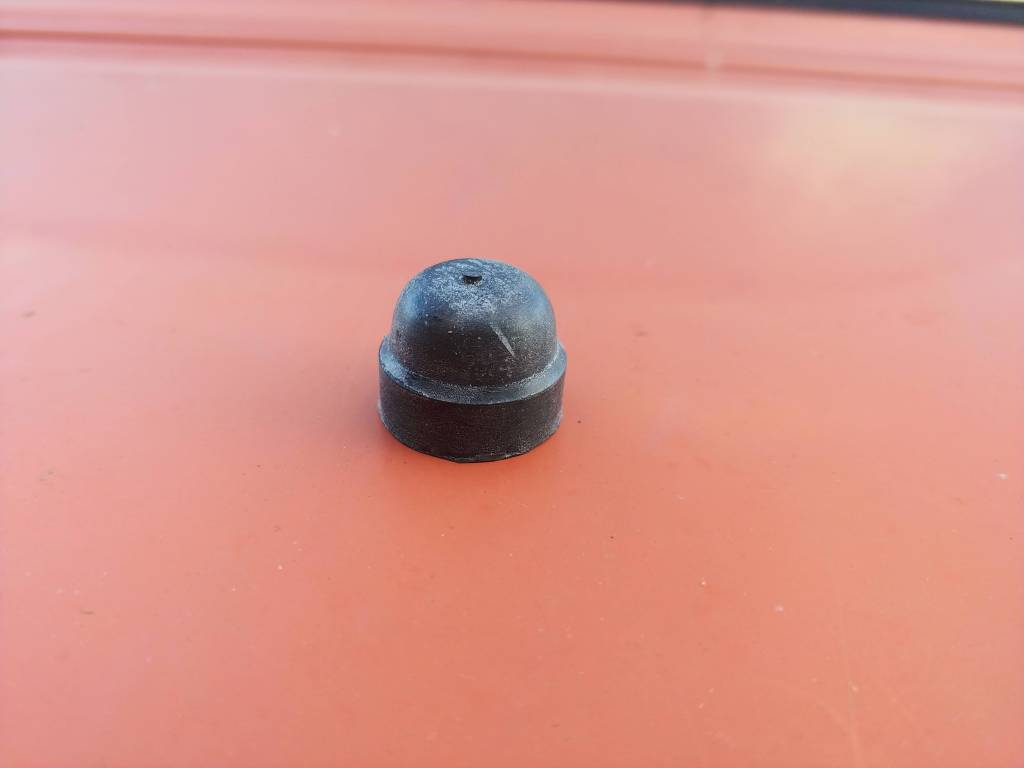
Unfortunately one of the float sensor caps had split and so the reservoir could not be pressurised until I got a replacement. A couple of weeks later I had some new replacements from Germany and with that in place the brakes were bled and all working again. YAY!

If you want to see more progress updates, don’t forget to subscribe!
Front Brakes Rebuild

With the engine now running and the car able to move under it’s own steam it is time to make sure it can also stop again. So I have turned my attention to overhauling the braking system, starting with the front calipers.

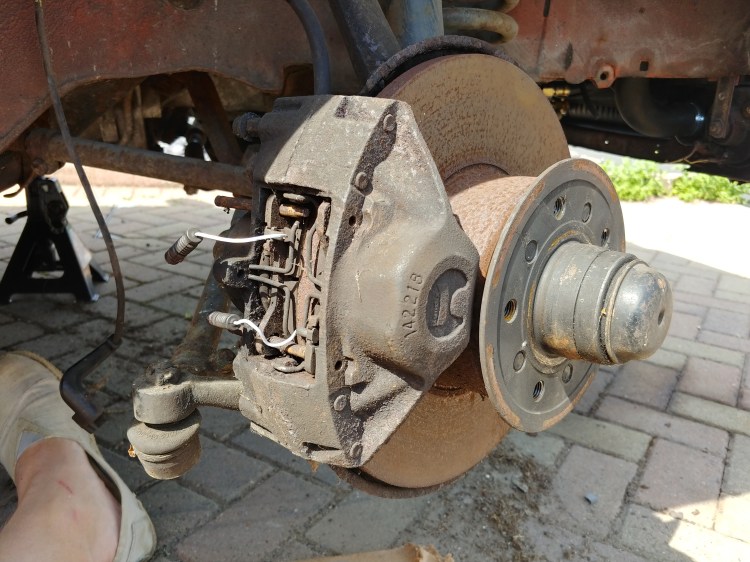
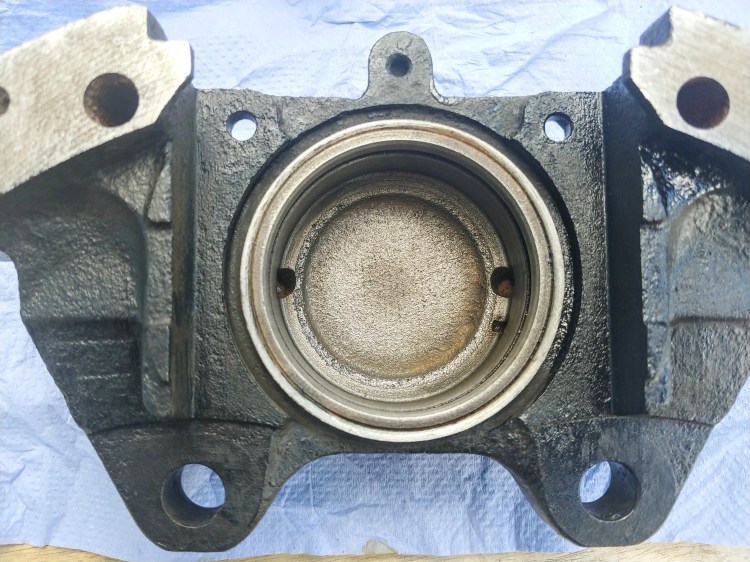
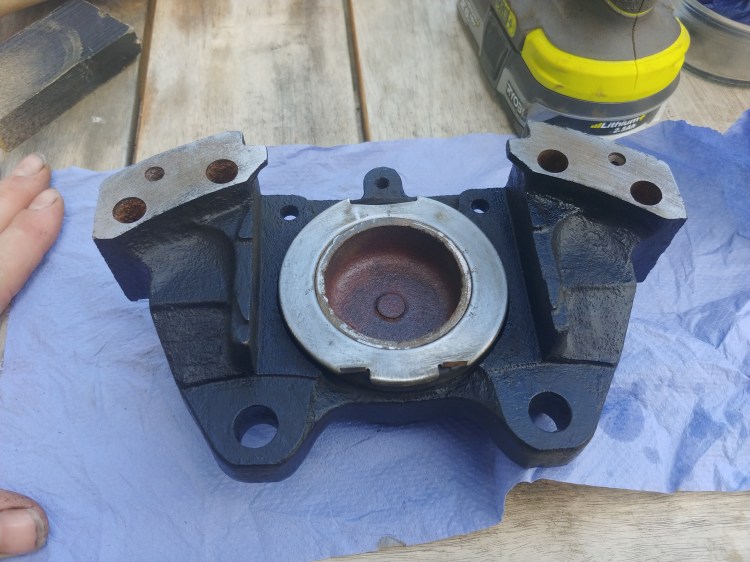
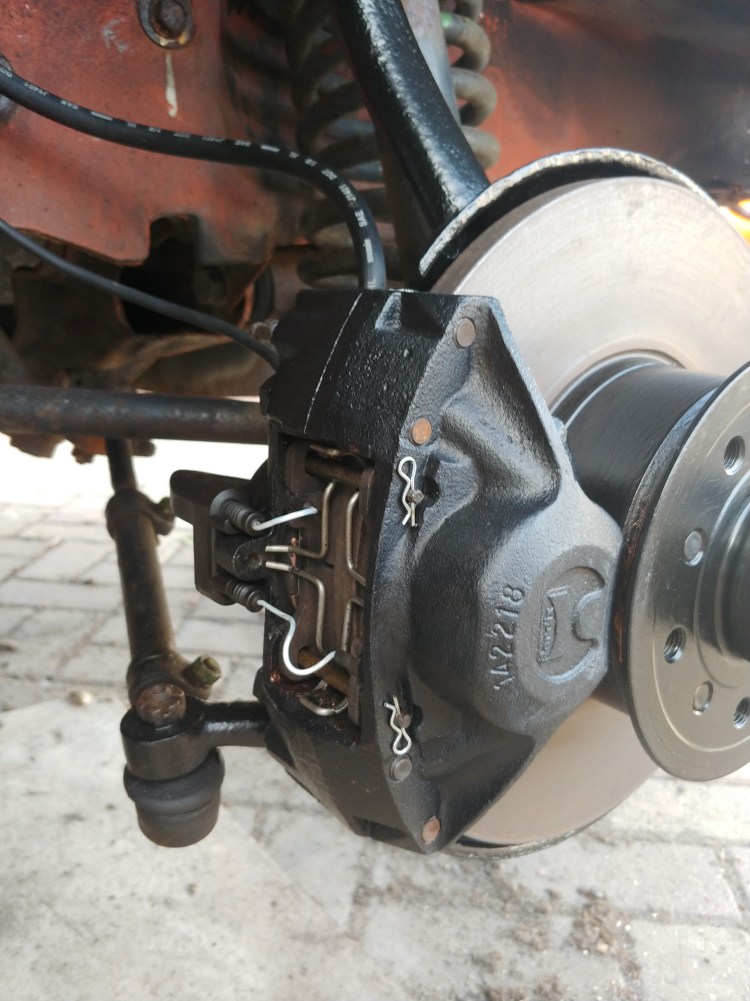
Under first inspection the calipers were rather dry and crusty and full of crud, there was all sorts of detritus stuck in with the pads and the brake discs had a fairly heavy layer of surface rust. It was going to need more than a hose down, so off they came.

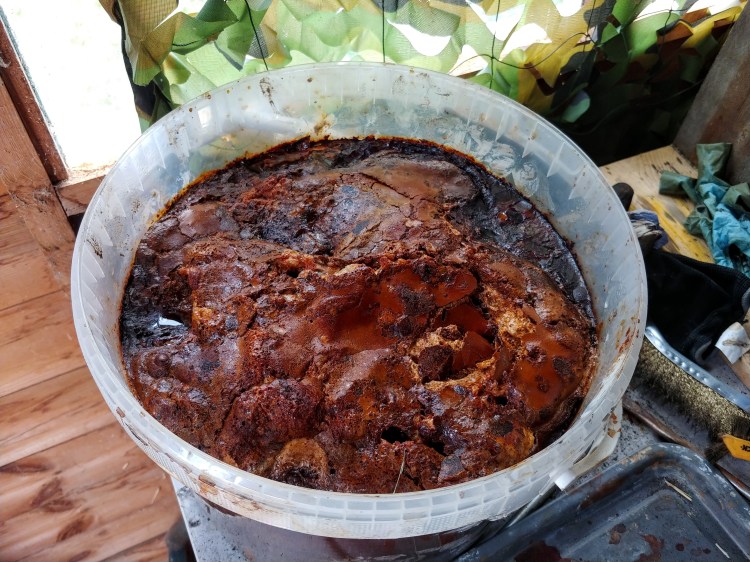
I decided to give the calipers a full strip down and let them soak in vinegar to clean them up. It is not a quick way to break clean away rust but I knew it would be a few weeks before I had time to do any more so leaving them to bathe for while was the easy solution.

When stripping down the calipers the pistons came out easily by hand and were in good condition with no signs of rust or pitting. It seems like they were actually in good working order, nowhere near as bad as I thought and just needed a good clean up, but they were already in pieces so in for a penny, in for a pound.

After about three weeks a thick rust coloured crust had formed, a good sign that it was working.

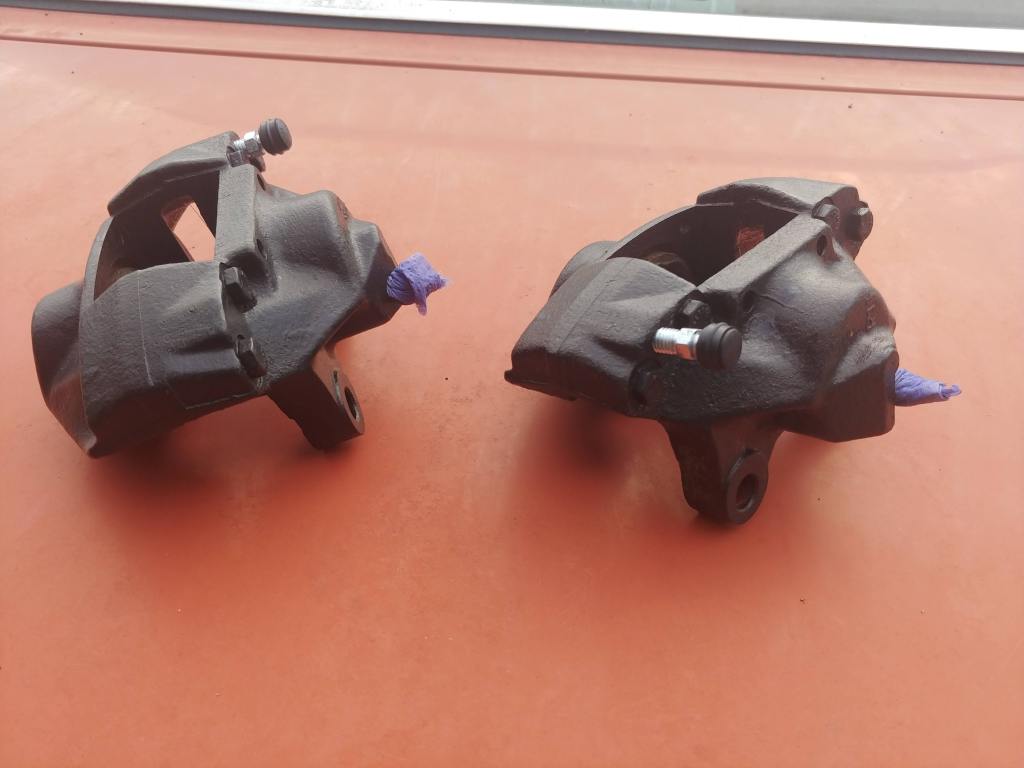
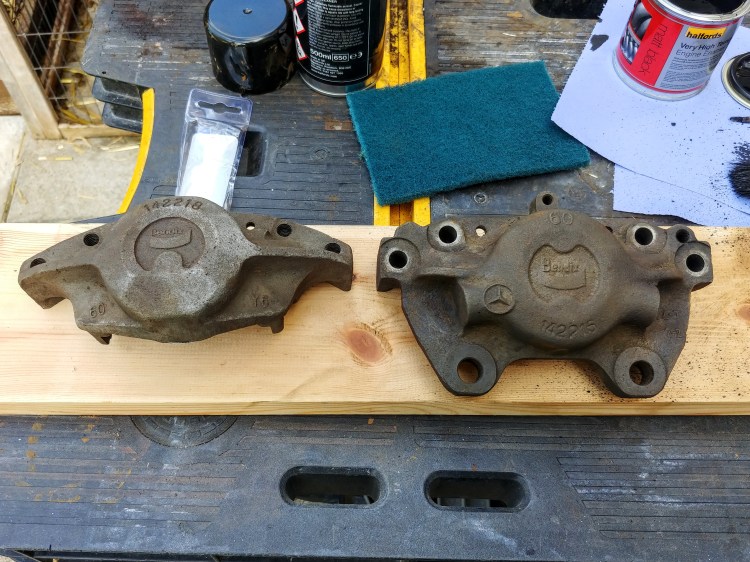
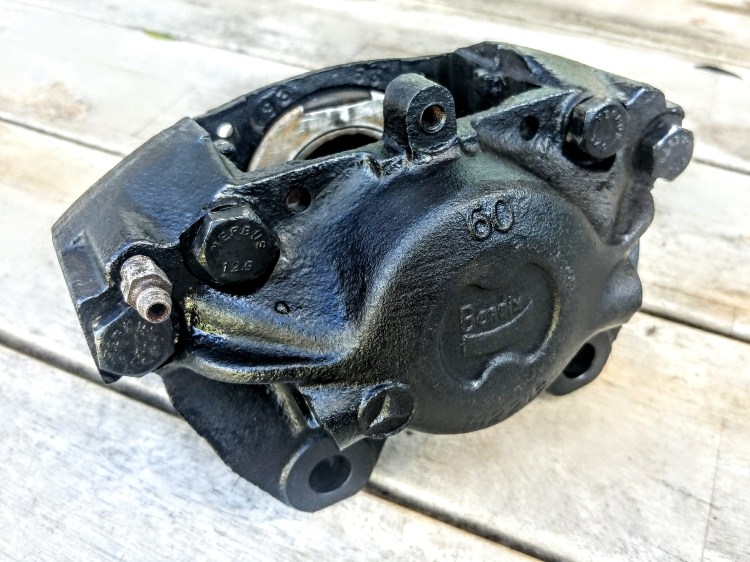
After a quick wash down the caliper bodies were back to bare metal and looking as good as new!

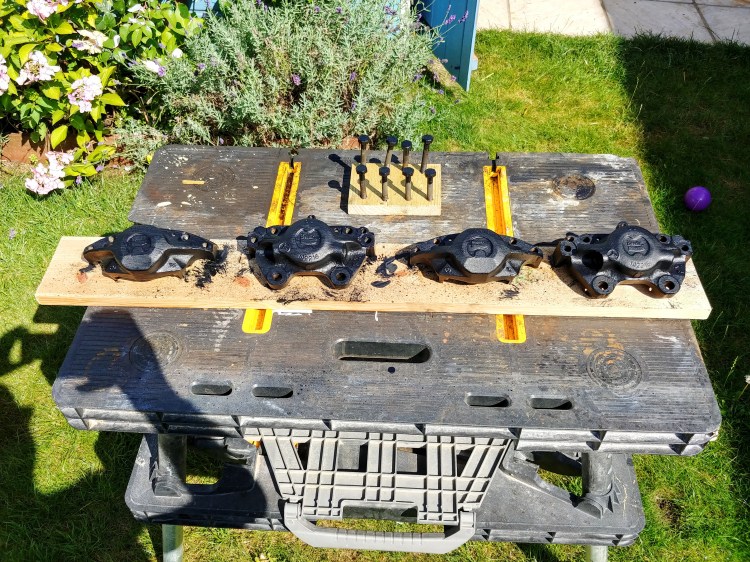
A lick of high temperature paint later and reassembly and they look just as good as they would have 40 years ago.

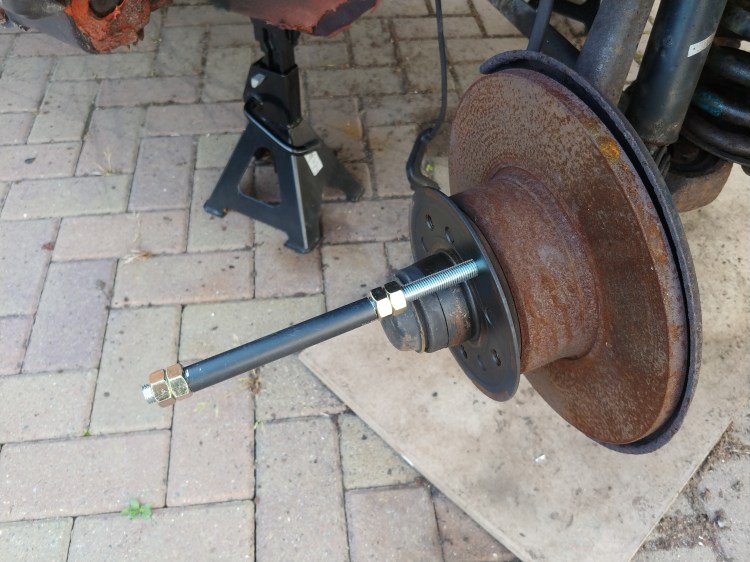
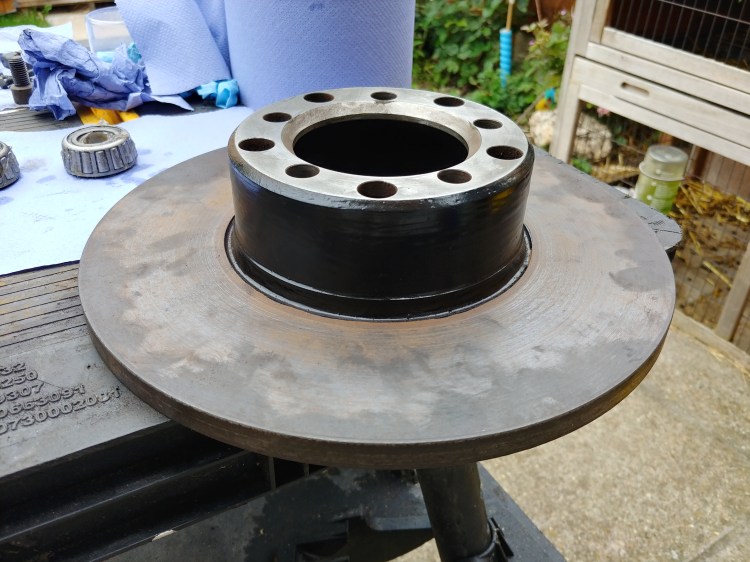
The next job was to clean up the brake discs. A length of threaded stud, some tub and nuts came together to make a nifty little handle that I could screw into one of the wheel bolt holes and use to spin the discs. Then is was just a simple case of holding some emery paper to the discs while turning. Job done.

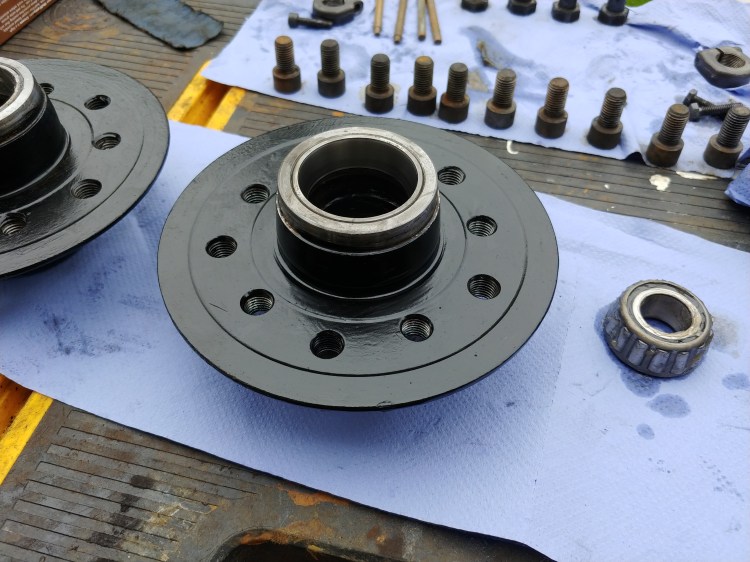
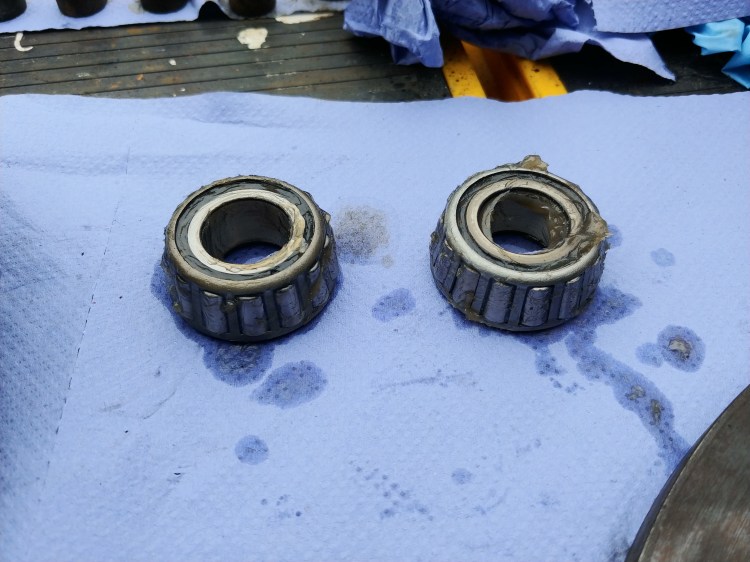
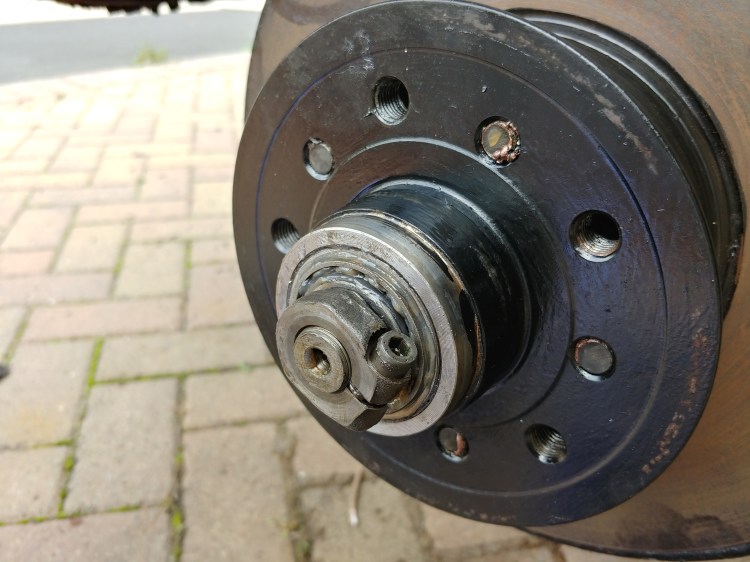
Having stripped down this much, it made sense to go a bit further so off came the hubs. Everything was cleaned up with a wire brush and painted with hammerite. The old grease was flushed out of the wheel bearings which were then re-packed before the whole lot was reassembled.

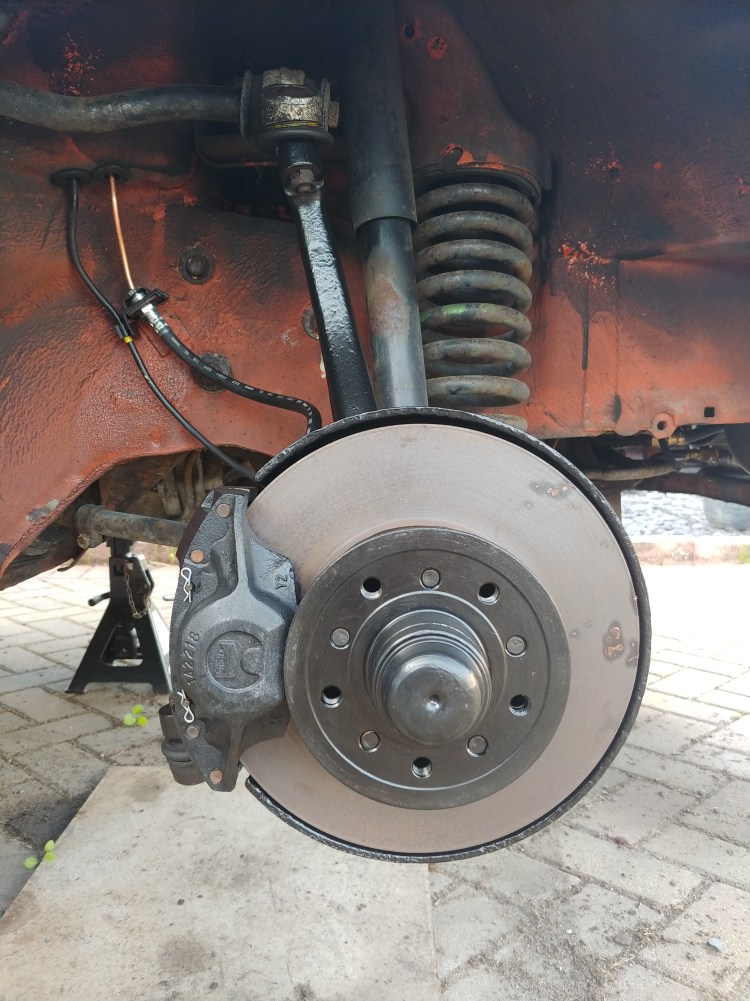
Finally it was time to re-fit the callipers along with new flexible hoses of course.

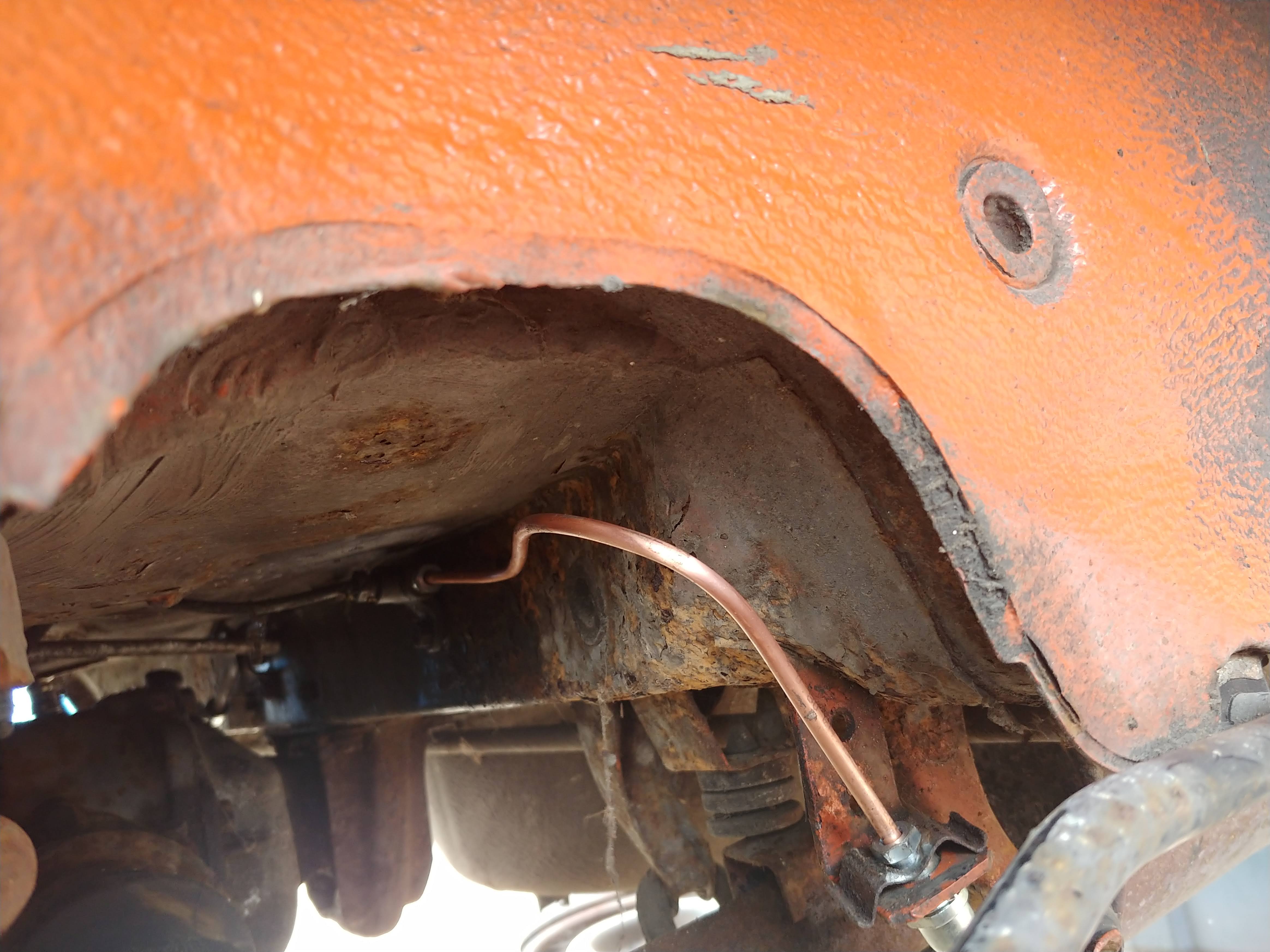
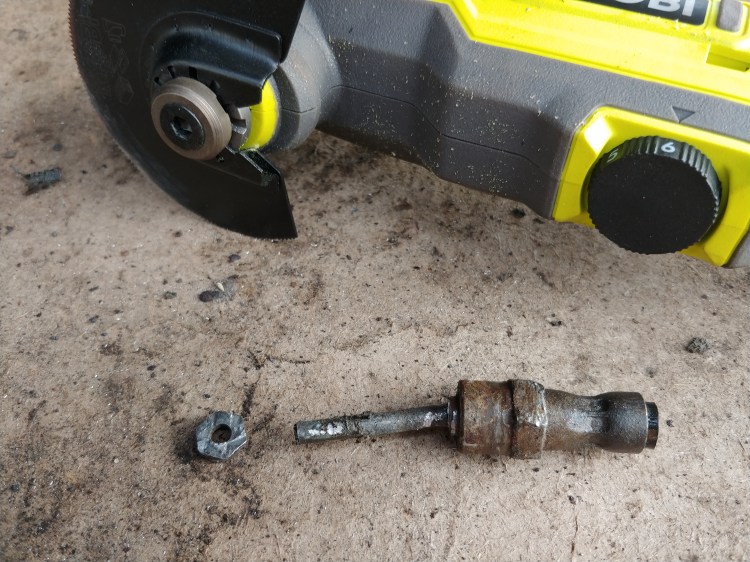
The passenger side was straight forward, but on the drivers side nut of the rigid line was well seized into the flexi-pipe. I made a right meal of it and rounded the nut to the point it could never be reuses, so at that point it was time to resort to power tools to cut through the nut. Fortunately this pipe is short and easy to install so a new one wasn’t going to be the end of the world.

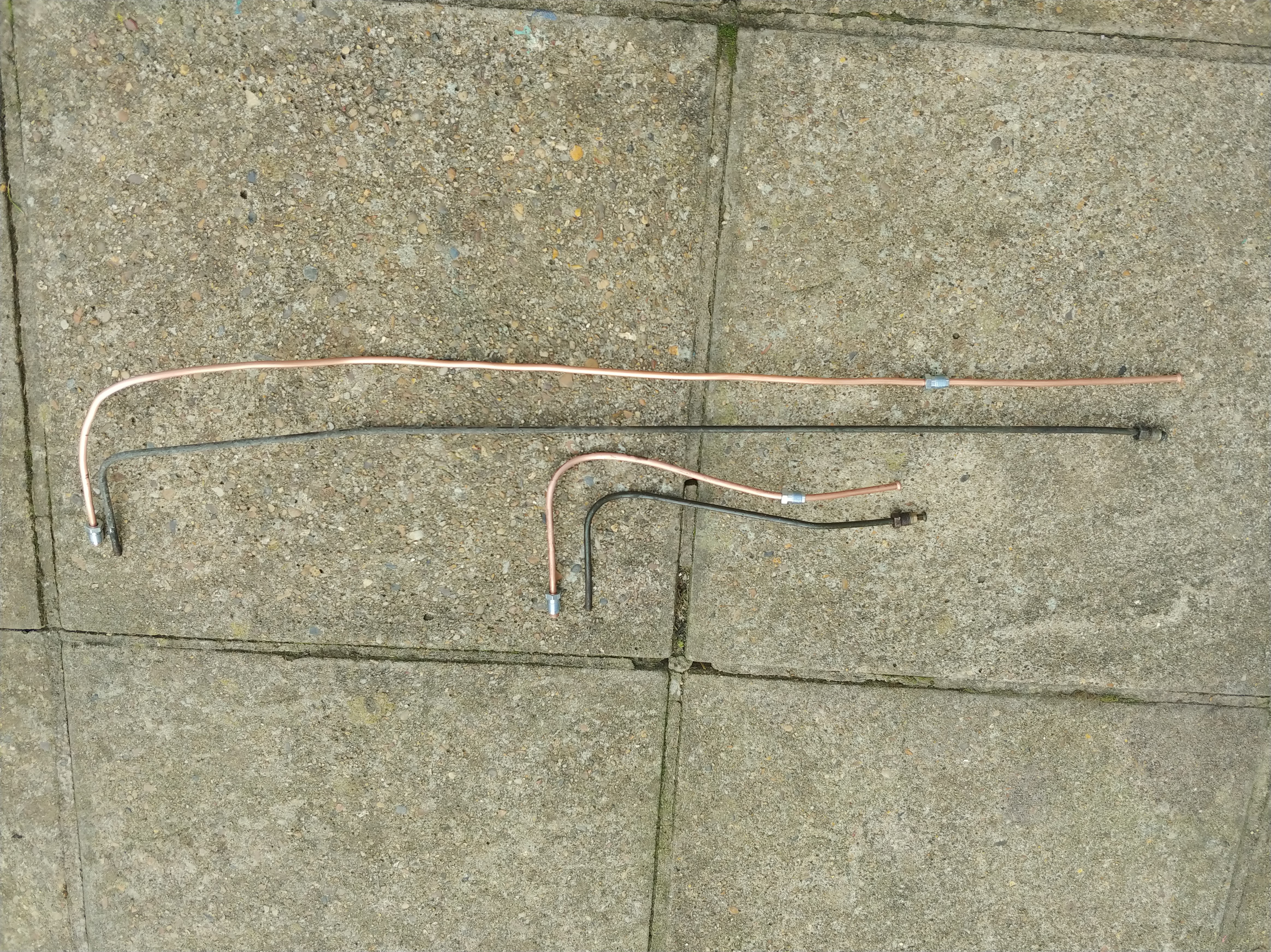
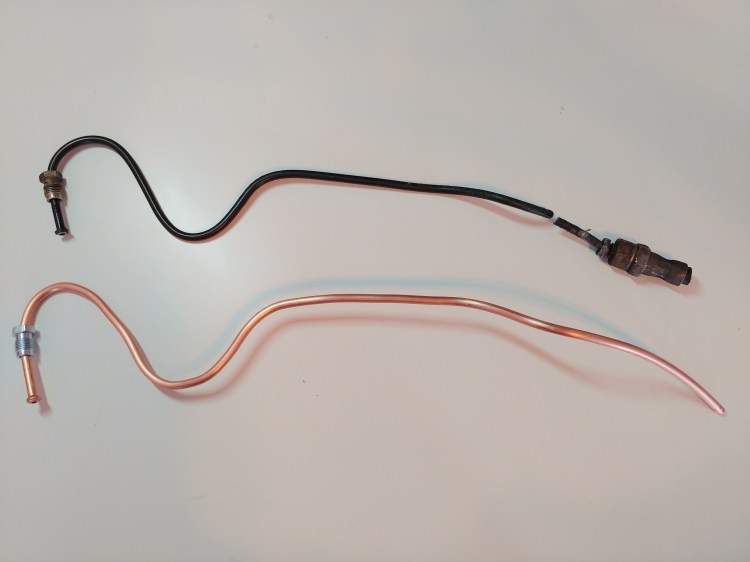
I tried to cheat by using a pre-made brake line, but the one I was sent was far too long and needed to be cut down to length anyway, so not quite as straight forward as I had hoped.

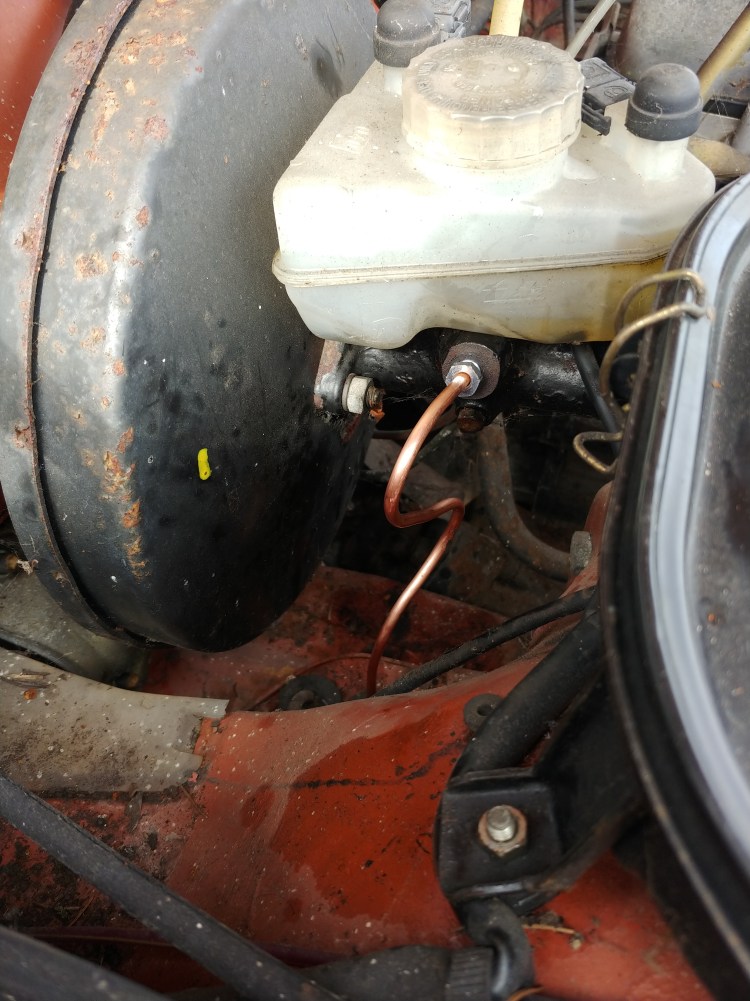
Below the old and the new. I deliberately left the new line longer so that I could trim it in situ and without the flare and nut it would pass through the original grommet in the engine bay without damaging it.

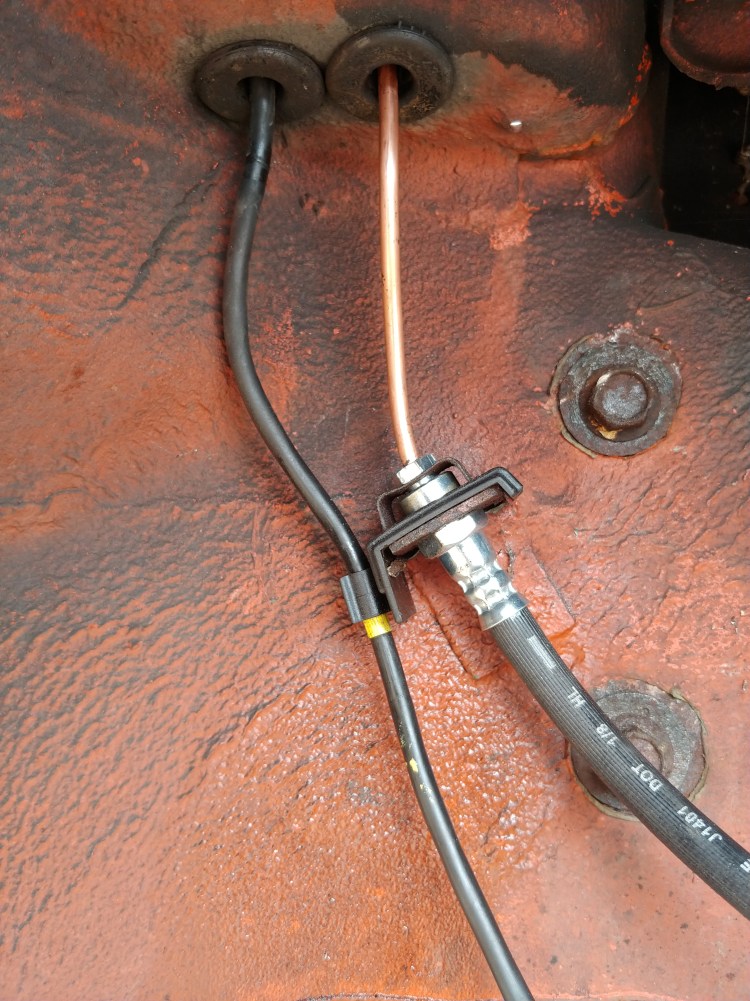
And there we have it, the new brake line in place, connected up to the new flexible hose and the refurbished caliper. This was my first time flaring a pipe so I will be sure to check this connection thoroughly for leaks when I come to bleed the system, but I am happy with how it is all coming along.

And finally, the car back down on all four wheels for the first time in months. Not that it will last long, time to move onto the rear brakes next!

If you want to see more progress updates, don’t forget to subscribe!
Engine Cooling System Overhaul – Part 2

At the end of my last update – Engine Cooling System Overhaul – Part 1 – you may remember that all my hard work had been thwarted by a tiny little pinhole in the radiator. Finally it is time to address that and finally tick off this part of the restoration as complete.

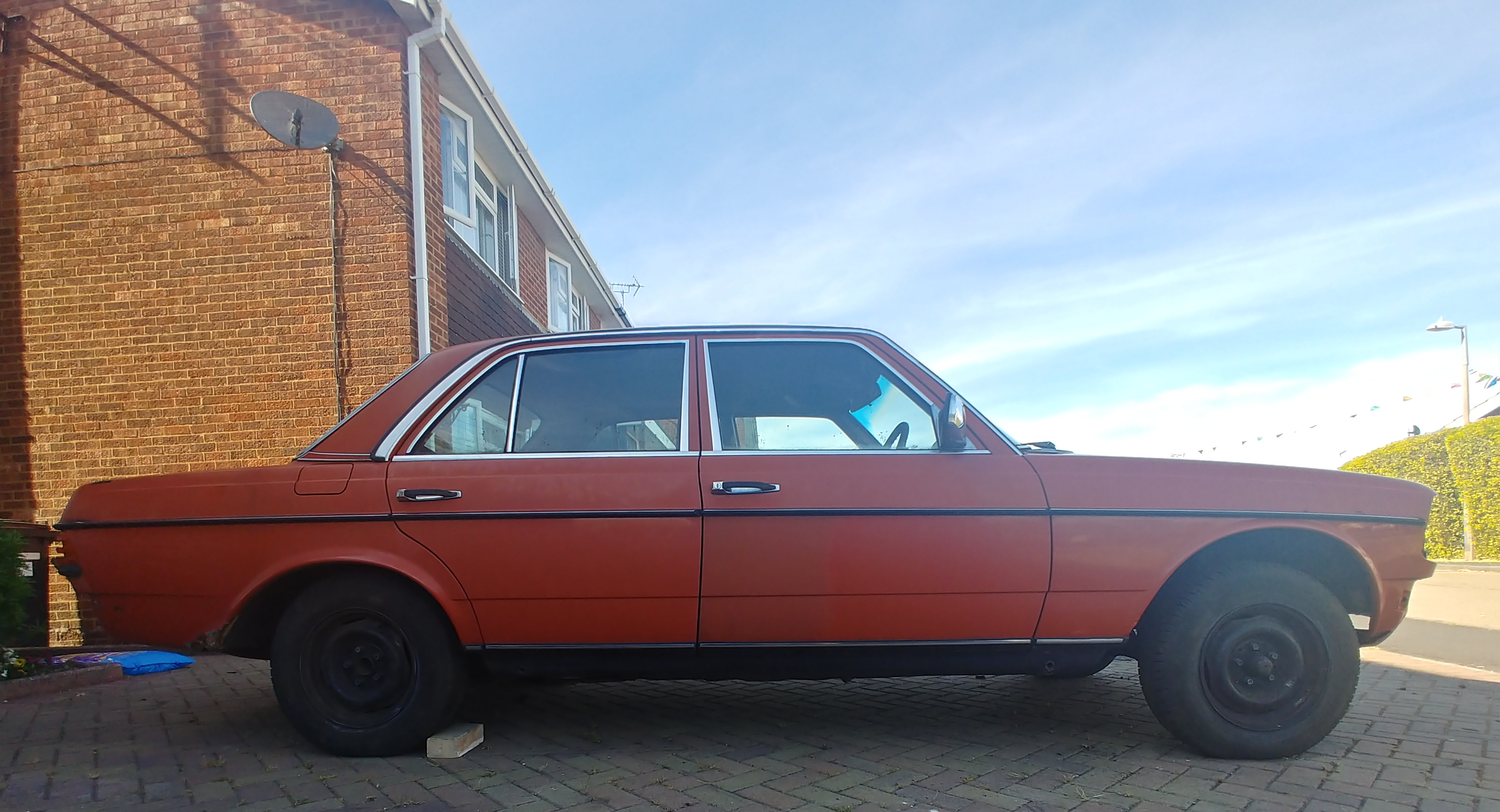
But first up, I picked up a set of part worn tyres from my local tyre centre, too long has this car been sat still with nothing but rotten rubber the only thing separating the rims from the ground!

20200520_165020_HDR

It might not have been the most crucial job at this time but easy wins are good for motivation, and to paraphrase my wife – “it makes it look like we have a car on the drive, instead of a rusty old skip”.

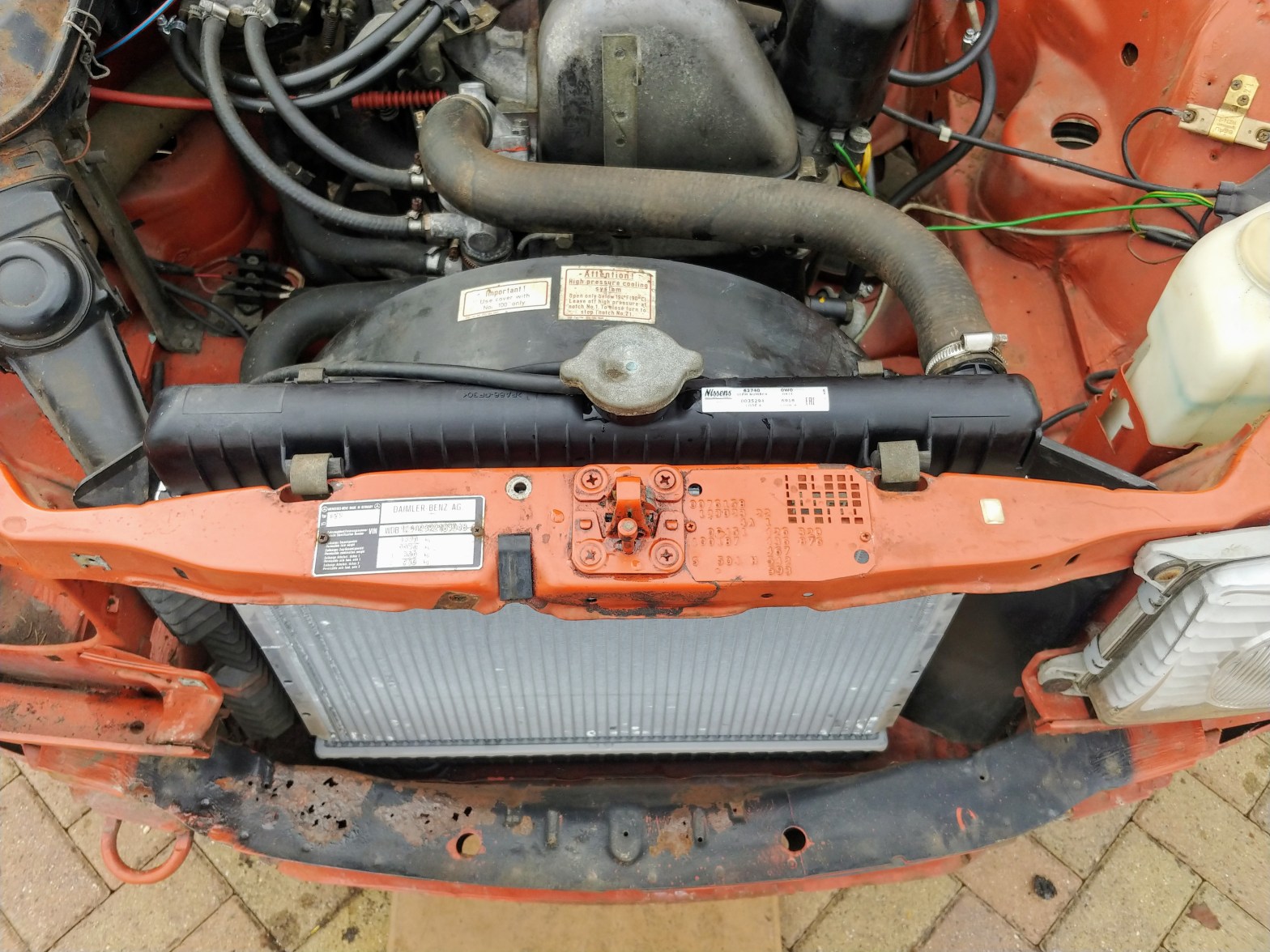
Back to the main purpose of this update, a new radiator. A bit of research suggested that Nissens radiators are a good cost effective replacement and are close to OEM quality, at a fraction of the price of a genuine new Mercedes item, so that much was easy.

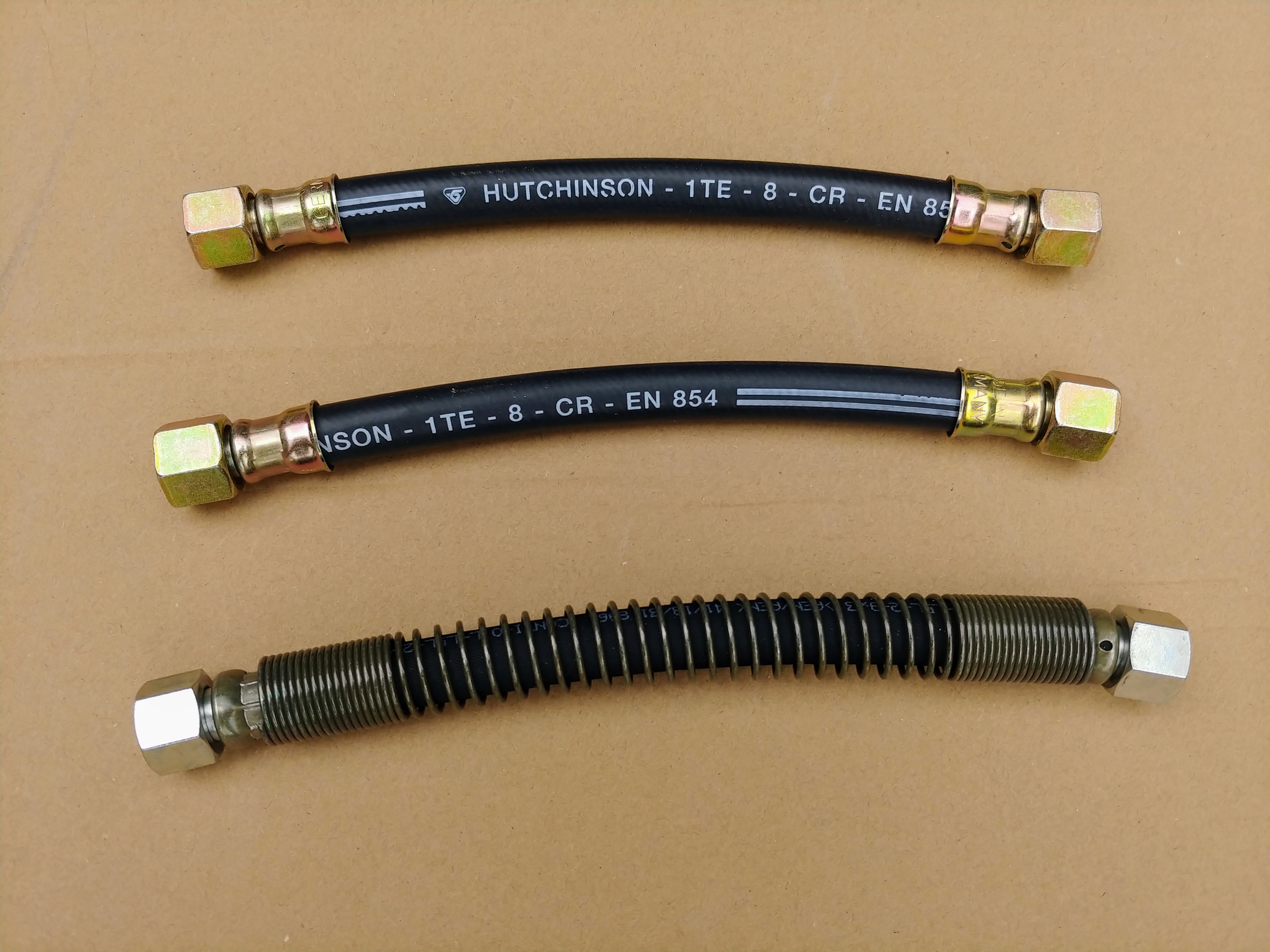
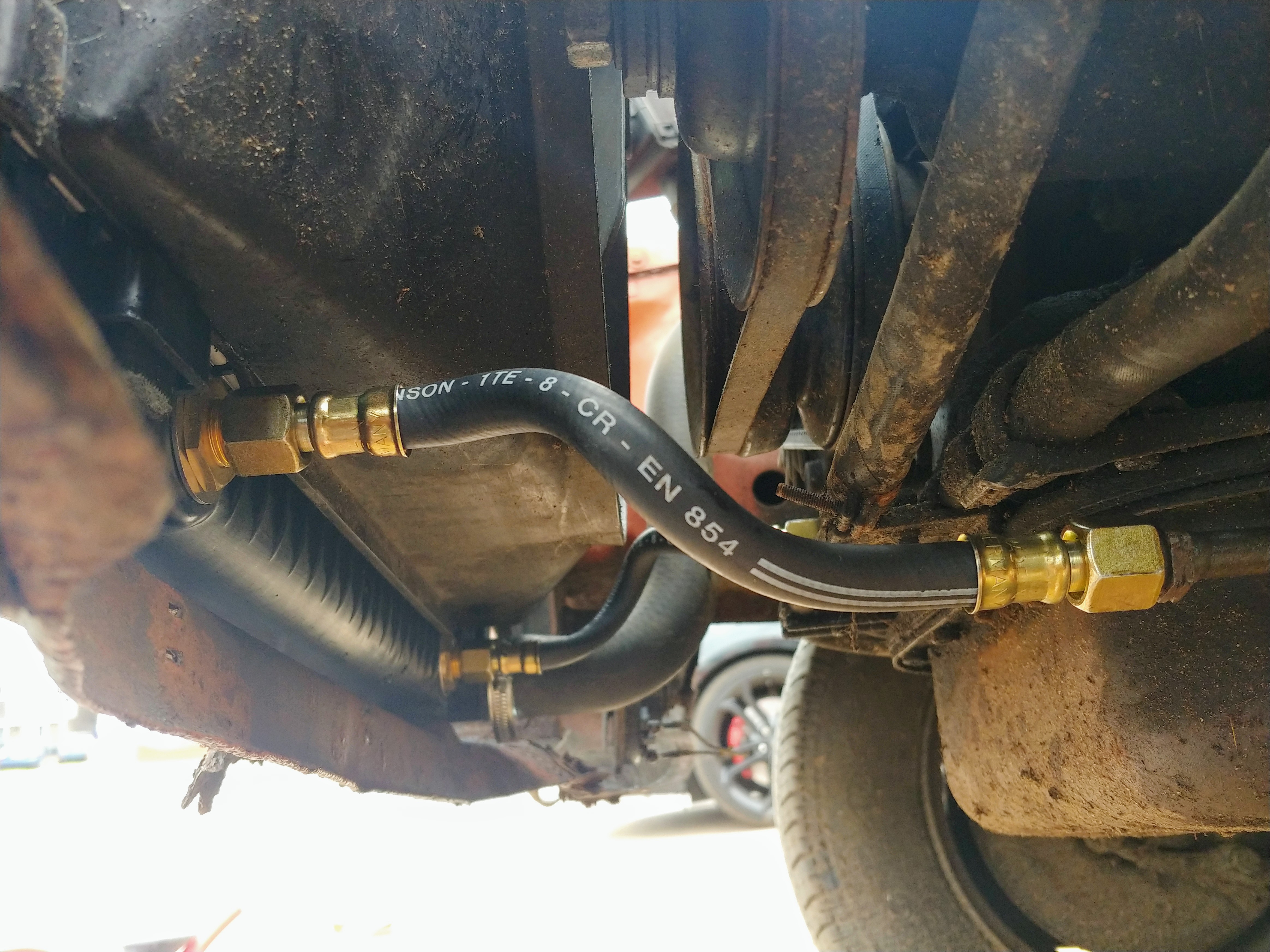
What was tricky was sourcing a pair of new automatic transmission fluid hoses – these are the two ~6 inch long hoses that connect in to the bottom of the radiator of W123’s with automatic transmission. Searching online for these only brought back results from the USA and although not expensive, shipping costs and delivery time is more than I am used to, but they were necessary so what can you do?

A couple of weeks after ordering a pair of these hoses listed on ebay, I get an update from the seller apologising that they only had one left in stock, despite having long since been notified that they had been dispatched, but it’s OK, they were refunding me half the cost. [Roll eyes]

There is not much I can do with just one hose and I was reluctant to order another from the states with the long shipping time, so back to the search. Anyone looking for parts in the UK will probably have come across the many different yet strangely similar online parts companies, and despite having .co.uk websites they all seem to ship from warehouses in Germany. This is not necessarily a bad thing, my previous parts has come from one of these companies and the service has been fine, with delivery much quicker than from the states at least! The trouble is when searching under my model of vehicle, it seems these hoses do not exist, the same problem that originally set me off looking further afield. So I started looking at older models that used the same M115 engine, looking for the same hoses but this time for a W115 and jackpot. Turns out there must be a error int the database the parts dealers use and these hoses are in fact readily available in Europe.

20200603_133232_HDR
Shiny new radiator
20200603_132544_HDR
ATF coolant hoses

The image above shows the two new ATF hoses, compared to the one that finally arrived from the USA. They don’t have the additional protection, but neither did the original Mercedes hoses, so that is good enough for me.

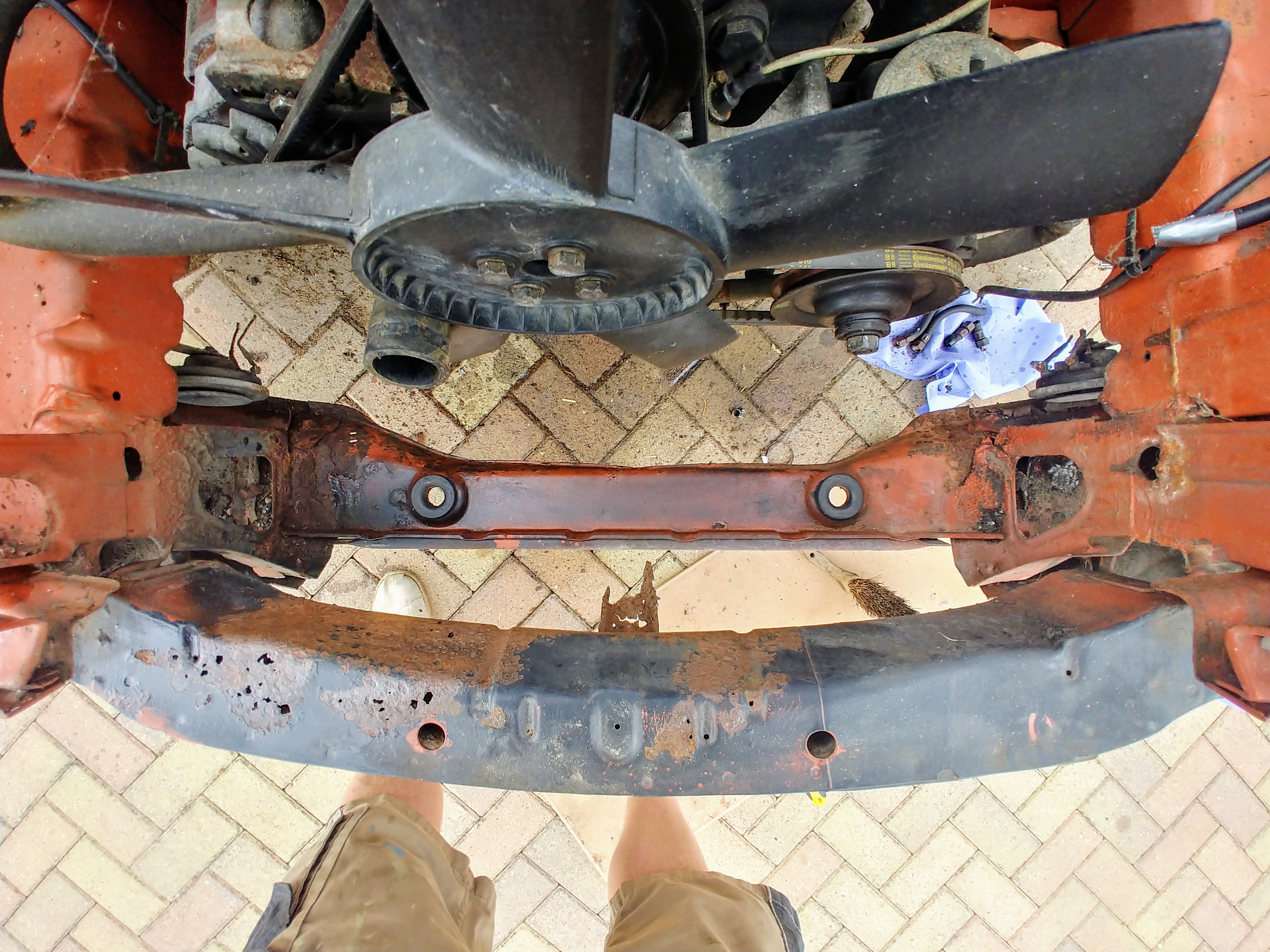
With the old radiator out I gave the area a clean and noted a few more areas of rust. Another problem for another day!

20200603_135448_HDR

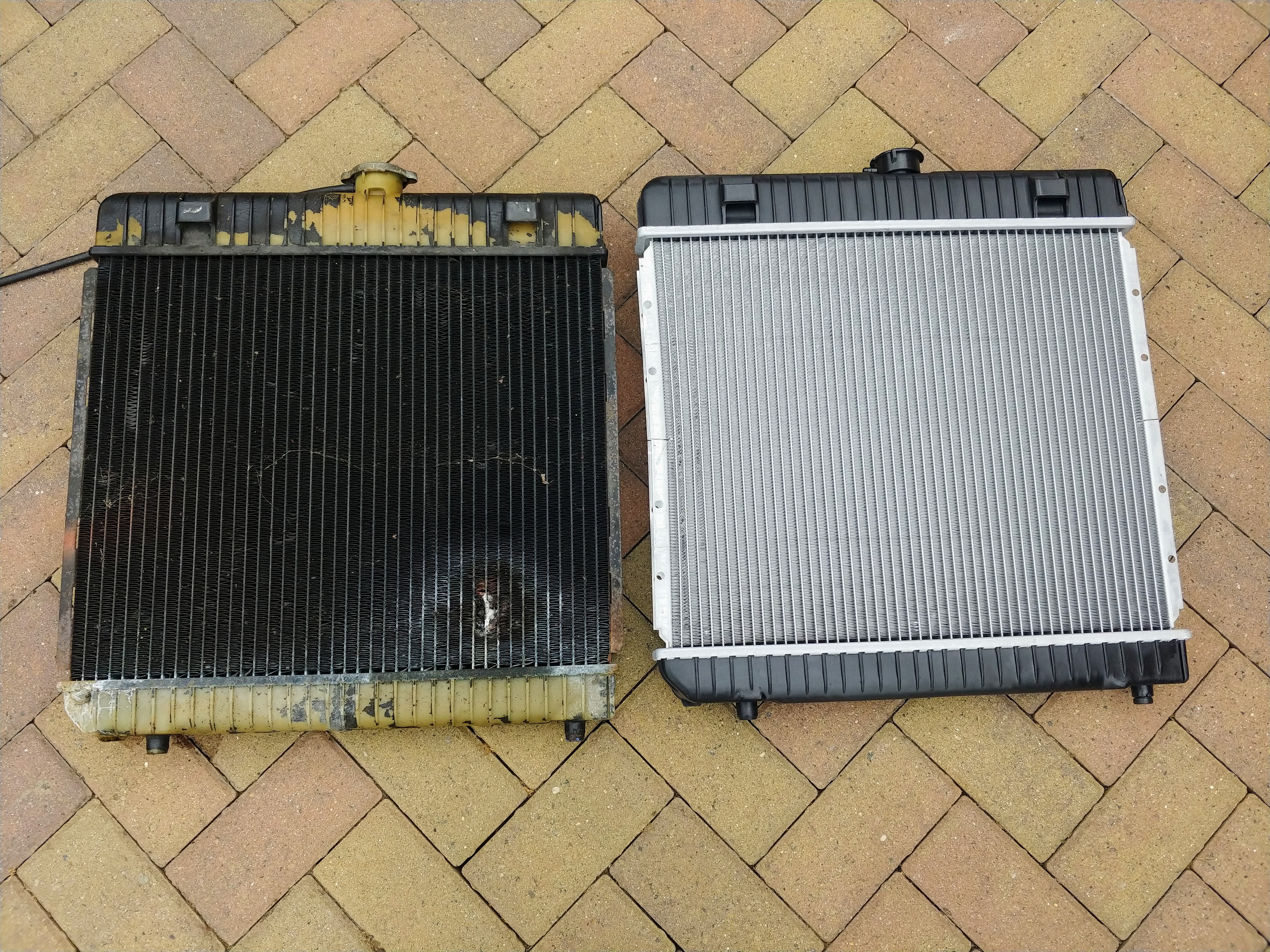
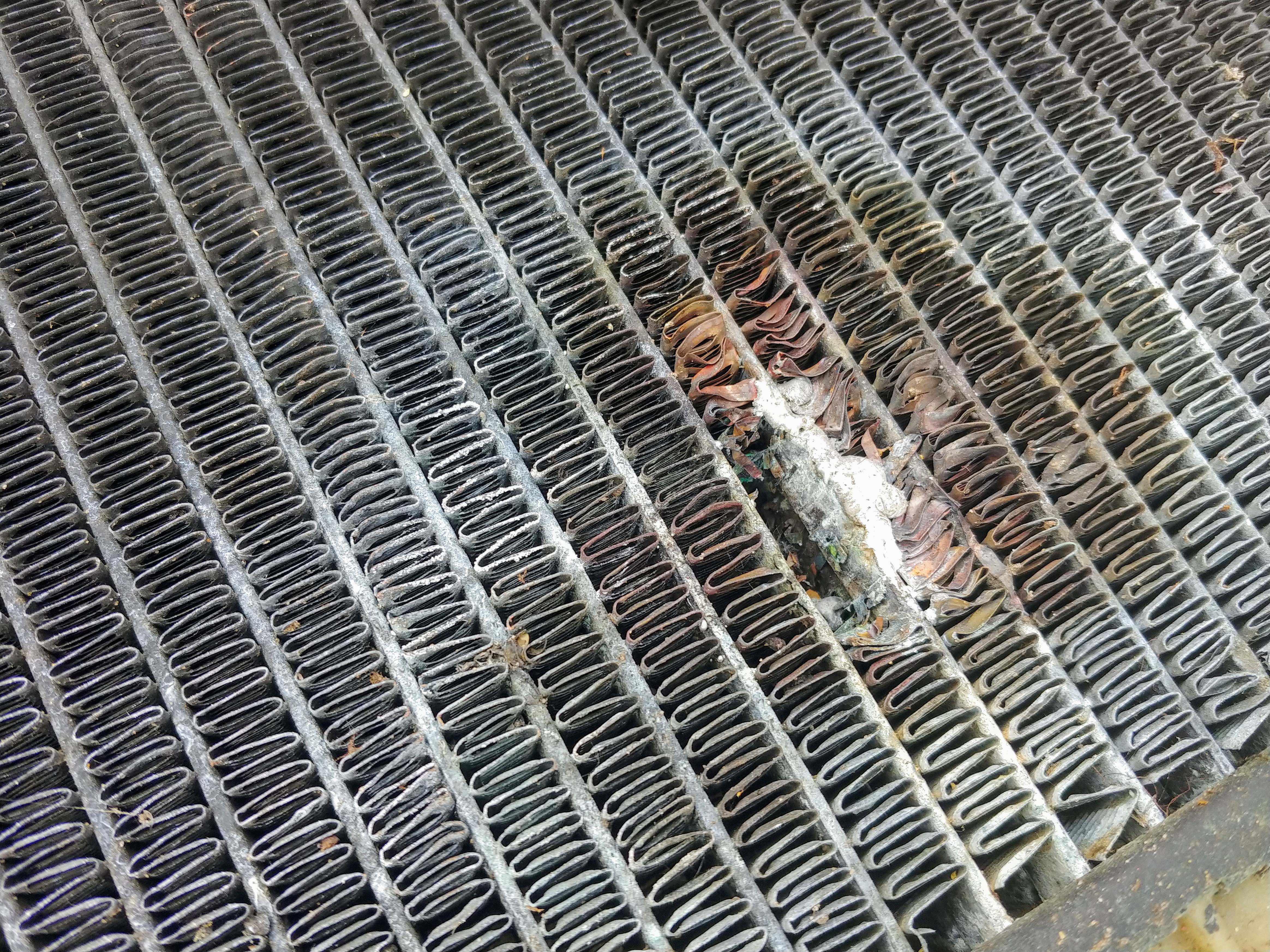
Here is the original radiator next to the new one, can you spot the leak?

20200603_135717_HDR

I had actually attempted a solder repair of the original radiator previously, just as a quick and easy fix. But the aluminium waterways were so brittle that it continued to split and it was quickly obvious that I was wasting my time.

20200603_134750_HDR

But this earlier removal of the radiator did highlight the fact that the ATF hoses needed replacing, something I may not have known until now and would have thrown another spanner in the works when it came to fitting the new radiator.

The rotating nuts on the original hoses were completely seized and removing meant twisting the hoses to the point that they became damaged, they were never going to be re-usable so cutting them was the easiest way to getting them off.

20200603_153612_HDR
New ATF hoses installed

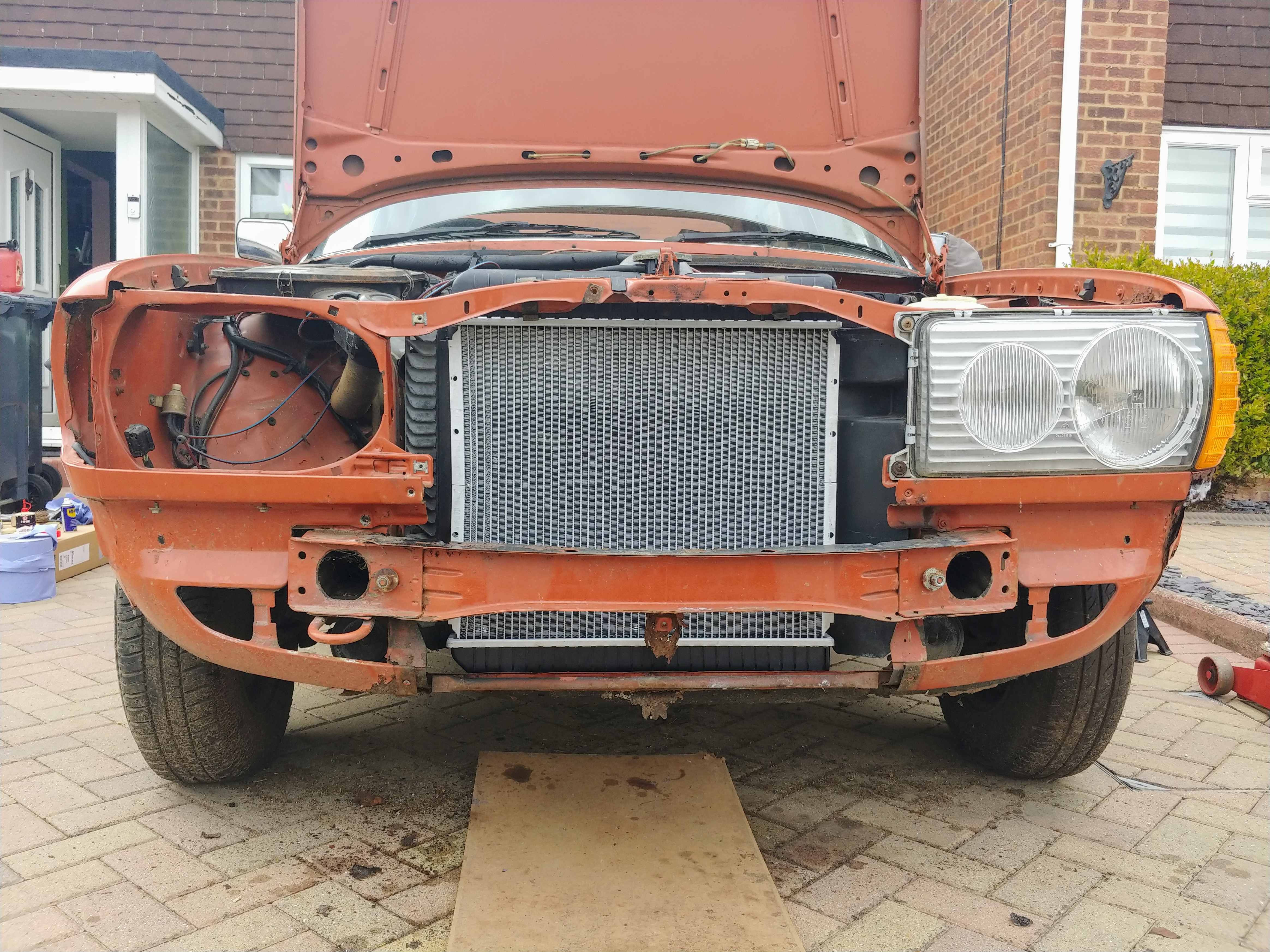
There we have the new radiator in place and the new ATF hoses reinstated. Then it was time for a brew while I handed the car over to my chief jubilee clip doer-upper for final connection of the water hoses.

20200603_152542_HDR

And there we have it, job done.

20200603_154127_HDR

I am pleased to report that finally the overhaul of the coolant system is complete.

While I was at it, I fitted a new fuel hose to the fuel tank outlet and connected up the fuel lines in the engine bay, no more running the engine from a petrol can wedged behind the headlight.

And as if by magic, having a fully functioning coolant system the engine no longer cuts out when it reaches running temperate, fancy that!

Next up I think will be to check over the braking system and then there shouldn’t be much stopping me from getting it back on the road.


If you want to see more progress updates, don’t forget to subscribe!
Engine Cooling System Overhaul – Part 1

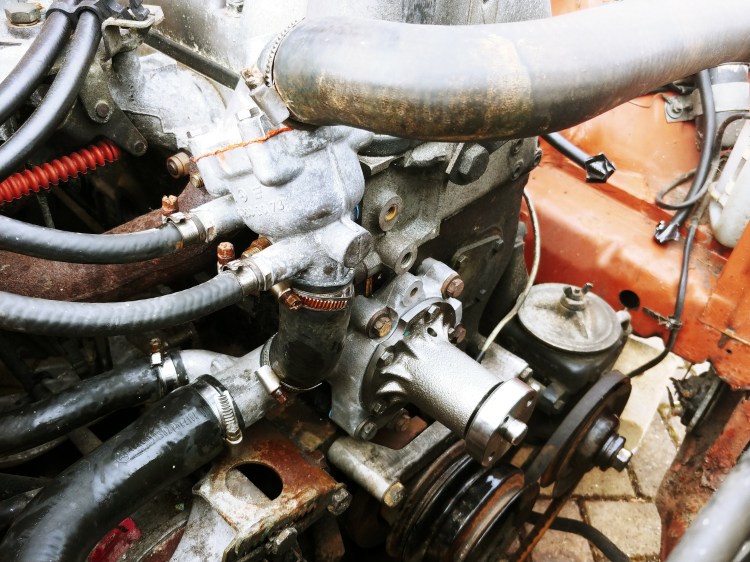
It has been a long time since my last blog post, nearly three months! Back in December last year I got the engine running, briefly, until a burning drive belt highlighted a seized water pump!

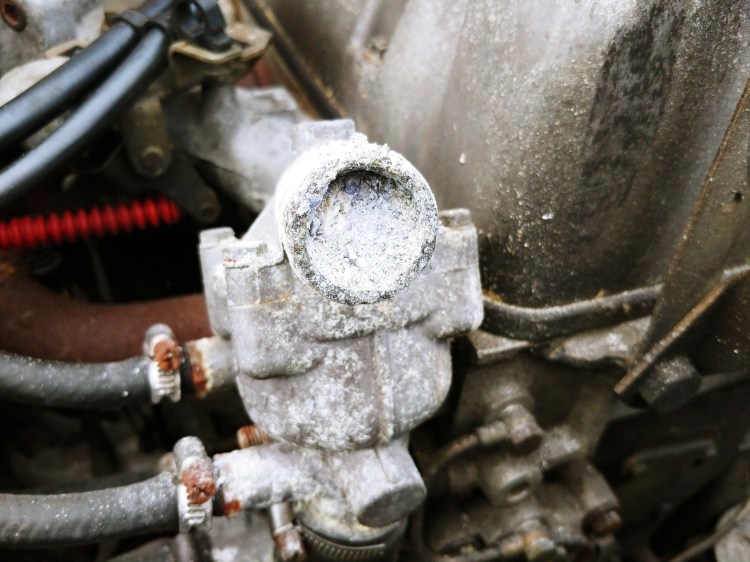
Fast forward a few weeks and I set about removing the water pump. Removing the radiator to thermostat hose and peering into the thermostat housing suggested that things may be a little worse than I expected.

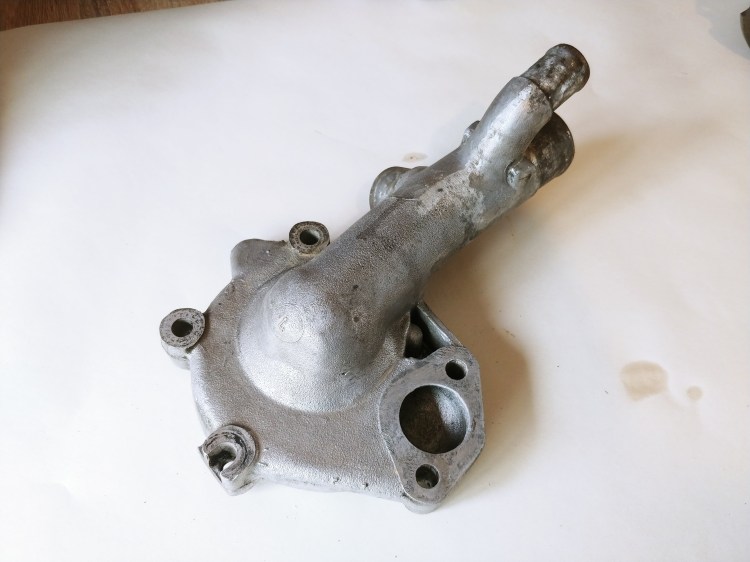
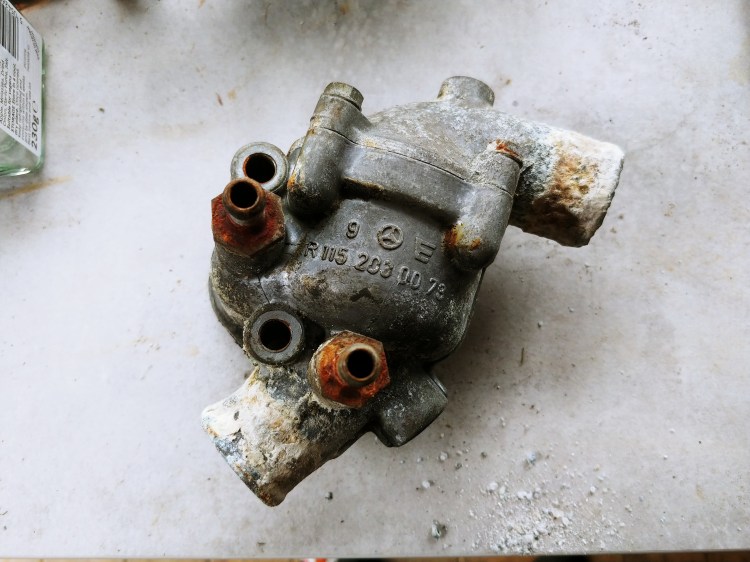
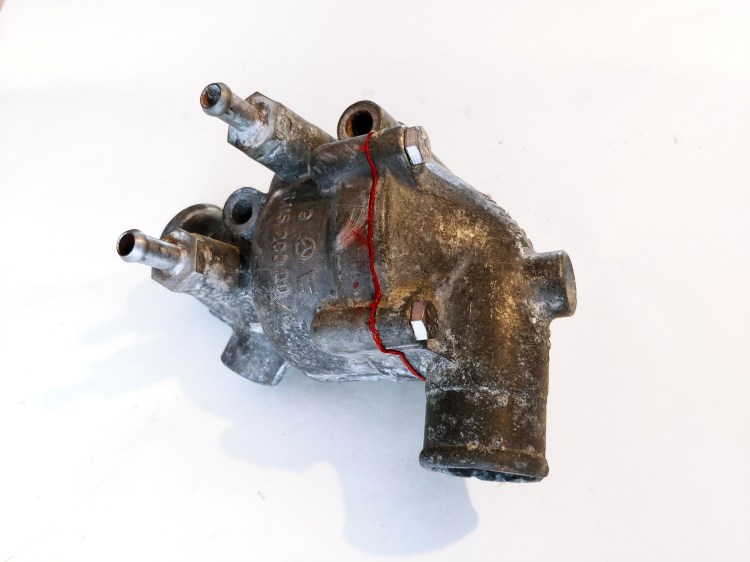
With both the water pump and thermostat housing off of the engine it was evident that the years of non-use had taken their toll. Certainly the water pump and thermostat would need to be replaced, hopefully the housings could be saved, but with the amount of crud that was evidently sitting in the cooling system flushing out the engine block would be on the jobs list too.

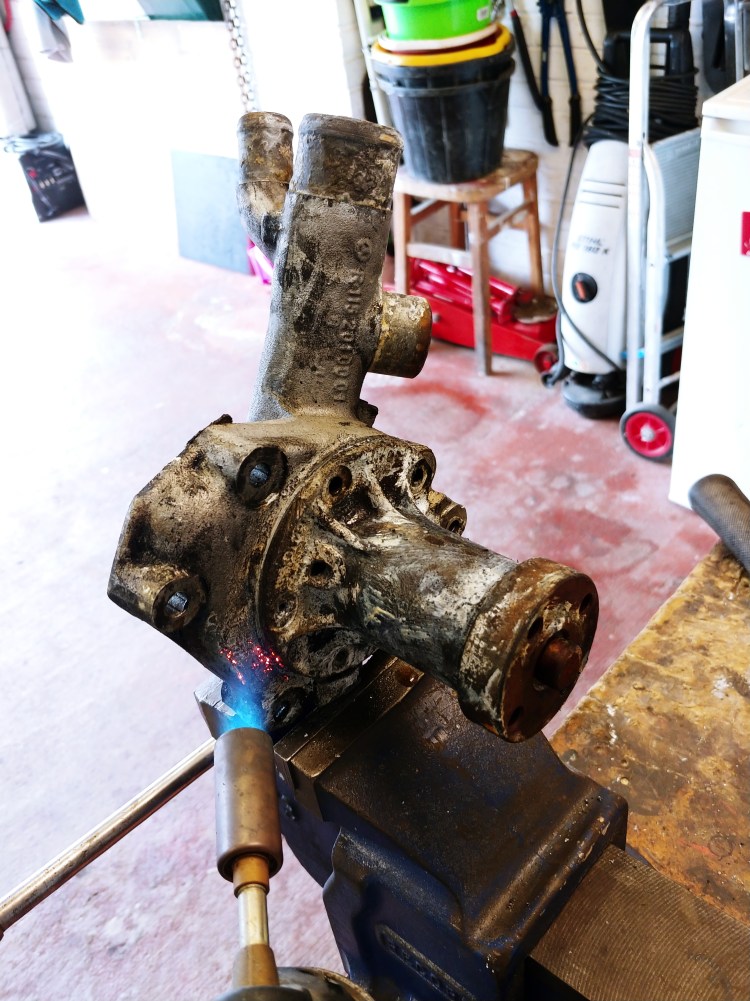
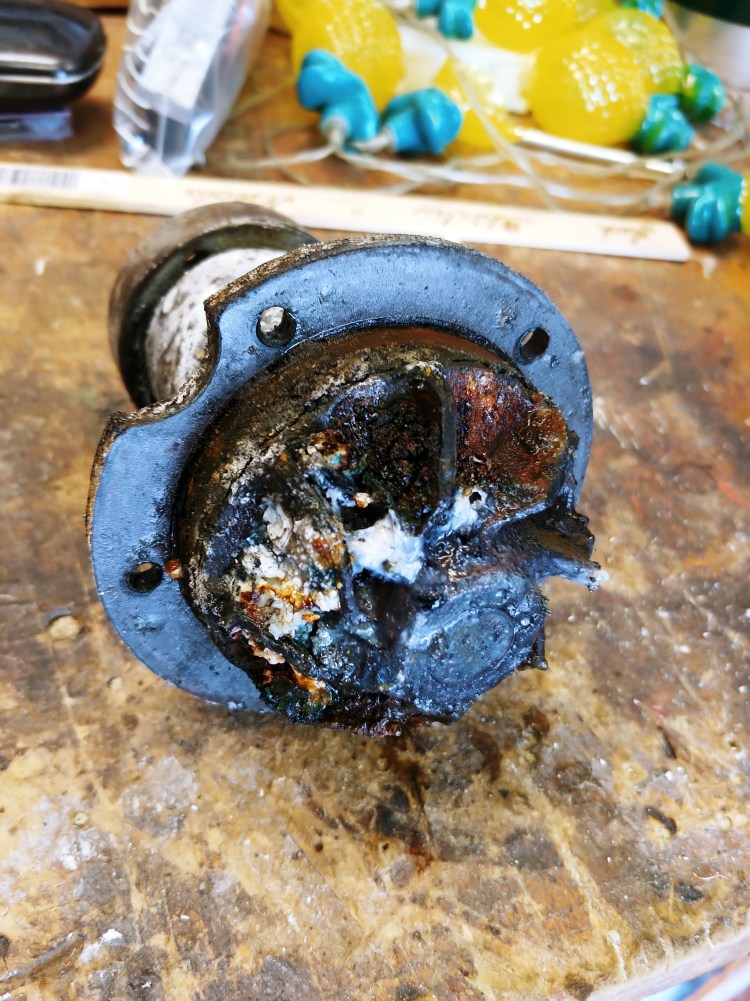
Resorting to using a blow torch to free the old pump from the housing, what I found wasn’t pretty. The pumps wasn’t actually seized as such, but locked solid by a thick crust of corroded aluminium and steel and old solidified antifreeze.

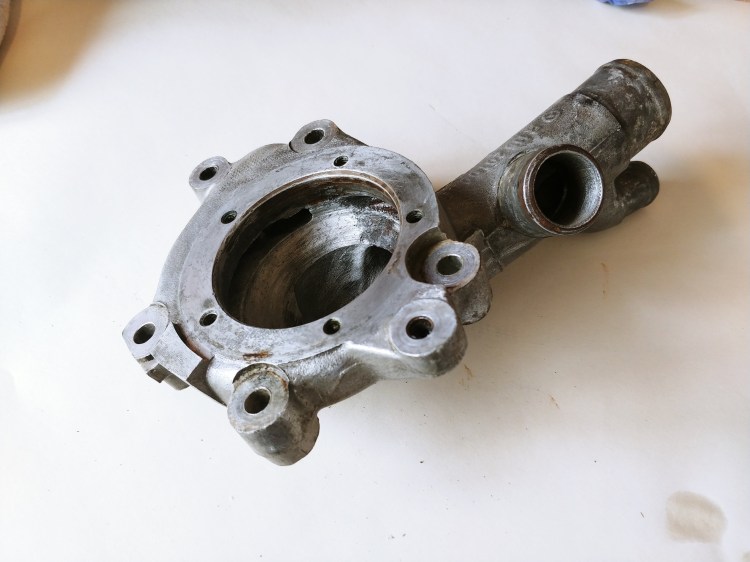
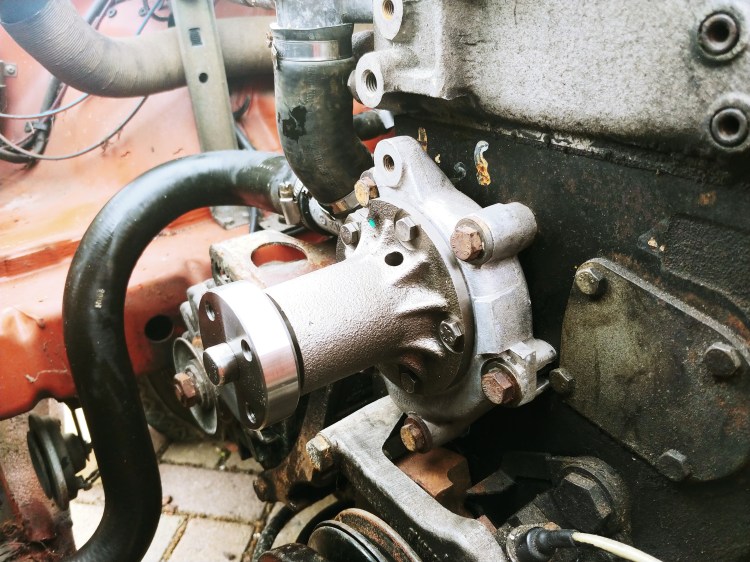
But with a good overnight soak in petrol and a clean out with wire bushes the housing was looking pretty good.


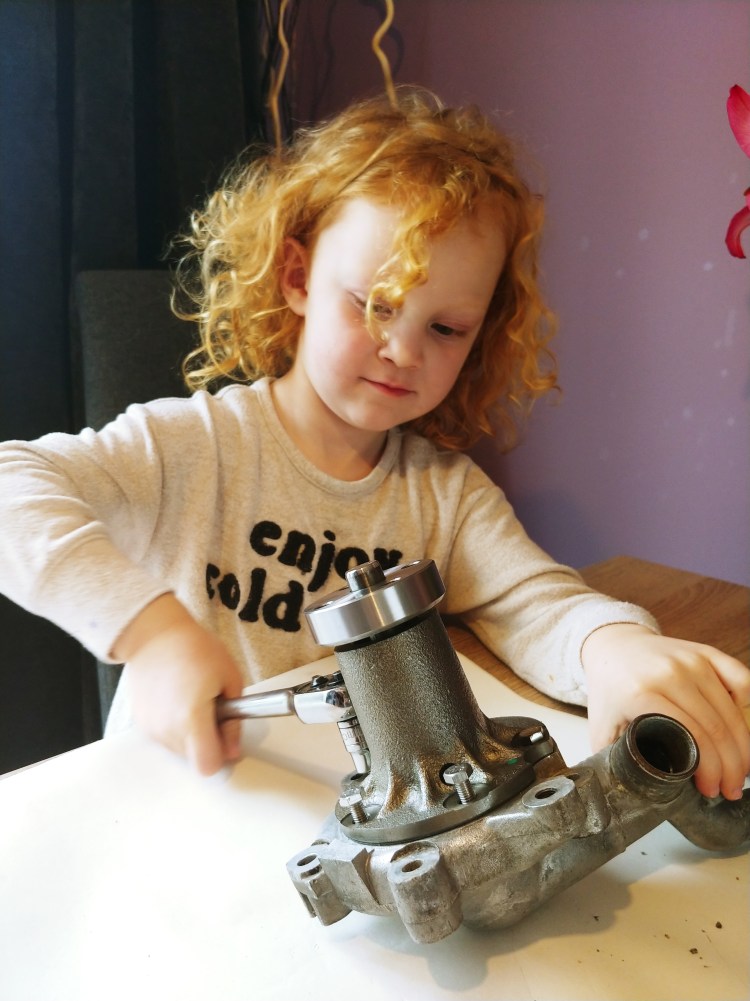
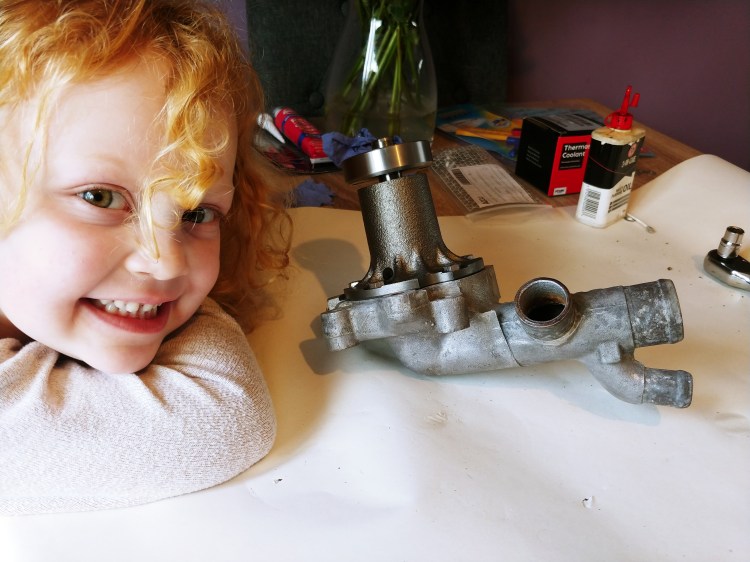
And with a bit of help from spud, the new pump was fitted.

The thermostat was a bit more straight forward. Once the housing was opened up and cleaned out, the new thermostat went in and reassembled. Some gaskets were made up to save the wait on delivery of oem parts.

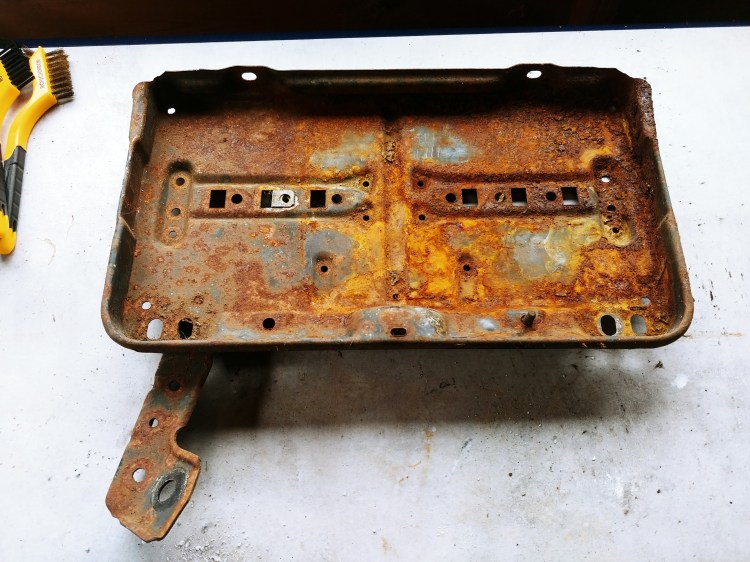
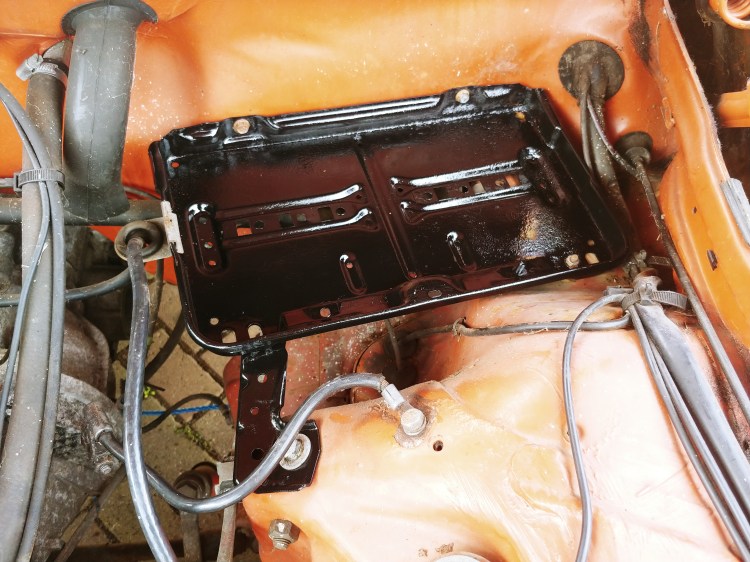
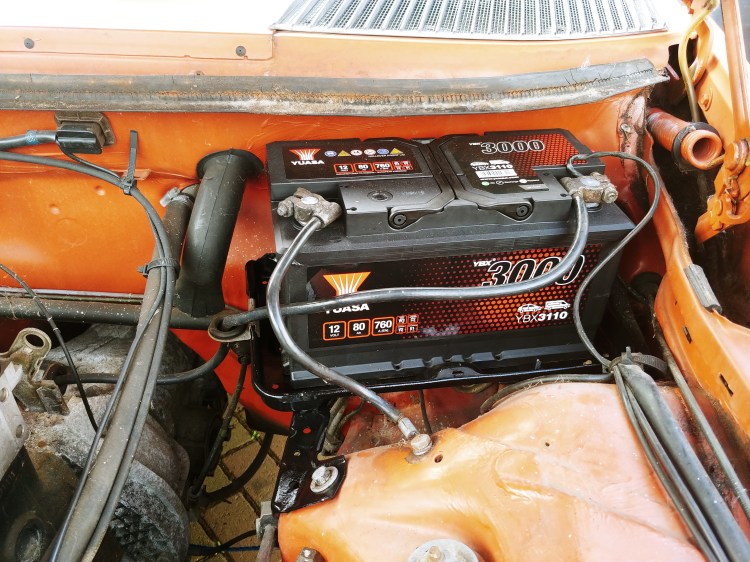
While I was at it, the battery tray was heavily corroded, and with a new battery ready to go in it made sense to tidy this up now. After removing the rust with a wire brush and them some rust remover gel I found that the tray had completely rotted through in the back right corner. Not enough to affect the integrity of the tray so replacement of this goes to the end of the list!

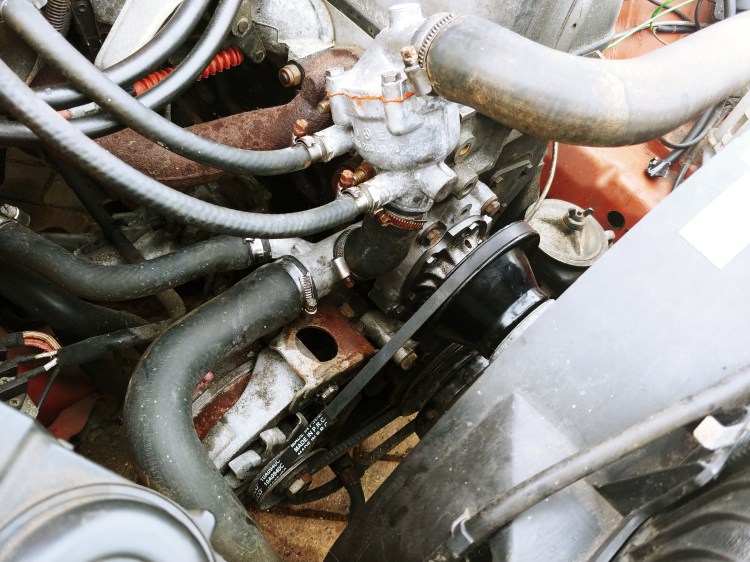
Finally it was time to re-fit the pump and thermostat, connect up the hoses, fit the new alternator/water-pump drive belt, put back the fan and see if this time starting her up would be a bit more successful.

Water pump and thermostat housing back in place.
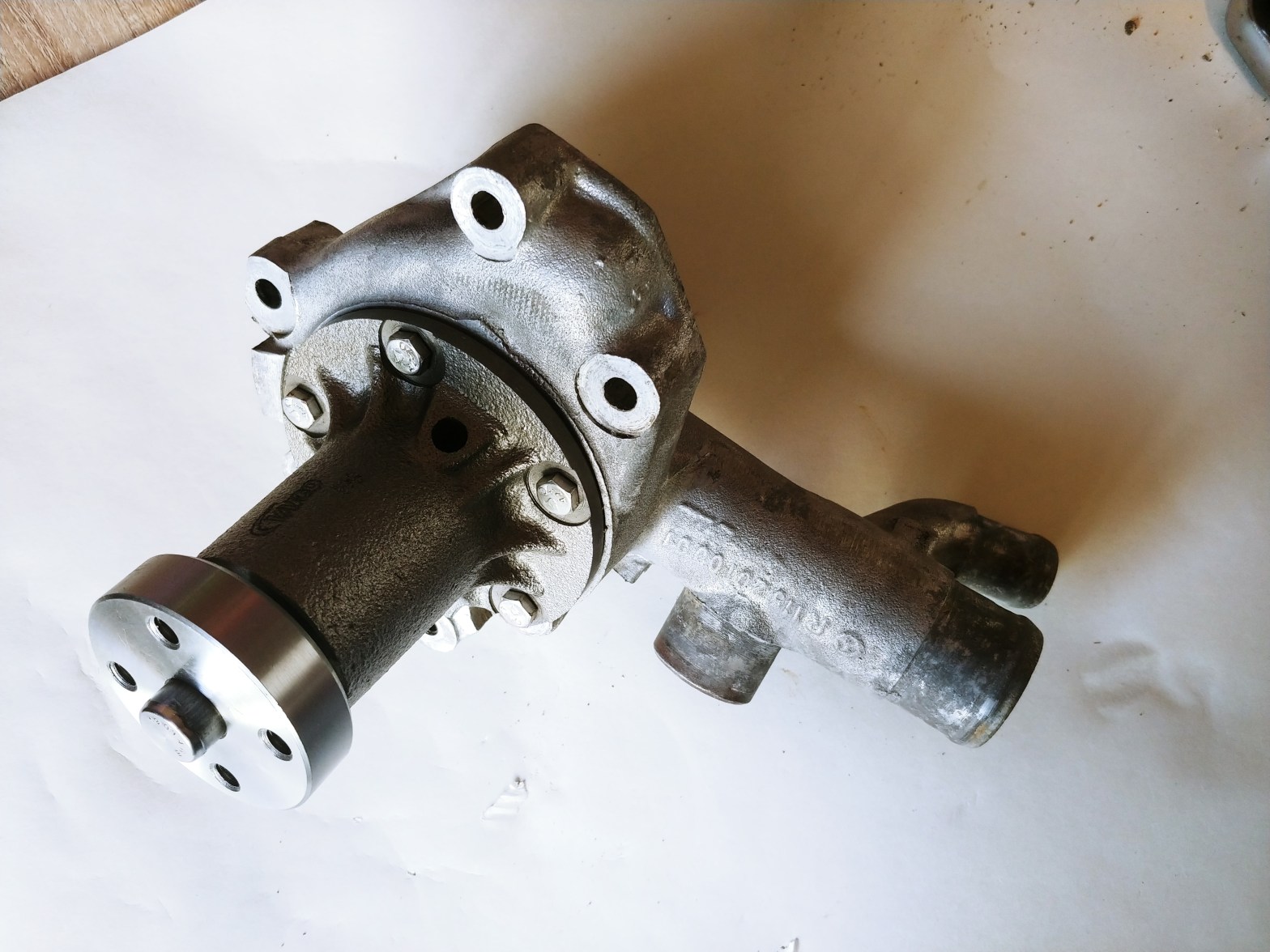
New water pump.
Pulleys and belts reinstated.

And here it is, starting straight up. This makes me happy!

With everything back together end the engine running well, I added some coolant flush and left it running to do it’s thing. A couple of issues then made themselves known.

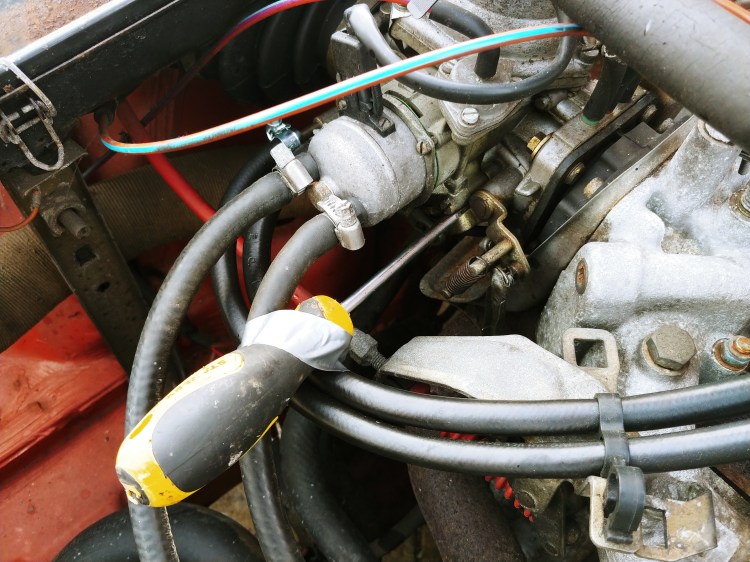
Firstly, once the engine got to temperature it began to struggle and eventually stalled. This was remedied with a carefully placed screwdriver wedged into the throttle linkage. This may not be a suitable long term solution!

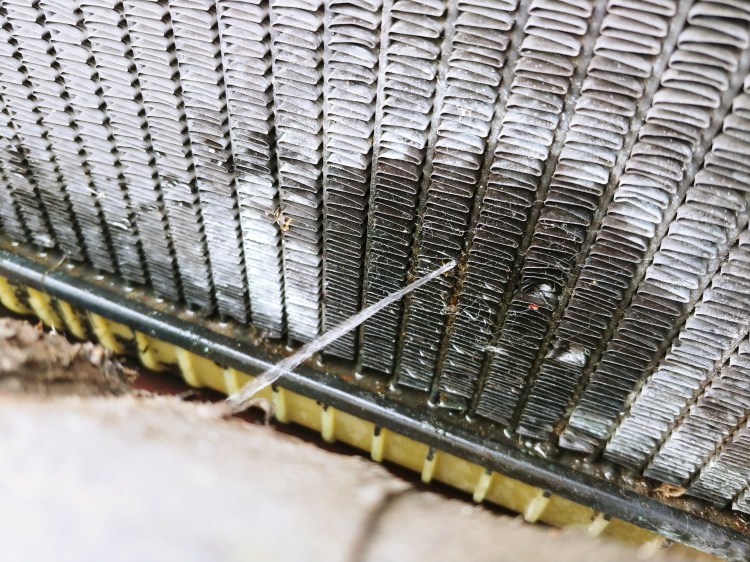
And secondly there was this.

Bugger.

So it looks like a new radiator is in order, and I need to investigate the idling issue. But otherwise I would say this has been some good progress!

If you want to see more progress updates, don’t forget to subscribe!


It’s alive!

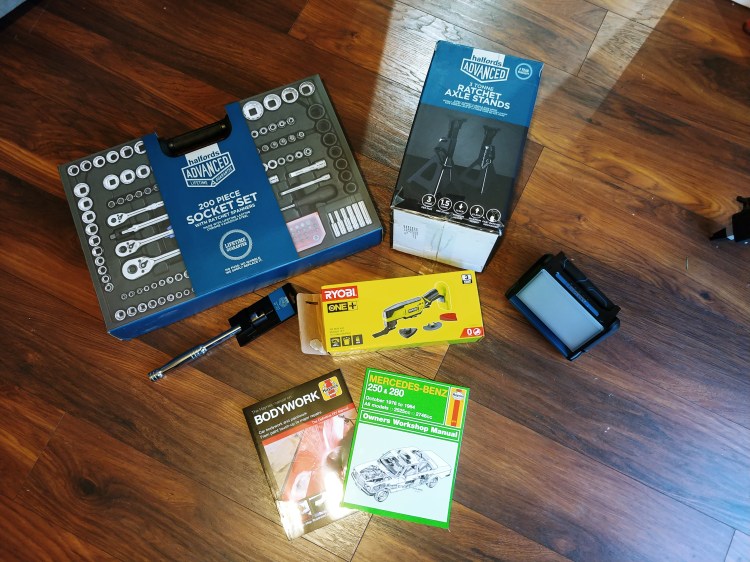
I must definitely have been on the nice list this year because Santa has been very good to me! Being one of those “I have no idea what is going on” kind of days between Christmas and New Year it was an ideal time for a bit of tinkering.

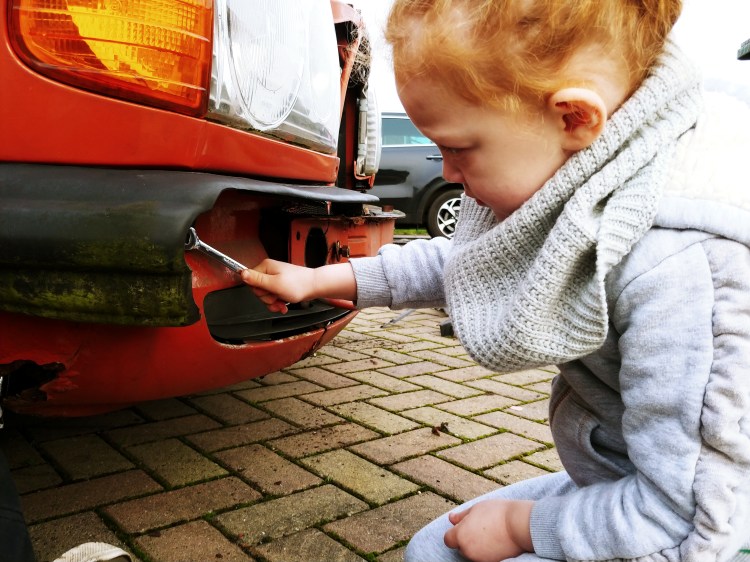
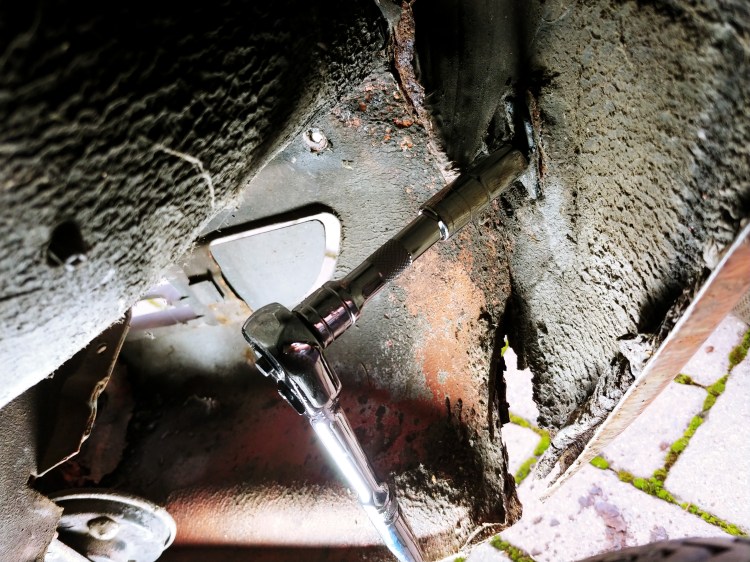
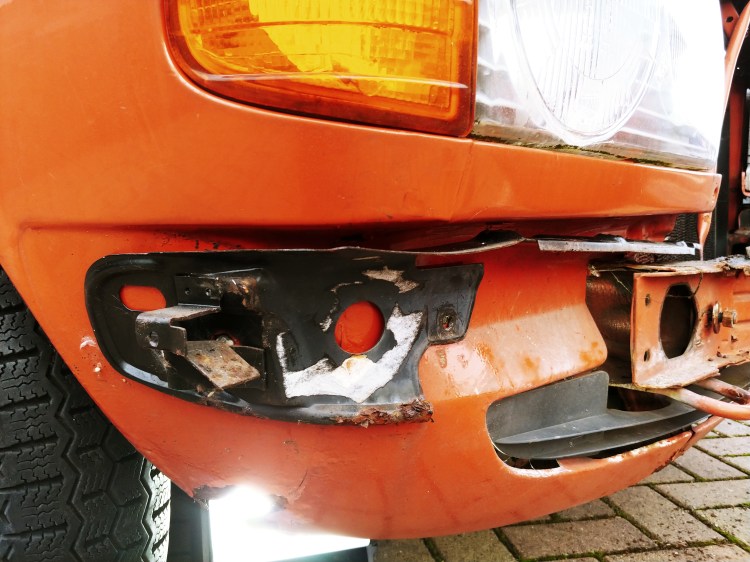
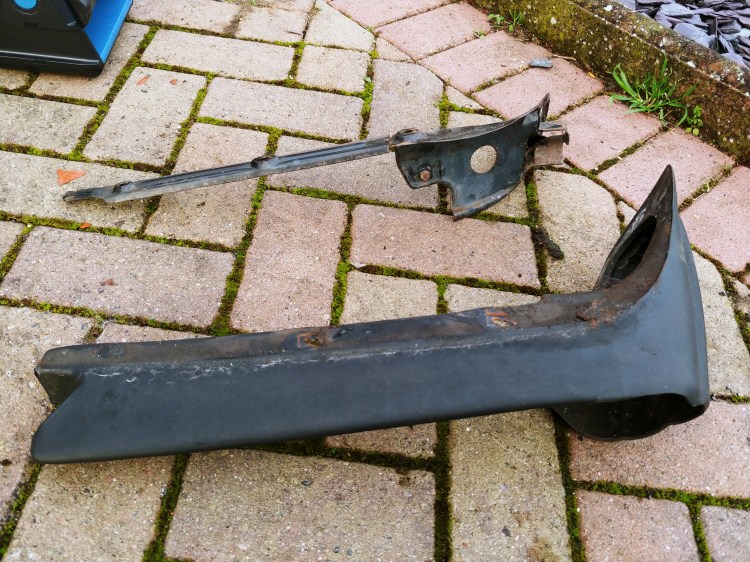
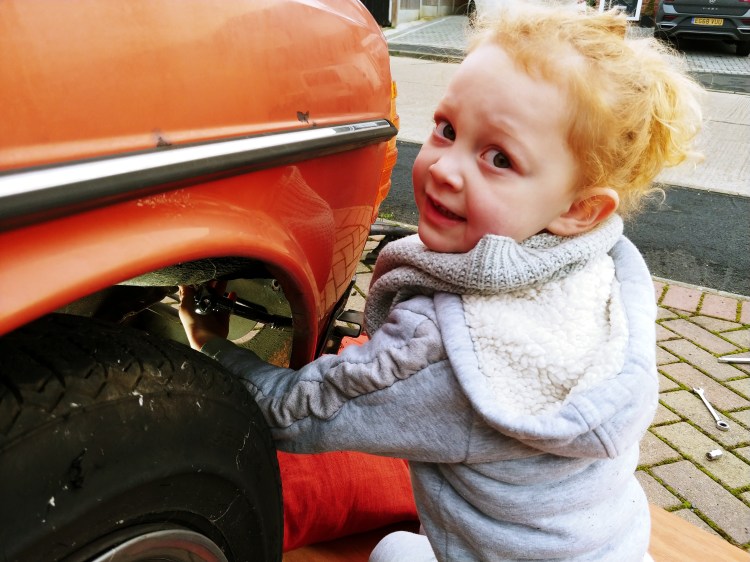
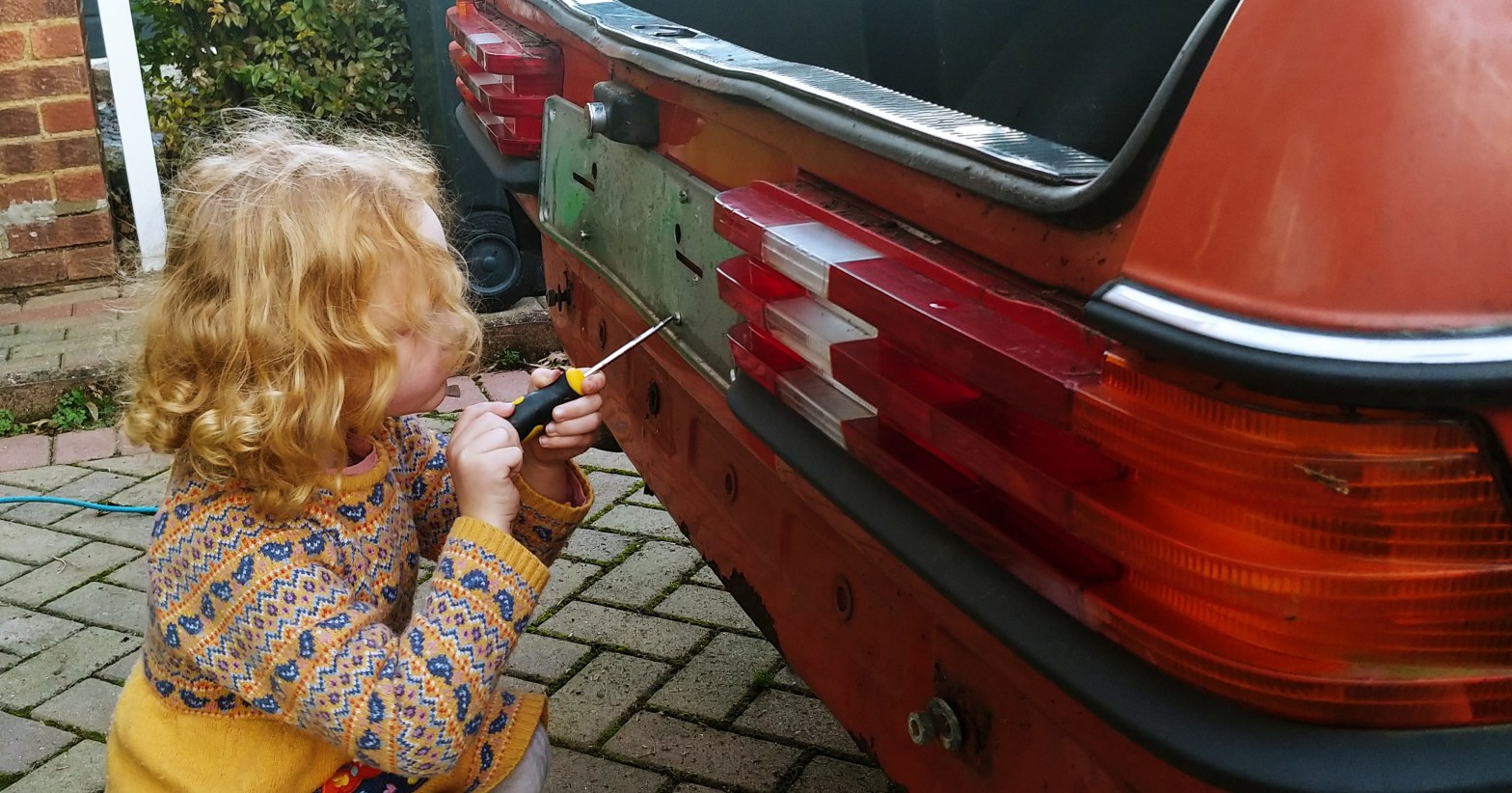
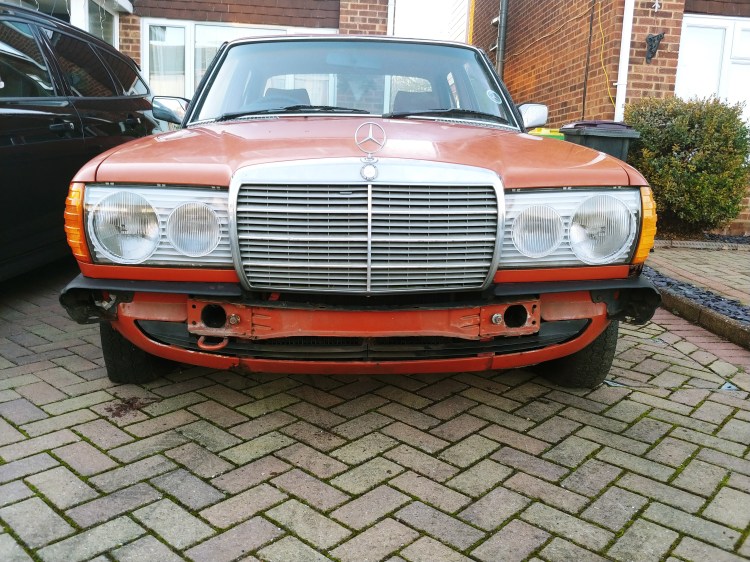
Spud wanted to help, or at least play with the shiny new tools, so we set about removing the front and rear bumper brackets.

By this point spud was starting to get a bit cold and went back indoors, meaning I could start getting on with the job I really had in mind, checking the condition of the fuel tank, fuel pump and fuel lines and draining out the old fuel.
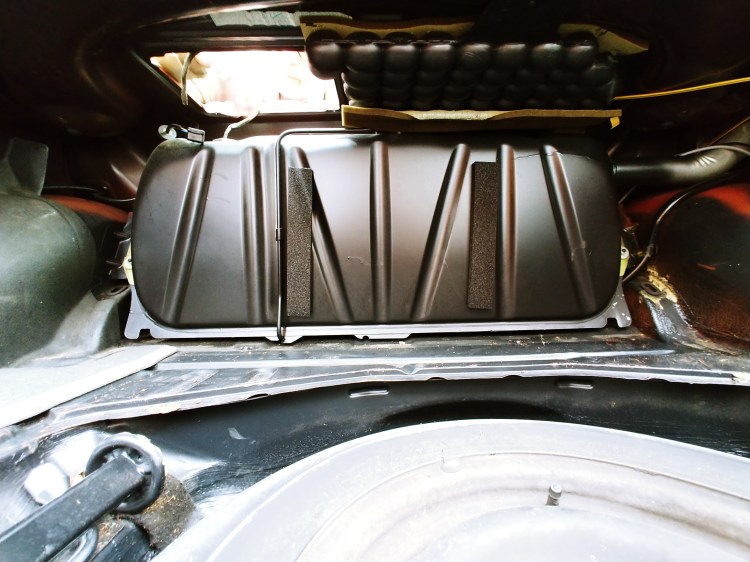
At this point my dad came to visit, keen to get his hand dirty, so we jacked up the rear of the car and removed the fuel tank cover panel.

I had intended to remove the tank to check for damage, rust or any sediment, but all was in such good condition I decided that I would be wasting my time, so I just drained the remaining old petrol and moved to the engine bay to check out the fuel pump and flexible fuel lines.

The old braided lines had turned brittle and needed replacing so a quick trip to my local motor factors and I had a replacement length.

We made much better progress than expected and we began to think about trying to fire the engine up, but first I needed to find a battery. Borrowing the battery out of my dads car should do the trick, and also ensure that he doesn’t try to run away should things not go to plan.
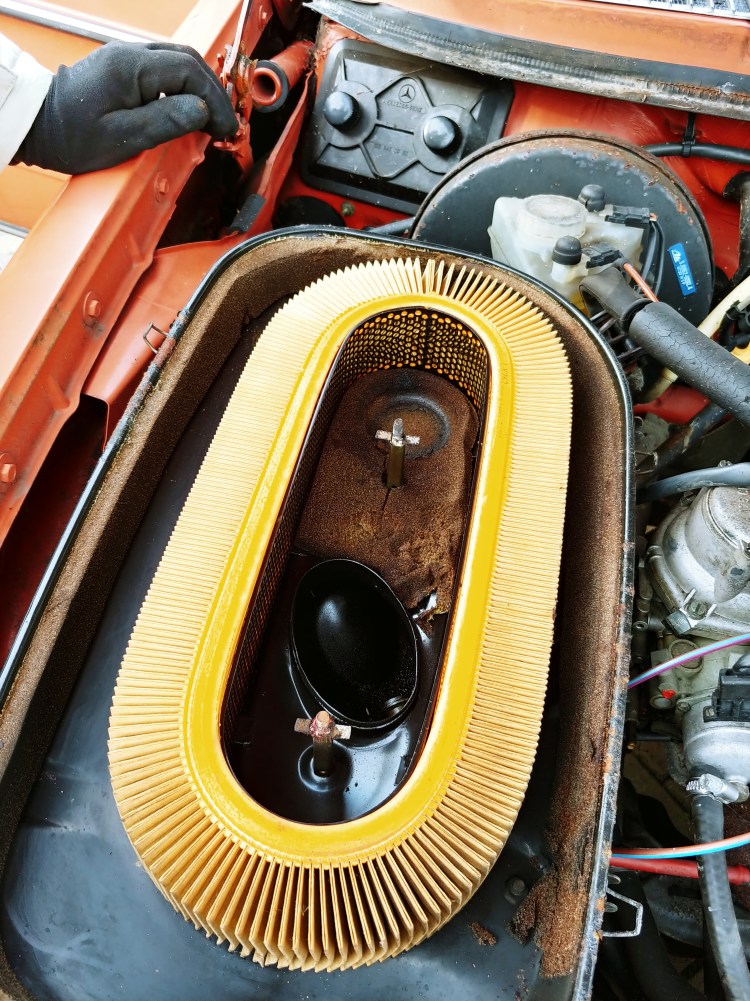
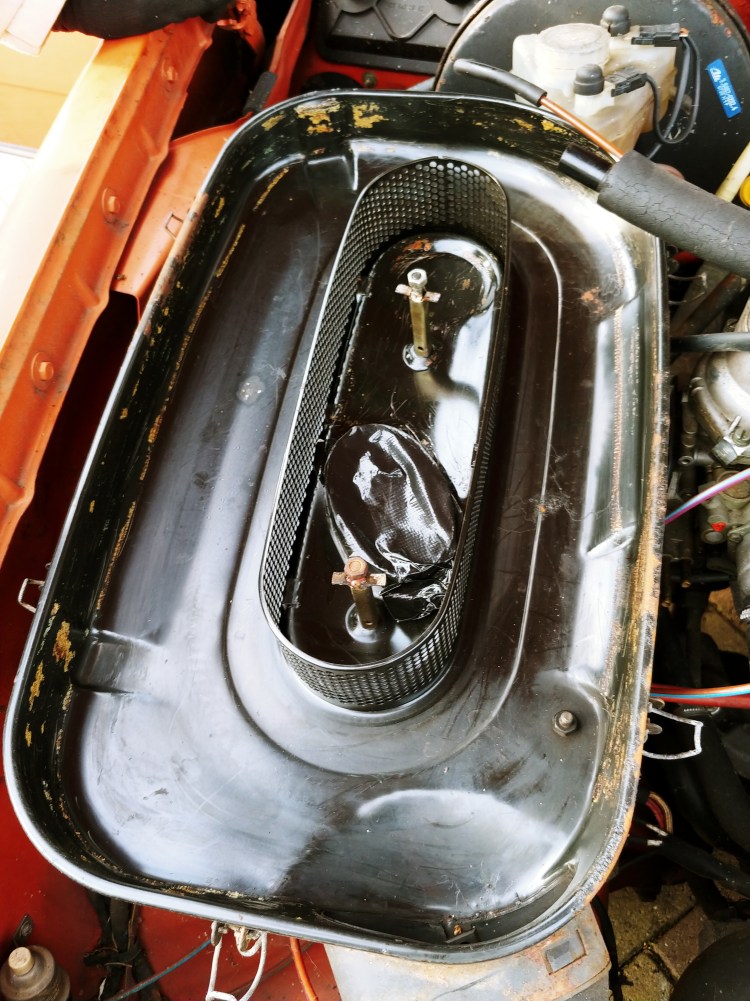
With the temporary battery connected we opened up the air box to check the condition of the filter and to make sure there was no debris that could get sucked into the engine. Good job we checked as there was a lot of foam that had deteriated and become crumbly.

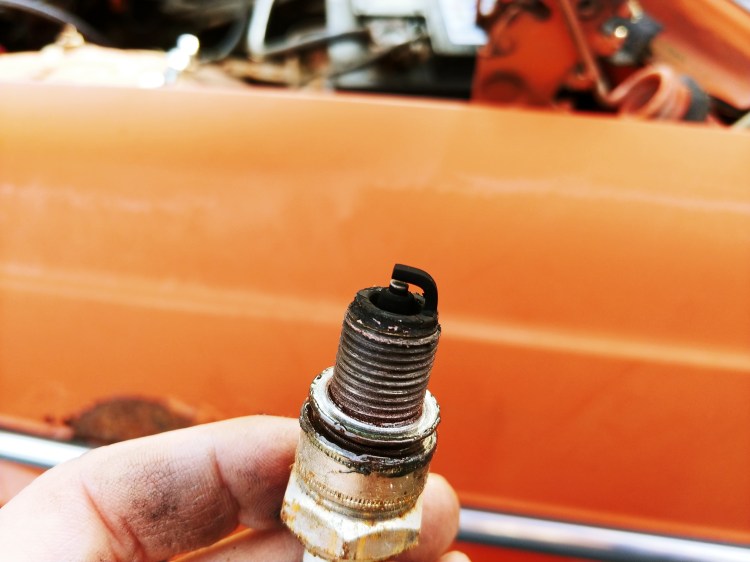
On the first attempt of starting the engine it turned over and fuel was pumping, but no joy. I removed the plugs and they were rather dirty so gave them a clean with a wire brush. A quick test showed that they were sparking so back in they went ready for another go.

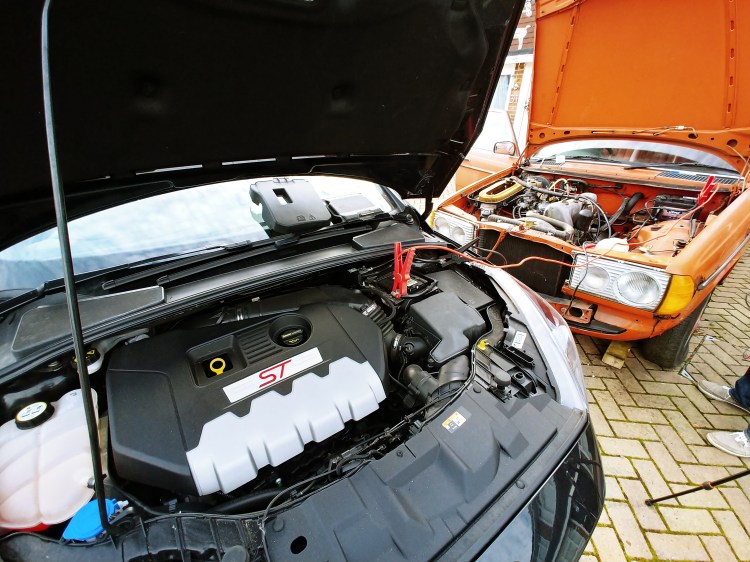
There were the first sounds of an engine wanting to run, but still no luck. By this point the borrowed battery was starting to falter so we brought in my daily driver to jump start. The additional voltage from an already running car had to help too. And with one turn of a key she fired up!

And then there was smoke!

So it may not have run for very long, but I wan’t expecting to even be attempting to get the engine started yet so I am happy even just to get a glimpse of life.
As for the cause of the smoke, it appears that the water pump is seized up and the belt was rubbing on the static pulley.

I was wondering what the next job should be, I think I found it!

If you want to see more progress updates, don’t forget to subscribe!
A few interesting adornments

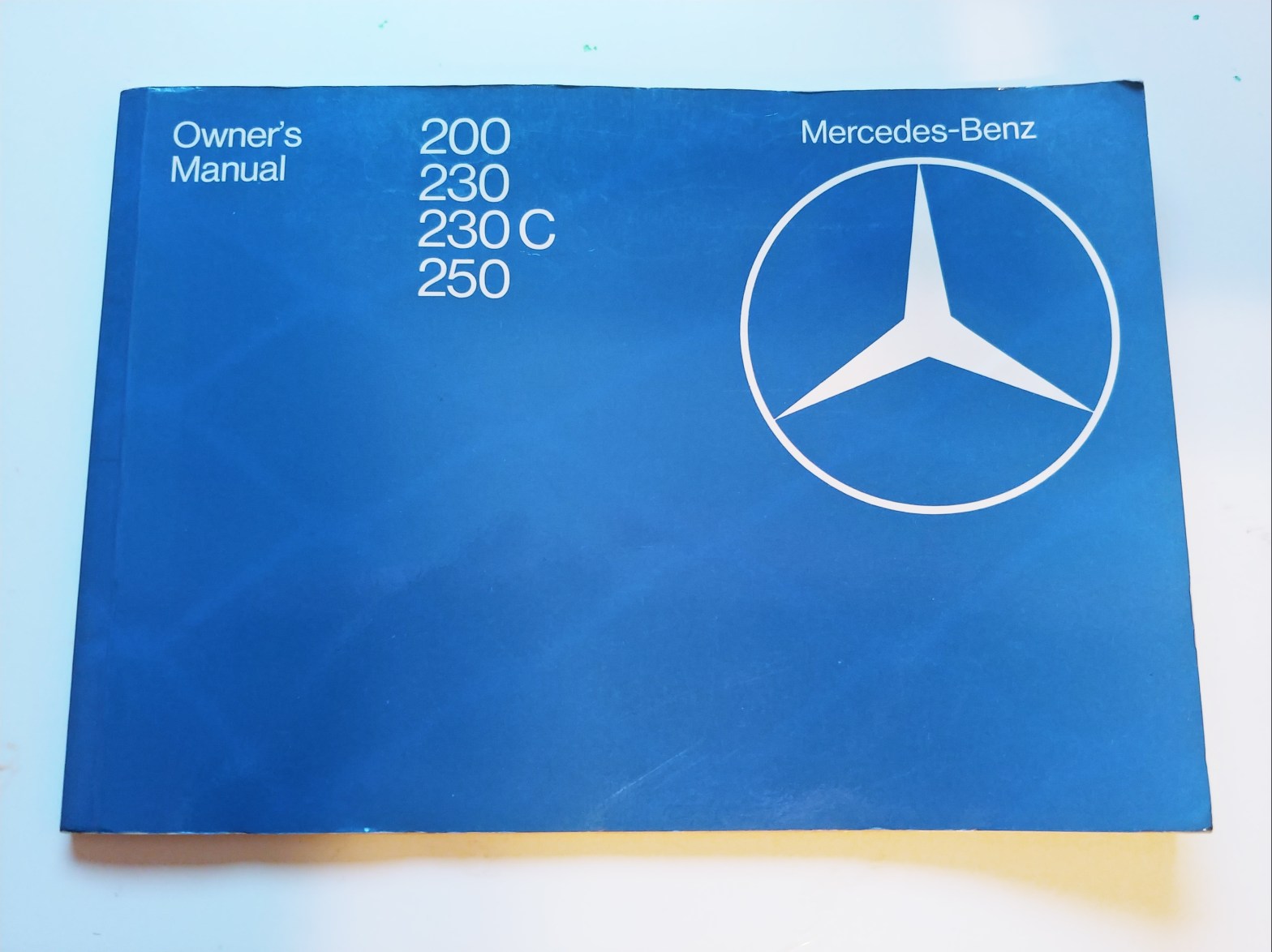
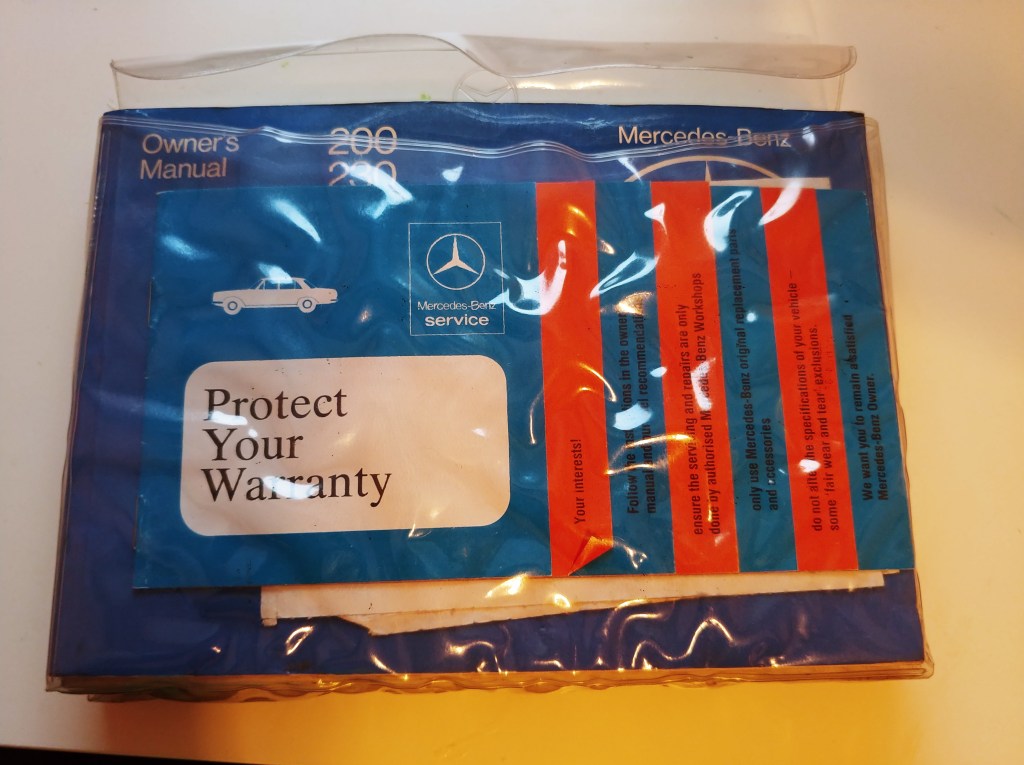
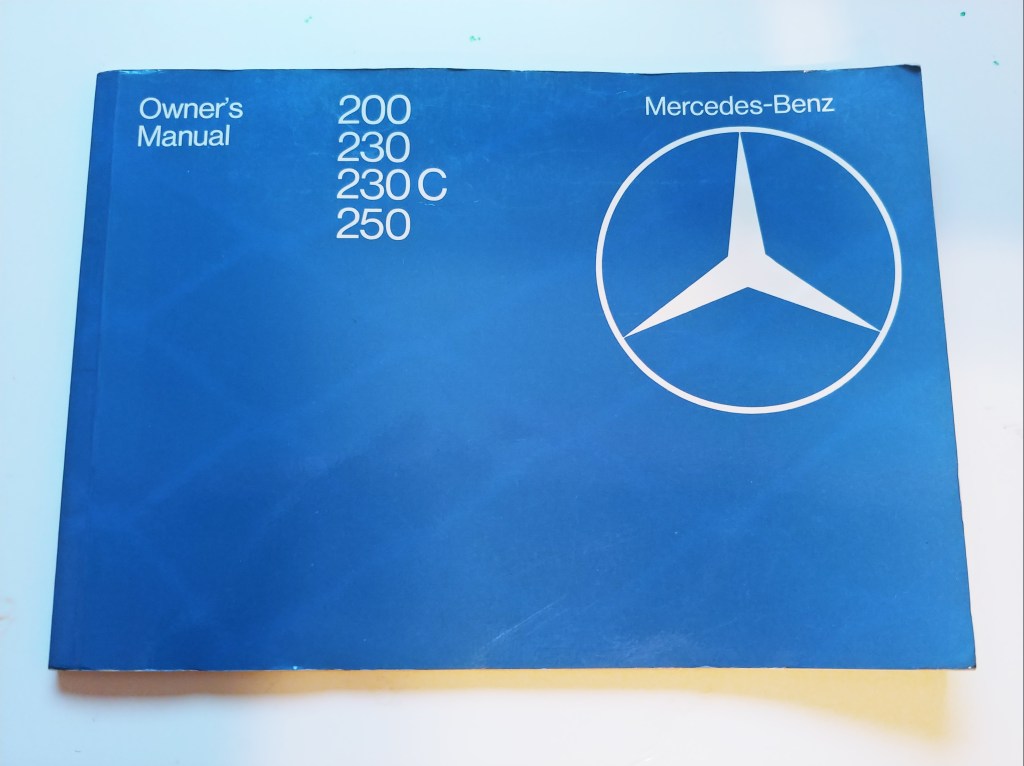
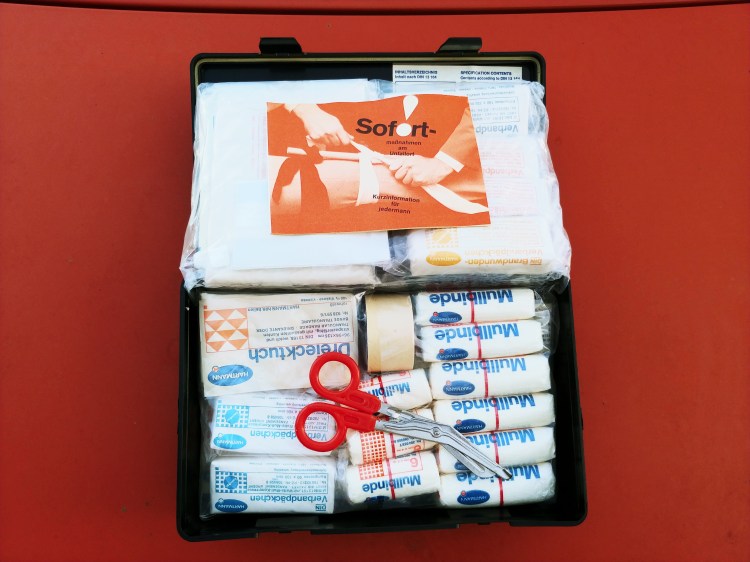
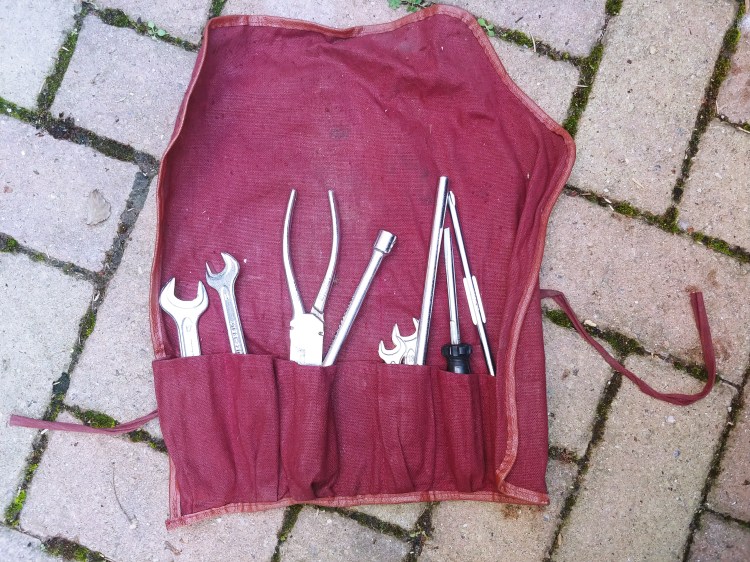
During my last poke around the car (aka Pass the Jenolite!), I came across a few original accessories, namely the original owners manual and service record, the original first aid kit and the tool kit. Sure they may be of little use now, but I was surprised to see everything intact in a 40 year old car and it’s nice to have a few original bits like this to help tell the story of the cars history.

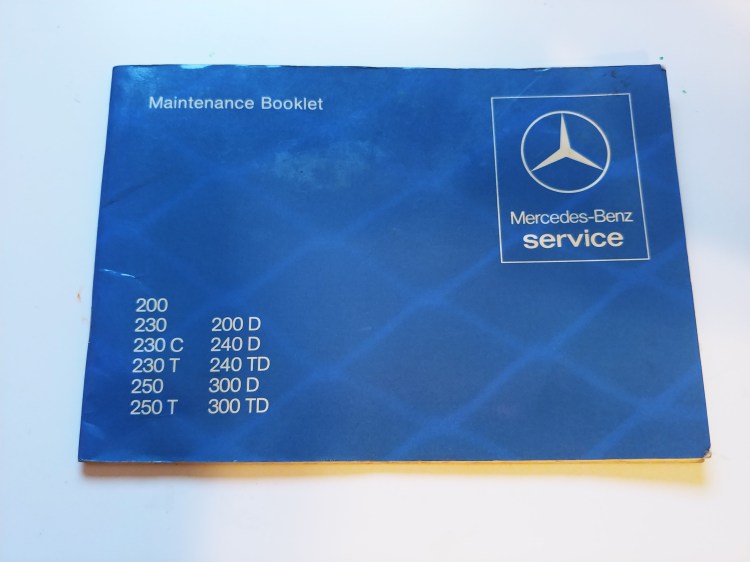
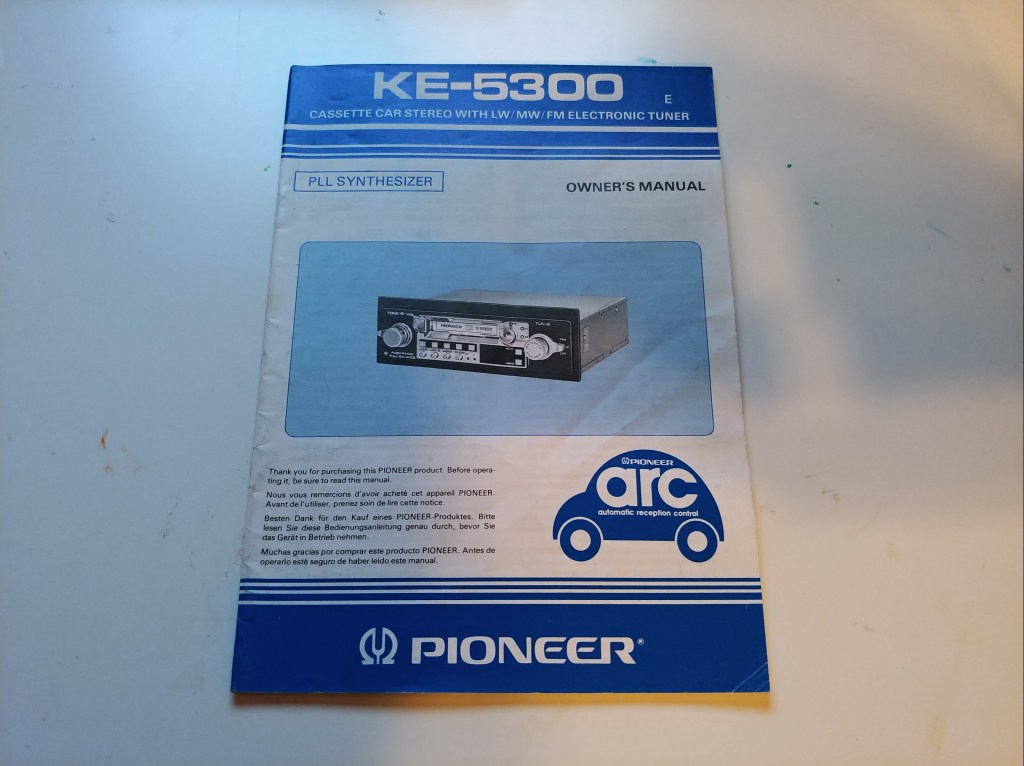
First up I found the owners manual, along with maintenance booklet and other documentation in the glove box. Included in this lot is also a manual for the tape deck, which like it may have been original fitment, I had thought that the original unit should have been a Becker.

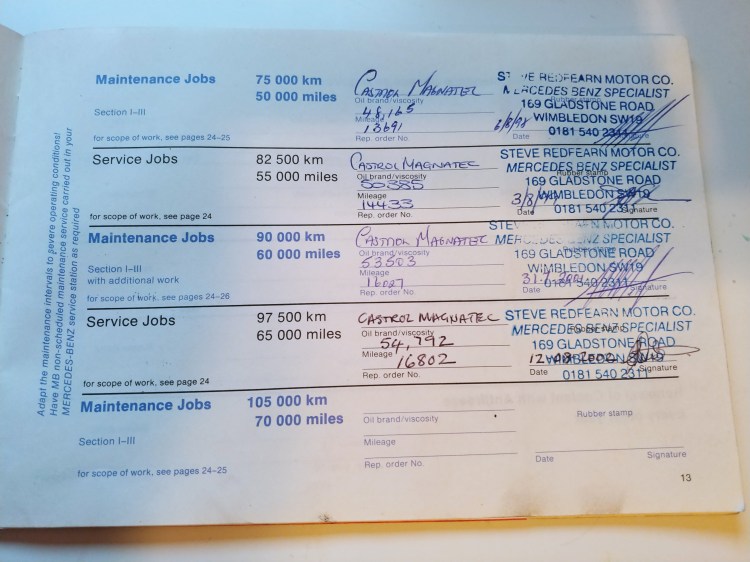
The service manual makes for some interesting reading. Fully stamped by a Mercedes specialist garage for every year since it’s production in 1980 up to 2002. You can see in 2002 the recorded mileage is 54,792 miles, the car has only done another ~1000 miles since then and looking at the average mileage covered each year it is likely the car has been sitting for around 16 years.

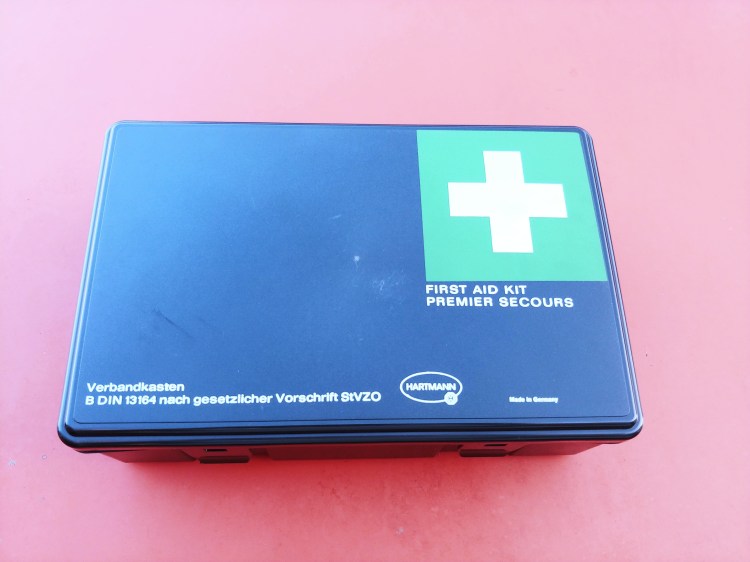
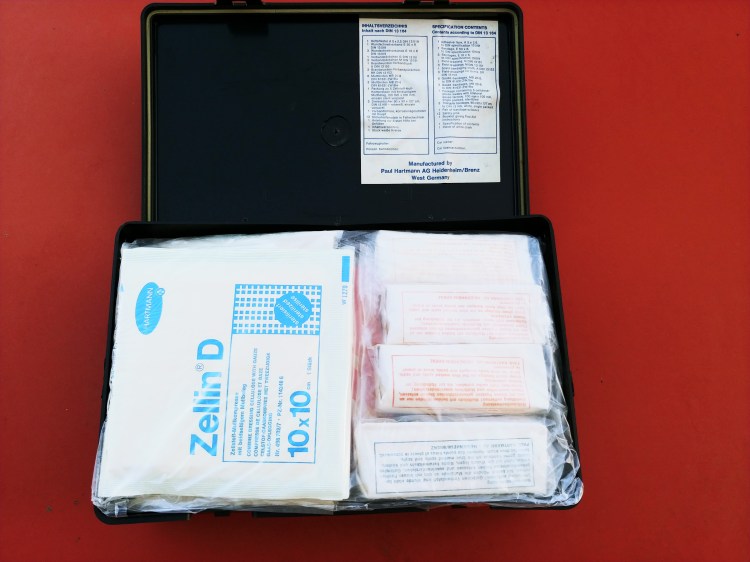
Next up is the original first aid kit, complete with all the original intact and in it’s packaging. Not of any use now, I expect the contents are a little way past their expiry dates! But still, a nice thing to have.

And finally, in the boot along with the spare wheel and jack was the original tool kit in a roll bag. It gives an idea of how much more capable the average car owner was back then, these days you are lucky if a new car comes with a can of tire weld, a 12v compressor and a phone number for a recovery service!

All quite insignificant in the grand scheme of things I guess, but they put a smile on my face none the less.

If you want to see more progress updates, don’t forget to subscribe!
Pass the Jenolite!

(Other rust treatment products are available…..)

Today I spent a bit of time poking around the car in more depth than I had up until now, looking for as many areas of rust as I can find to try and get an idea of how much work there is to do.

First job was to whip off the bumpers to see what was lurking behind, lucky for me, spud is a willing apprentice.

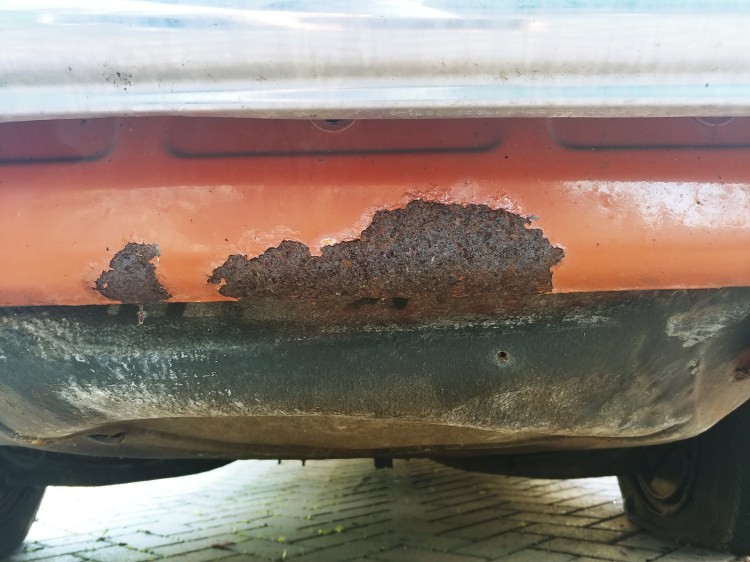
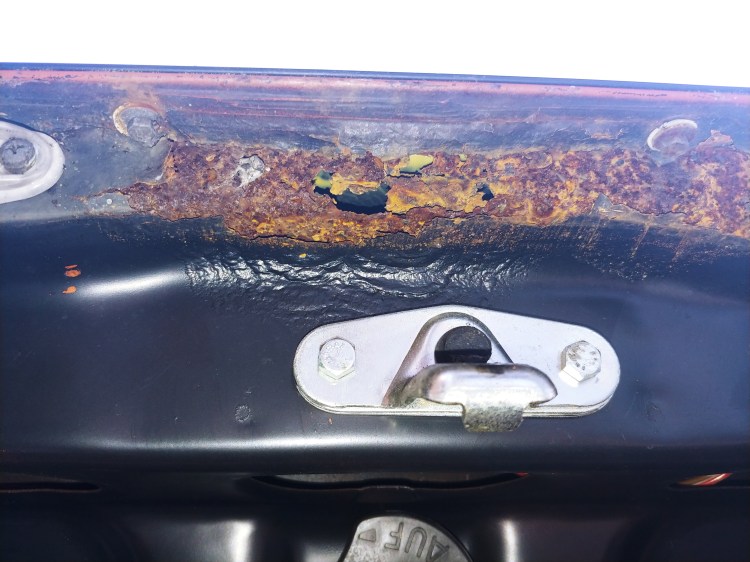
There is a bit more rust around than I had originally thought, some superficial which can be easily treated and repaired, but other areas where the rot is well set in and will need cutting out and new steel welded back in. If anyone has any recommendation of suppliers of good quality patch panels, preferably in the UK /EU I would really appreciate it if you could let me know in the comments!

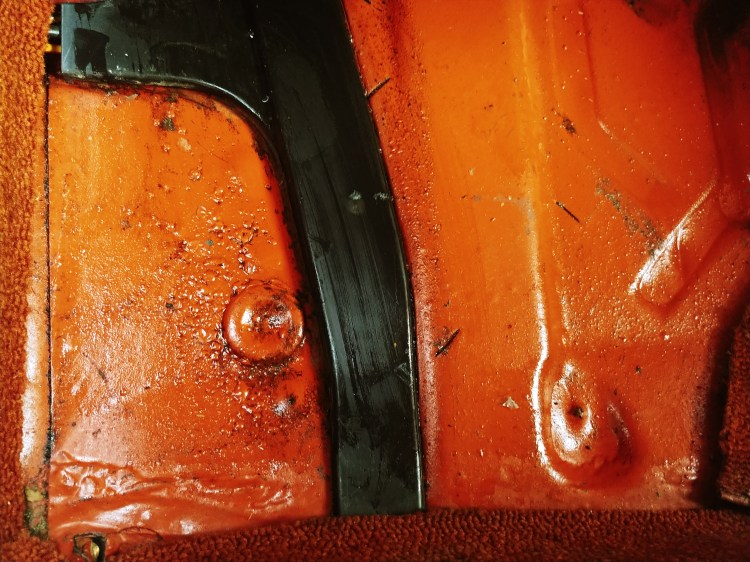
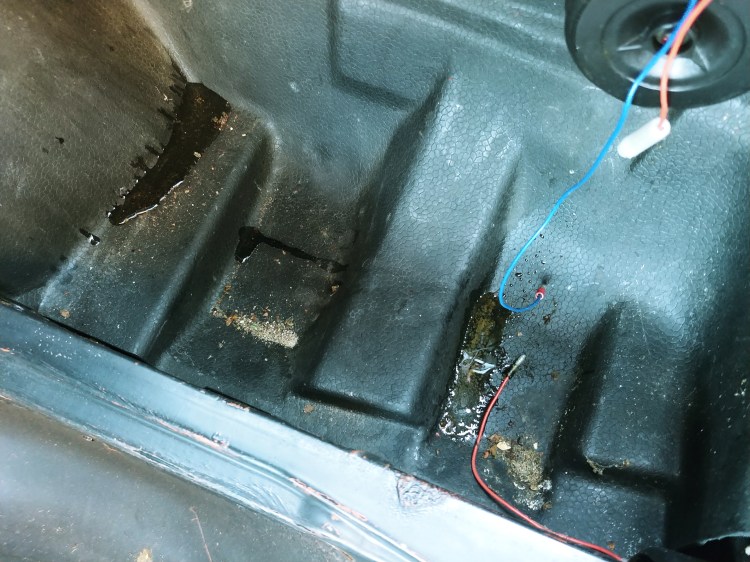
I did also find some water inside the car. Some puddling on the floor pan and bubbling paint, passenger rear side. I suspect this has been going for a little while.
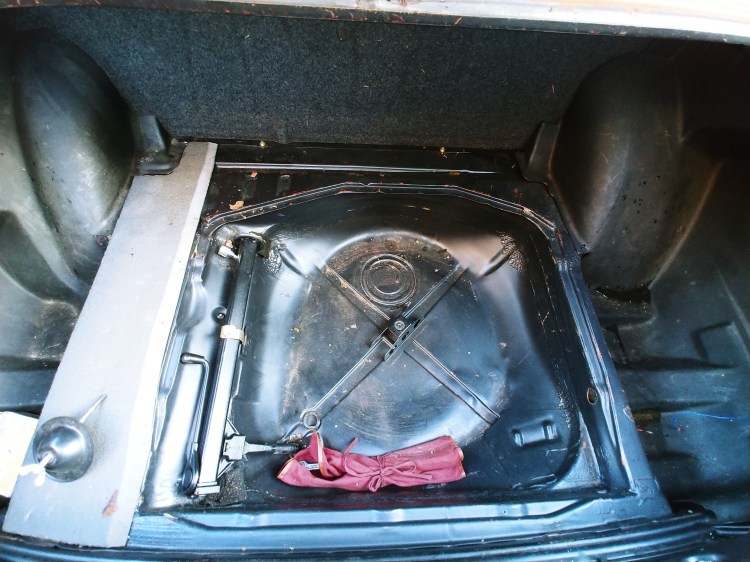
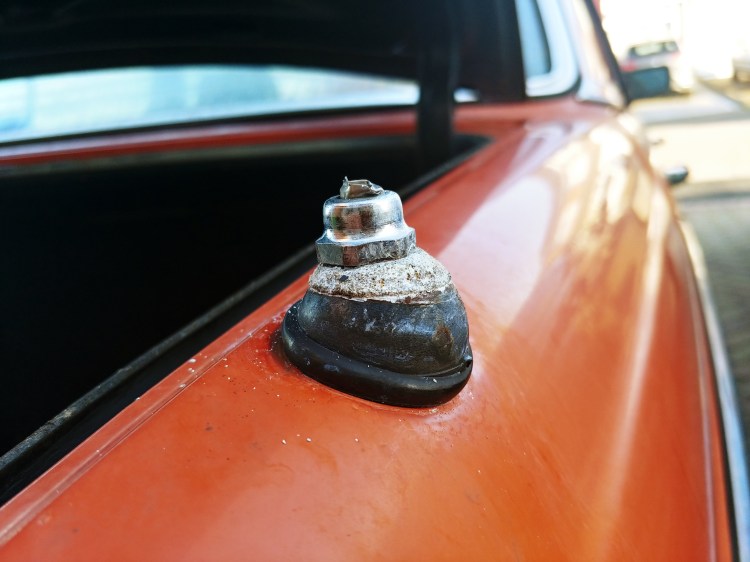
And also some within the boot, but other than a little water the inside of the boot is in really god condition. I think this water got in during the pressure wash I gave it last week through the loose fitting aerial.

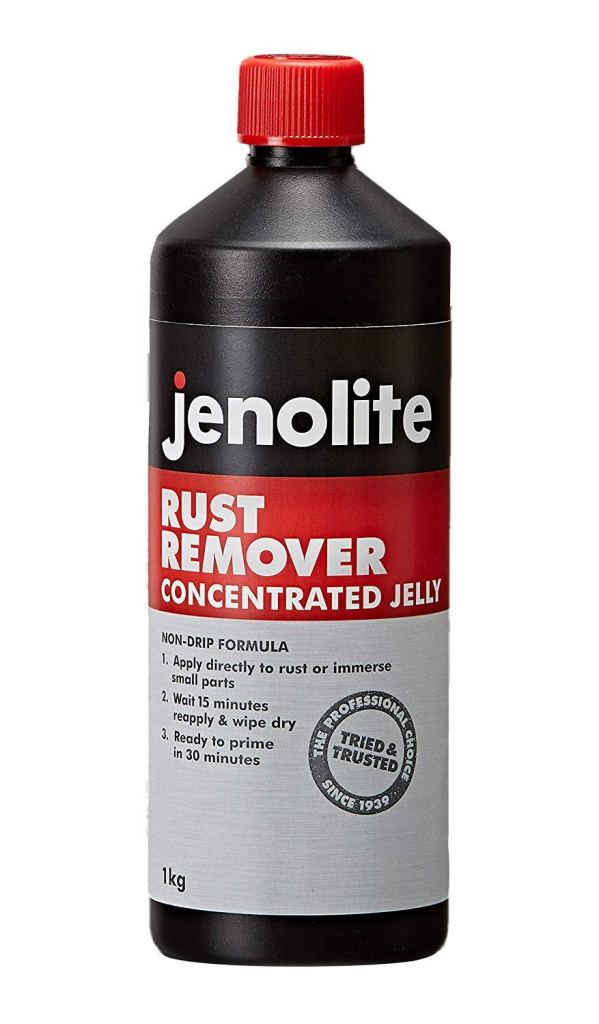
I can see me getting through a fair bit of this in the coming months!

If you want to see more progress updates, don’t forget to subscribe!
Scrub-a-dub-dub

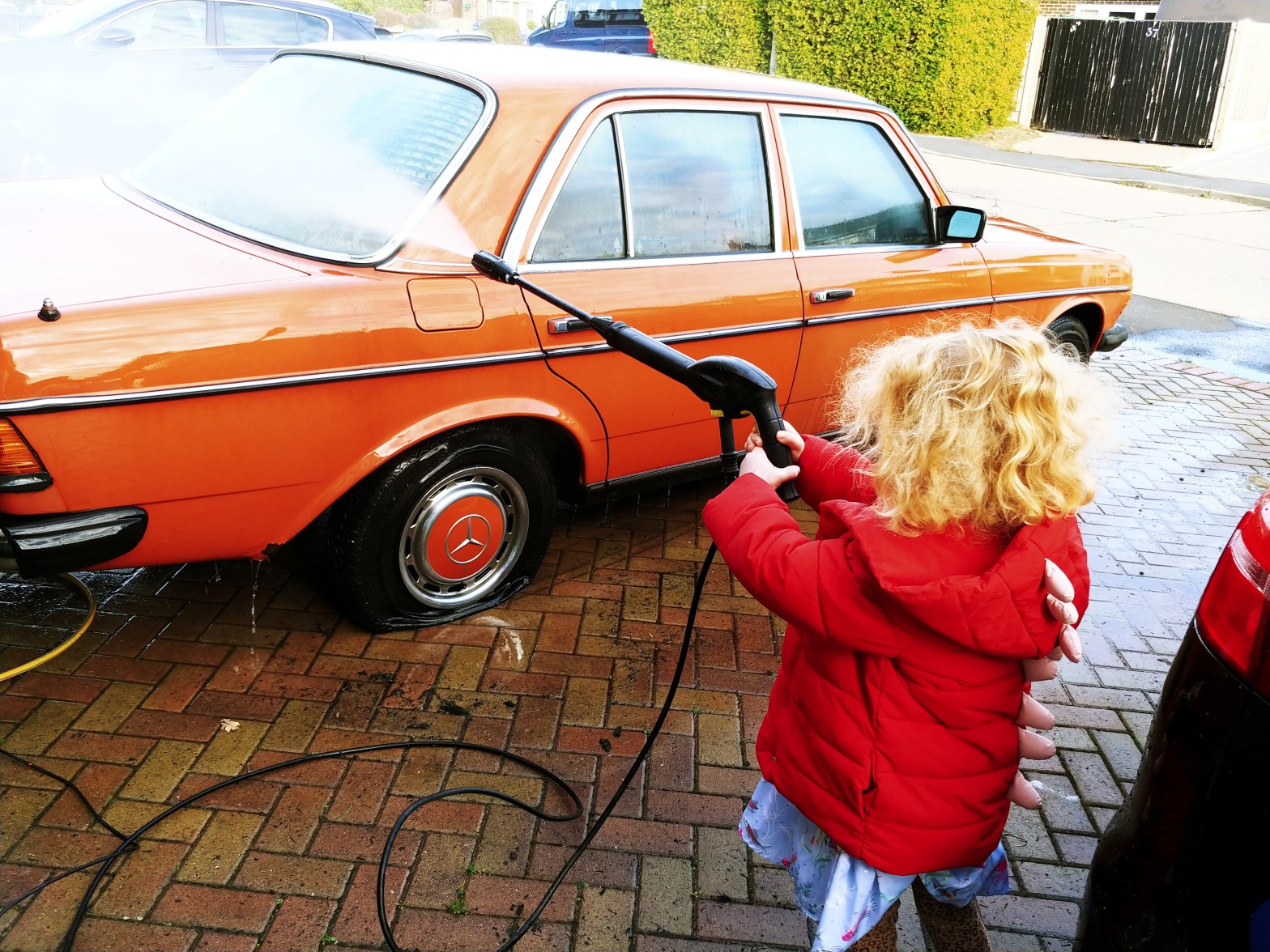
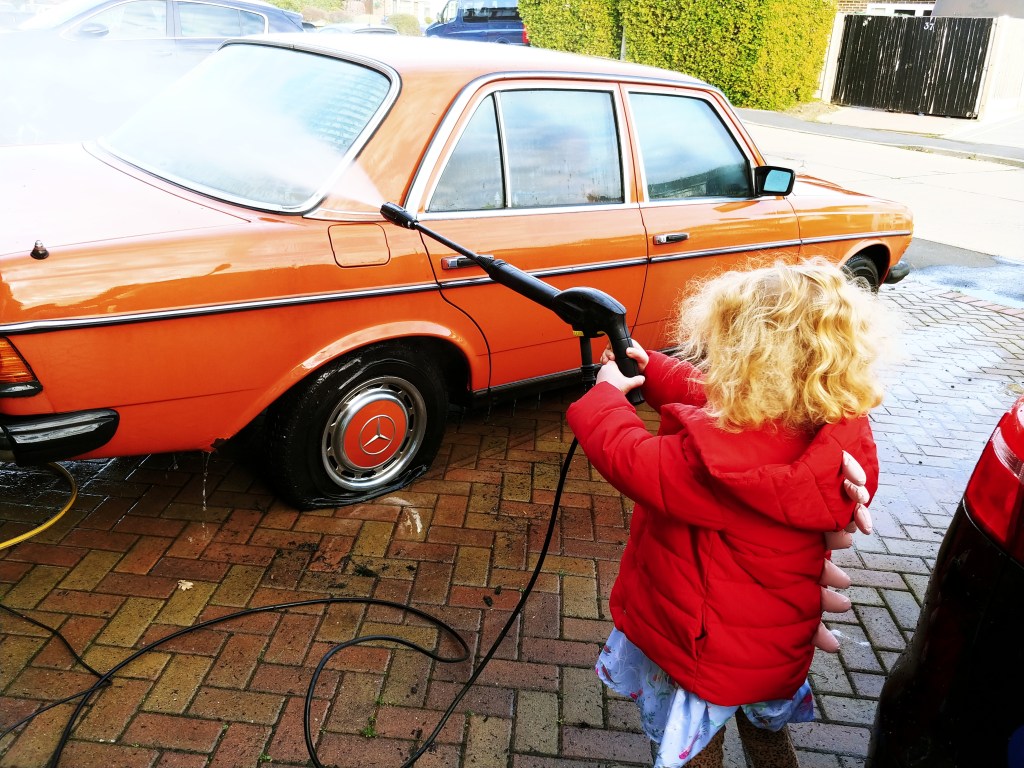
So the car has been sitting on my drive for a week now and this weekend to force a bit of initial progress I decided to give it a quick wash down with the pressure washer, mainly to try and get the moss out of any crevices that would hold water and lead to further rusting. I say I cleaned it, I roped in my daughter to do the hard work.

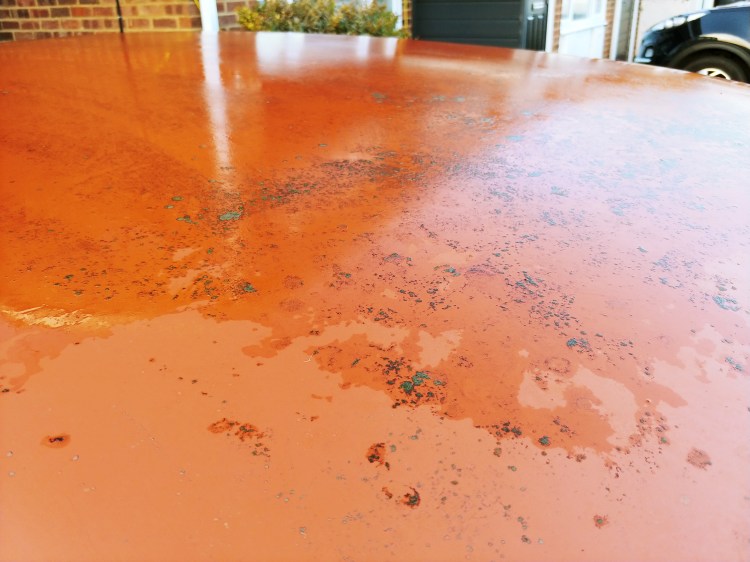
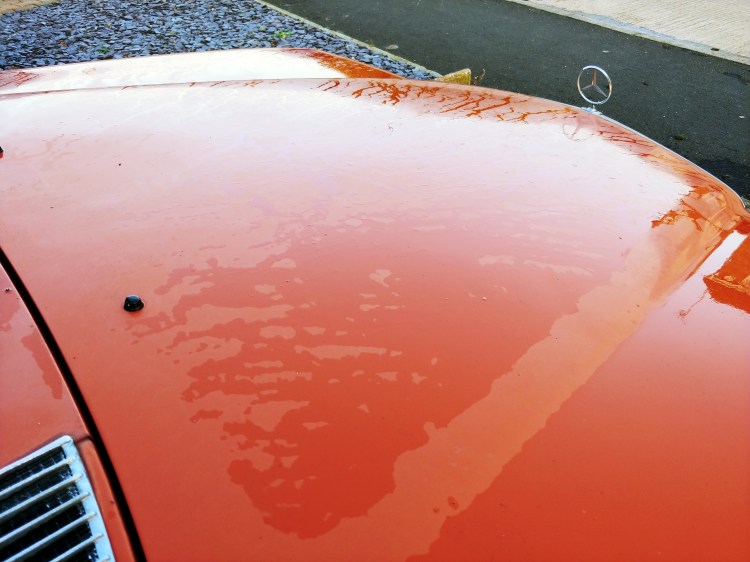
What I had assumed was rust spots all over the bonnet, roof and left side on closer inspection turned out to be lichen and other than a few stubborn spots comes off with the pressure washer. The photos below show a spot on the roof which I still need to finish and the bonnet which has been jet washed.

It actually came up pretty well, the paint is heavily oxidised but I am hopeful that it will polish up OK. I might give a spot a go just out of curiosity, other than that any more work on the bodywork will be limited to dealing with rust spots until after the mechanics have been addressed. But it would be good result if the car can be made to look respectable with some local touch ups making a full respray much less of a pressing issue.

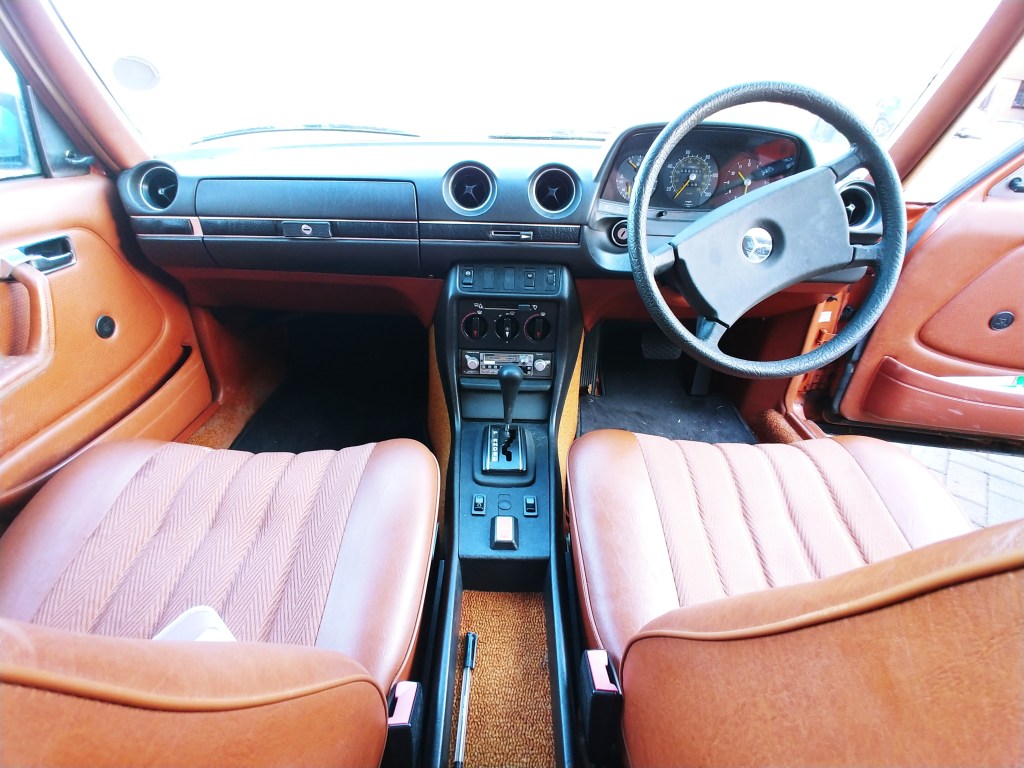
And a couple of shots of the interior, I don’t think that this is going to need much more than a wipe over with a damp cloth!

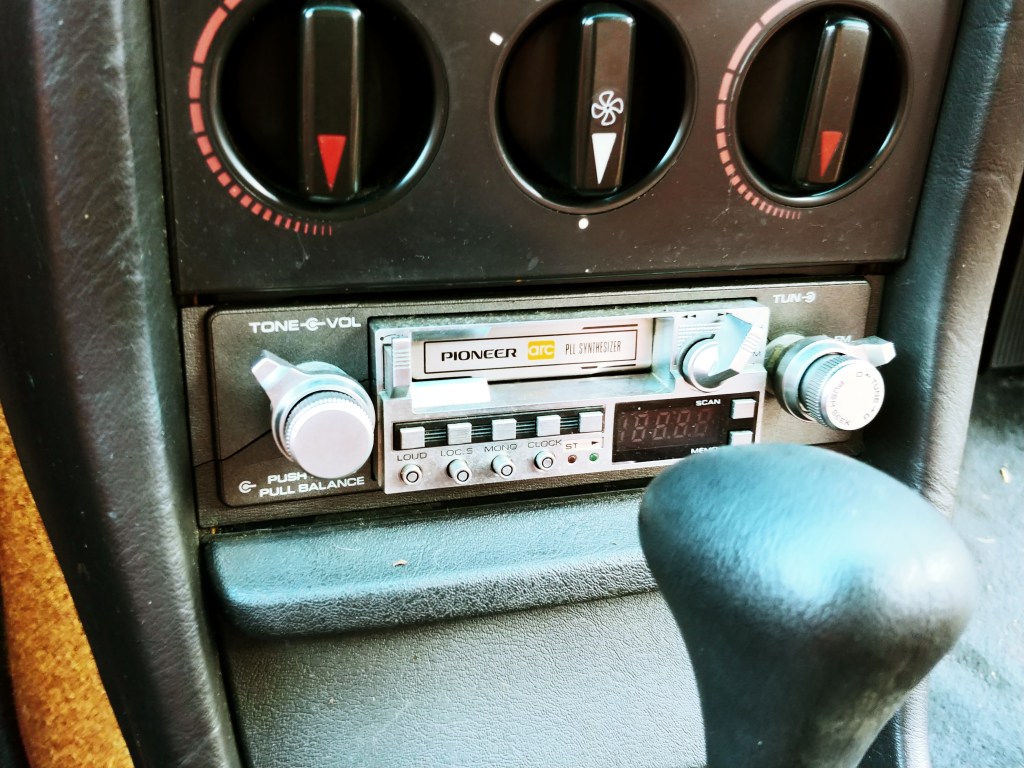
At some point someone has changed over the stereo. I believe this unit is a Pioneer KE-5000 which was actually released in 1979, so is at least of the correct era.

If you want to see more progress updates, don’t forget to subscribe!
Design a site like this with WordPress.com
Get started